


























































ABU DHABI: The United Arab Emirates said its decision to withdraw from OPEC was not targeted at any specific nation, according to a senior minister on Monday.

Sultan Ahmed Al Jaber, who also heads the state-owned Abu Dhabi National Oil Company, said the move was driven by the country’s focus on national priorities and economic goals.
The decision, which came into effect on Friday, followed months of tensions with Saudi Arabia—OPEC’s leading producer—over issues including oil output, foreign policy, and the broader regional conflict. Relations between the two Gulf states have deteriorated since a public disagreement in December, particularly over Yemen.
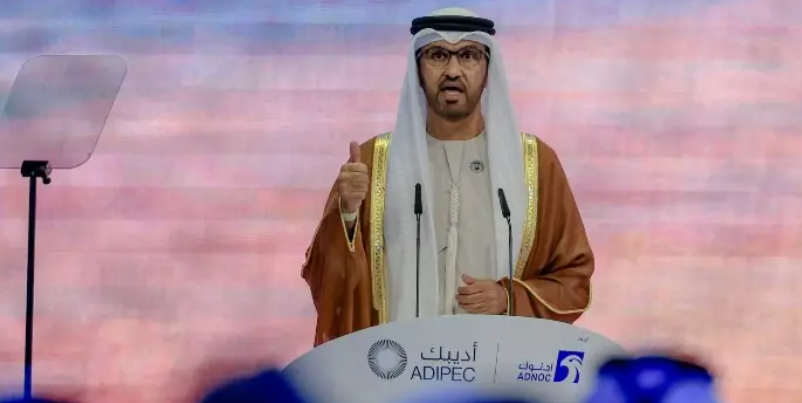
“The UAE’s sovereign decision to reposition itself within the global energy landscape, and to exit Opec and Opec+, is not a decision directed against anyone,” Jaber said at a conference in Abu Dhabi.
As OPEC’s fourth-largest oil producer, the UAE’s departure is seen as a setback for the group’s influence over global oil prices. It has also added strain to ties with Saudi Arabia, with whom the UAE has had ongoing disagreements over production quotas.
Jaber said leaving the cartel “serves our national interests and long-term strategic objectives, aligns with our industrial, economic, and developmental ambitions, and gives us greater ability to accelerate investment, expand, and create value”.
He added that the move is part of a broader strategy to transform the country’s economy by linking energy, technology, and industry to strengthen long-term resilience.
The UAE has long expressed frustration with OPEC limits that capped its production at 3.4 million barrels per day, as it aims to boost capacity to five million barrels per day by 2027.
Meanwhile, Abu Dhabi National Oil Company has pledged $55 billion in investments over the next two years, with increased oil revenues expected to support expansion into artificial intelligence and other advanced sectors.
“There is a great difference between those who focus only on surviving crises … and those who seize them as opportunities … and turn them into new beginnings,” Jaber said.