























































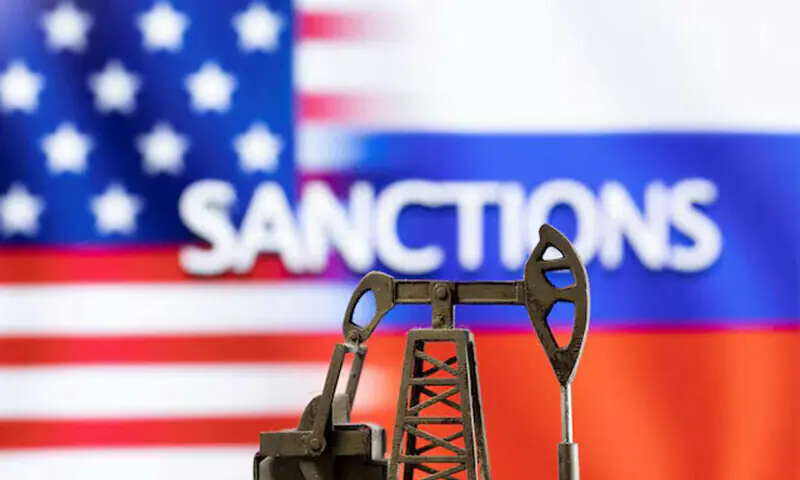
Reuters: The administration of Donald Trump has renewed a waiver allowing countries to continue purchasing sanctioned Russian oil for about one month, following pressure from nations struggling with rising energy prices amid the ongoing Iran war.

The US Treasury Department said the waiver permits the purchase of Russian oil and petroleum products loaded onto vessels through May 16. It replaces a previous 30-day waiver that expired on April 11 and does not apply to transactions involving Iran, Cuba, or North Korea. The decision is part of Washington’s efforts to stabilise global energy markets, which have been severely disrupted by the conflict involving Iran. Several Asian countries, heavily affected by the surge in oil prices, had urged the US to allow alternative supplies into the market.
A Treasury spokesperson said the move aims to ensure sufficient oil supply as negotiations with Iran continue. Just days earlier, Treasury Secretary Scott Bessent had indicated that the US would not extend waivers for Russian or Iranian oil. However, shifting market conditions and diplomatic pressure prompted a reversal.
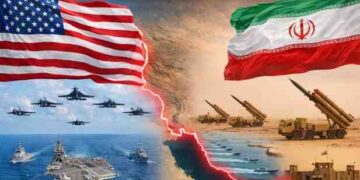
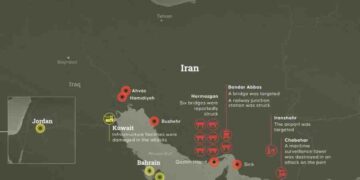
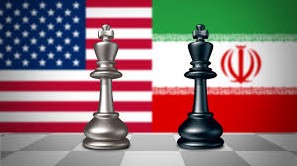
Oil prices dropped nearly 9% to around $90 per barrel after Iran briefly reopened the Strait of Hormuz, a critical global shipping route. Still, the broader conflict has caused one of the most severe disruptions to global energy supply in history, according to the International Energy Agency. The war, now in its eighth week, has damaged more than 80 oil and gas facilities across the Middle East. Iran has warned it may close the strait again if US naval blockades continue.
Rising oil prices are also creating political pressure in the US ahead of midterm elections. Washington’s decision follows discussions with international partners during recent G20, World Bank, and IMF meetings, including talks with Indian Prime Minister Narendra Modi, whose country is a major buyer of Russian oil. Earlier waivers on Iranian oil had allowed roughly 140 million barrels to reach global markets, easing supply concerns.
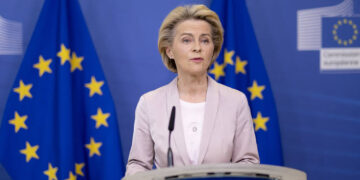
However, the policy has drawn criticism from US lawmakers across party lines, who argue that such waivers could benefit both Iran and Russia economically during ongoing conflicts. European leaders have also opposed the move. European Commission President Ursula von der Leyen has stated that easing sanctions on Russia is inappropriate while the Ukraine war continues.
A Russian official, linked to Vladimir Putin, said the extension could impact an additional 100 million barrels of Russian oil exports, bringing the total affected volume to 200 million barrels. He noted the decision faces significant political opposition. Experts say further waivers are likely, as the global energy market continues to face instability with limited options available to stabilise supply and prices.