

















































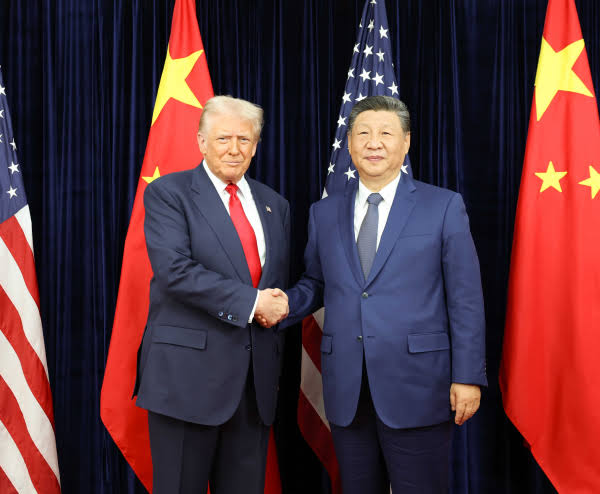
BEIJING/HONG KONG: China is accelerating efforts to end the Iran war while carefully managing its approach ahead of a planned summit next month between President Xi Jinping and U.S. President Donald Trump.

The upcoming mid-May meeting is shaping Beijing’s strategy as it balances ties with Iran and its broader geopolitical and economic interests. As the world’s largest crude oil importer, China relies heavily on Middle Eastern energy supplies and is keen to ensure stability in the region.
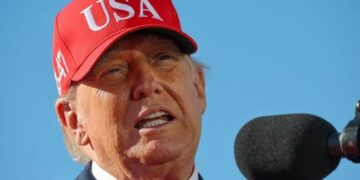
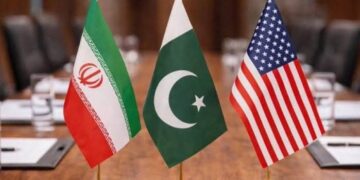
China’s measured diplomacy has helped maintain back-channel influence. Trump recently credited Beijing for encouraging Iran to participate in peace talks held in Pakistan.
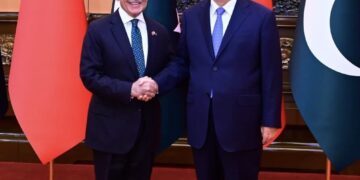
Xi this week outlined a four-point peace proposal, emphasizing peaceful coexistence, respect for sovereignty, adherence to international law, and balancing development with security.
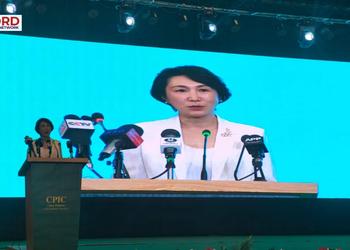
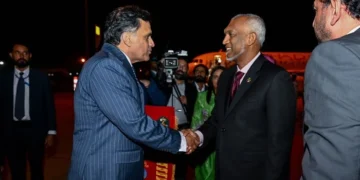
Meanwhile, Foreign Minister Wang Yi has held nearly 30 calls and meetings with counterparts to push for a ceasefire, while special envoy Zhai Jun has visited several Gulf and Arab capitals as part of ongoing diplomatic outreach. Despite rising tensions, China has avoided directly criticizing U.S. actions, instead urging all sides to play a constructive role in de-escalation.
Analysts say Beijing is pursuing a cautious strategy to ensure the Trump-Xi summit proceeds smoothly. China is expected to focus on stabilizing ties with Washington, with discussions likely centered on trade and economic cooperation rather than broader geopolitical disputes.
Possible outcomes of the summit could include major commercial agreements, such as aircraft purchases and increased agricultural imports. However, experts believe the meeting will remain narrowly focused, with little chance of a comprehensive agreement on more contentious issues.
While China has played a role in facilitating dialogue, its influence remains limited due to the lack of a military presence in the Middle East. Observers note that Beijing appears reluctant to take on a more direct role, preferring instead to maintain flexible relations while the United States continues to lead pressure efforts in the region.
Overall, China’s diplomacy reflects a balancing act—seeking to promote stability in the Iran conflict while protecting its strategic interests and maintaining workable relations with both Tehran and Washington.