



























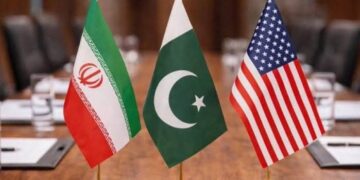




















ISLAMABAD: Pakistan has cautioned against speculation surrounding the schedule of the next round of talks between the United States and Iran, stressing that no official date has been announced.

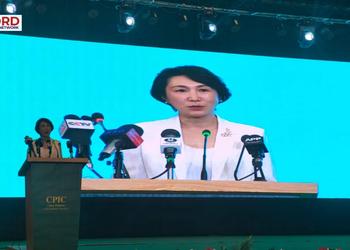
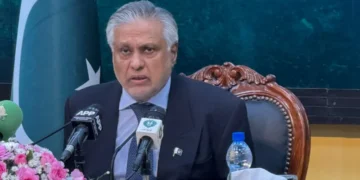
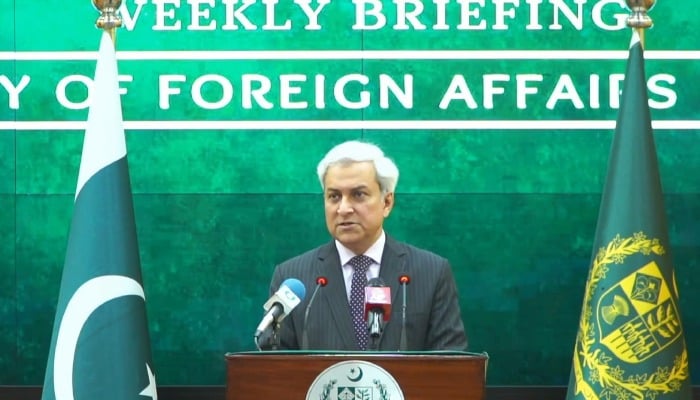
Speaking at a weekly briefing, Foreign Office spokesperson Tahir Hussain Andarabi emphasized the importance of confidentiality in diplomatic engagements, stating that sharing sensitive details could undermine trust. He noted that while specifics about delegations remain undisclosed, the key takeaway is that dialogue between both sides is ongoing.
The remarks come amid reports suggesting that US and Iranian officials may return to Islamabad for another round of negotiations following the first high-level talks in decades, which concluded without a formal agreement. The initial round, held in Islamabad, lasted nearly 21 hours and addressed critical issues including the Strait of Hormuz, Iran’s nuclear programme, and international sanctions.
Andarabi described the talks as “serious and constructive,” adding that they resulted in neither a breakthrough nor a breakdown. He highlighted that the prolonged engagement reflects the commitment of both sides to continue dialogue despite complex challenges.
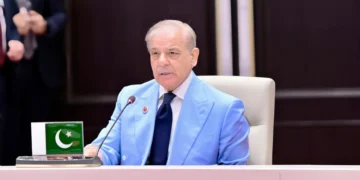
Pakistan, acting as a mediator, is actively coordinating with Washington and Tehran to facilitate further discussions. Officials say diplomatic channels remain open, with ongoing efforts to determine the timing of the next round of talks. Prime Minister Shehbaz Sharif has also reiterated Pakistan’s commitment to bridging differences between the two countries, noting that the process of engagement is continuous and evolving.
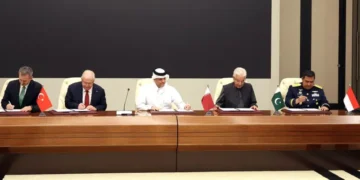
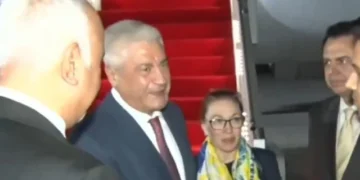
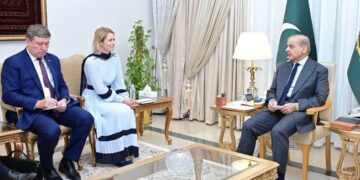
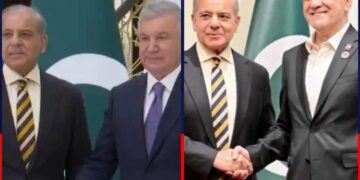
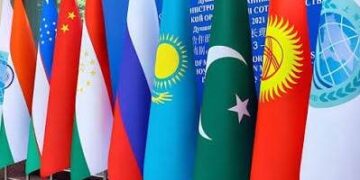
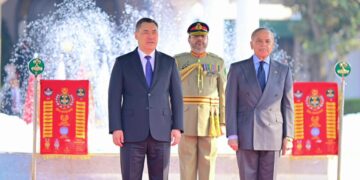
The Foreign Office further underlined Pakistan’s broader diplomatic outreach, including coordination with global partners and participation in regional platforms such as the Shanghai Cooperation Organisation. The country has also engaged key regional players, hosting officials from Saudi Arabia, Turkiye, and Egypt.
Addressing regional tensions, Andarabi condemned Israeli attacks in Lebanon and called for an immediate ceasefire. He noted that the situation in Lebanon is being viewed within the wider framework of ongoing peace efforts, adding that recent signs of de-escalation are encouraging.
Pakistan maintains that reducing tensions in Lebanon could contribute to a more favorable environment for broader regional negotiations, as efforts continue to stabilize the Middle East.