






























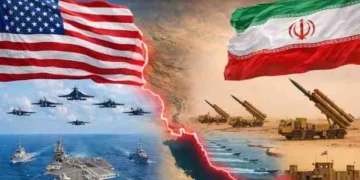







































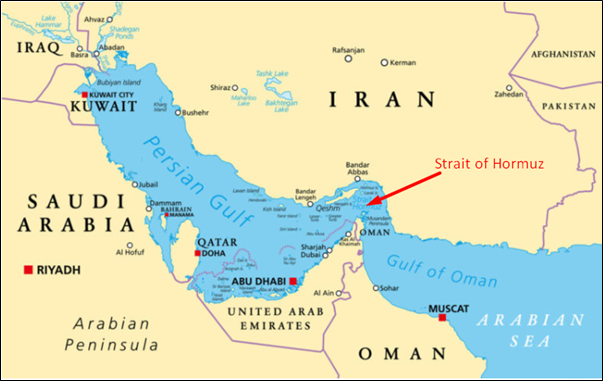
DUBAI (MNN); Global oil prices climbed sharply on Monday as the widening conflict involving Iran disrupted tanker traffic through the Strait of Hormuz, underlining the strategic importance of the narrow maritime passage to the world’s energy supply.

Roughly one-fifth of global oil shipments pass through the Strait of Hormuz, a 33-kilometer-wide waterway at its narrowest point that links the Persian Gulf with the Gulf of Oman. Tankers transporting crude oil and liquefied natural gas from Saudi Arabia, Kuwait, Iraq, Qatar, Bahrain, the United Arab Emirates and Iran rely on the strait, with the bulk of exports heading to Asian markets, particularly China.
Energy analysts warned that any prolonged disruption could send prices soaring. Hakan Kaya, senior portfolio manager at Neuberger Berman, said a short slowdown of one to two weeks could be absorbed by the market. However, a near-total closure lasting a month or more could push crude prices from around $70 per barrel into triple digits and drive European natural gas prices back toward crisis levels seen in 2022.
Although the strait remains officially open, tanker traffic has declined significantly due to reported electronic interference and satellite navigation disruptions, according to maritime monitoring agencies. The UK Maritime Trade Operations Centre confirmed attacks on vessels operating near both sides of the strait and warned of increased risks to shipping.
Oman reported that a bomb-laden drone boat struck a Marshall Islands-flagged oil tanker in the Gulf of Oman, resulting in the death of one crew member. Iran is believed to have launched multiple threats and attacks targeting vessels approaching the waterway.
The Strait of Hormuz has long been a vital trade route. Historically, it facilitated the movement of silk, ceramics and textiles between Asia and the Middle East. In modern times, it has become a critical artery for global energy exports. While alternative pipelines exist in Saudi Arabia and the UAE, the U.S. Energy Information Administration has noted that most oil volumes transiting the strait lack viable alternative export routes.
Iran temporarily restricted sections of the strait in mid-February for military exercises, prompting a six percent jump in oil prices at the time. Though tensions have periodically flared — including during the 1980s Iran-Iraq war when naval mines and tanker attacks disrupted shipping — a sustained or complete closure has not occurred in decades.
The current escalation has revived fears of significant disruption to global energy markets, as the conflict continues to intensify across the region.