












































































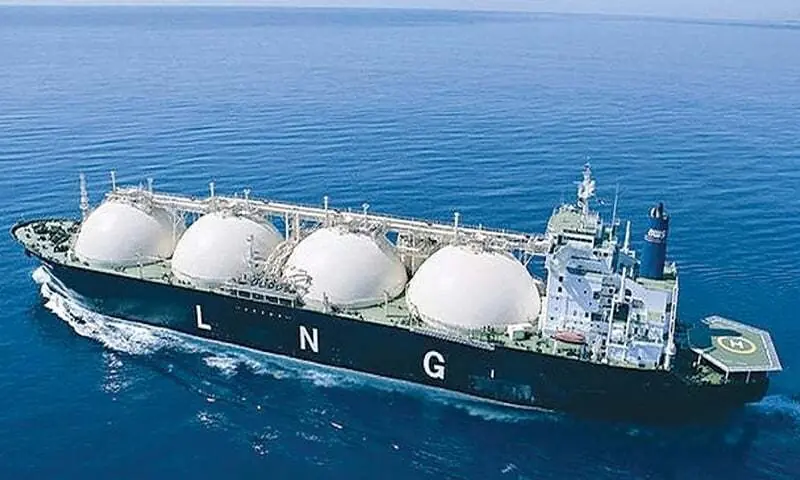
ISLAMABAD: Facing a widening electricity shortfall and rising summer temperatures, Pakistan has issued an urgent tender to import three spot liquefied natural gas (LNG) cargoes—its first such move in over two years..

State-run Pakistan LNG Limited (PLL) invited bids on Thursday for three LNG shipments, each with a capacity of 140,000 cubic metres, to be delivered between April 27 and May 8. The deadline for bid submission is April 24, reflecting the urgency as power demand outpaces supply by more than 4,500 megawatts, triggering up to seven hours of load-shedding in parts of the country.
The move comes after disruptions in global LNG supply chains, particularly due to the closure of the Strait of Hormuz, which halted shipments and forced several Pakistan-bound cargoes to turn back over security concerns. Pakistan’s long-term supplier QatarEnergy had earlier declared force majeure on LNG deliveries following regional tensions and attacks on energy infrastructure, significantly reducing supply volumes.
Each LNG cargo typically contributes around 100 million cubic feet per day (mmcfd) to the national grid. However, imports declined sharply last month, with only two cargoes received compared to eight in previous months. This drop pushed the price of regasified LNG (RLNG) up by 19–22 per cent, reaching $12.50–$14 per million British thermal units, according to the Oil and Gas Regulatory Authority. The Power Division has warned that without adequate RLNG supply, Pakistan may be forced to rely on expensive alternatives like high-speed diesel (HSD) and furnace oil, significantly increasing electricity generation costs.
Officials estimate that HSD-based power generation could now exceed Rs80 per unit, compared to LNG-based generation, which is substantially cheaper.
The government is seeking around 400 mmcfd of LNG to stabilise electricity supply, especially as demand is expected to surge beyond 28,000MW during peak summer months. LNG-fired power plants, particularly in Punjab, with a combined capacity of about 6,000MW, remain critical for maintaining grid stability and meeting demand. Despite criticism over inefficiency and inactivity in recent years, PLL has now re-entered the spot market, with officials hoping that even one or two cargoes could help ease the crisis and avoid prolonged outages.
Authorities have also emphasised that insufficient LNG supply would not only disrupt power generation but also increase the financial burden on consumers through higher fuel cost adjustments. With temperatures climbing and energy demand surging, the timely procurement of LNG cargoes is seen as essential to prevent a deeper power crisis in the weeks ahead.