








































WASHINGTON, D.C.; European leaders are pushing a peace framework that links territorial concessions by Ukraine with strong international security guarantees. They argue the arrangement could be crucial not only to ending the war but also to safeguarding Europe’s long-term stability.

United States President Donald Trump hosted Ukrainian President Volodymyr Zelenskyy at the White House, accompanied by key European leaders, for a high-profile summit focused on the ongoing Russia-Ukraine war.
The gathering aimed to explore new diplomatic avenues to end the conflict in Eastern Europe, with Trump indicating that these meetings could potentially lead to trilateral discussions involving Ukraine, Russia, and the United States.
During the summit, Trump suggested that his engagements with European counterparts might pave the way for direct talks with Russian President Vladimir Putin. However, critical questions particularly concerning the nature of security guarantees for Ukraine remain unresolved. Zelenskyy disclosed that in their private discussions, he and Trump addressed issues including U.S. security assurances, potential prisoner exchanges, and the prospect of a trilateral meeting with Putin.
“I don’t think this story will have a happy ending,” warned Harlan Ullman, an analyst at the Atlantic Council, in remarks to Al Jazeera. Ullman highlighted two key challenges: defining a security guarantee for Ukraine and clarifying the United States’ role. “If the guarantee is similar to NATO’s Article 5, it implies that while NATO itself may not be directly involved, member states such as Germany, France, and the United Kingdom could play a part. Article 5 holds that an attack on one member is considered an attack on all.
However, even if NATO is not officially engaged, the presence of these nations makes the guarantees significant,” he explained. Regarding U.S. involvement, Ullman noted, “Are American troops going to be deployed? Probably not. Security assurances are therefore likely to be very difficult to implement.”
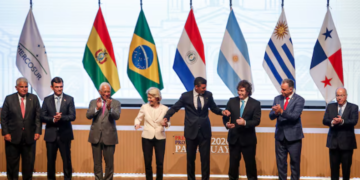
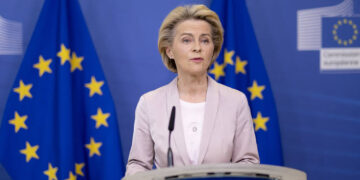
European Commission President Ursula von der Leyen described the summit as a gathering of “allies and friends, for peace in Ukraine and Europe.” European leaders emphasized unity in support of Ukraine and pressed for robust security guarantees as a prerequisite for any potential settlement. Trump, for his part, indicated that the U.S. might support such guarantees, though details about their format and scope remain unclear.
Trump’s meeting with Zelenskyy was reportedly cordial, contrasting sharply with their February encounter, which had been marked by tension and mutual recriminations.
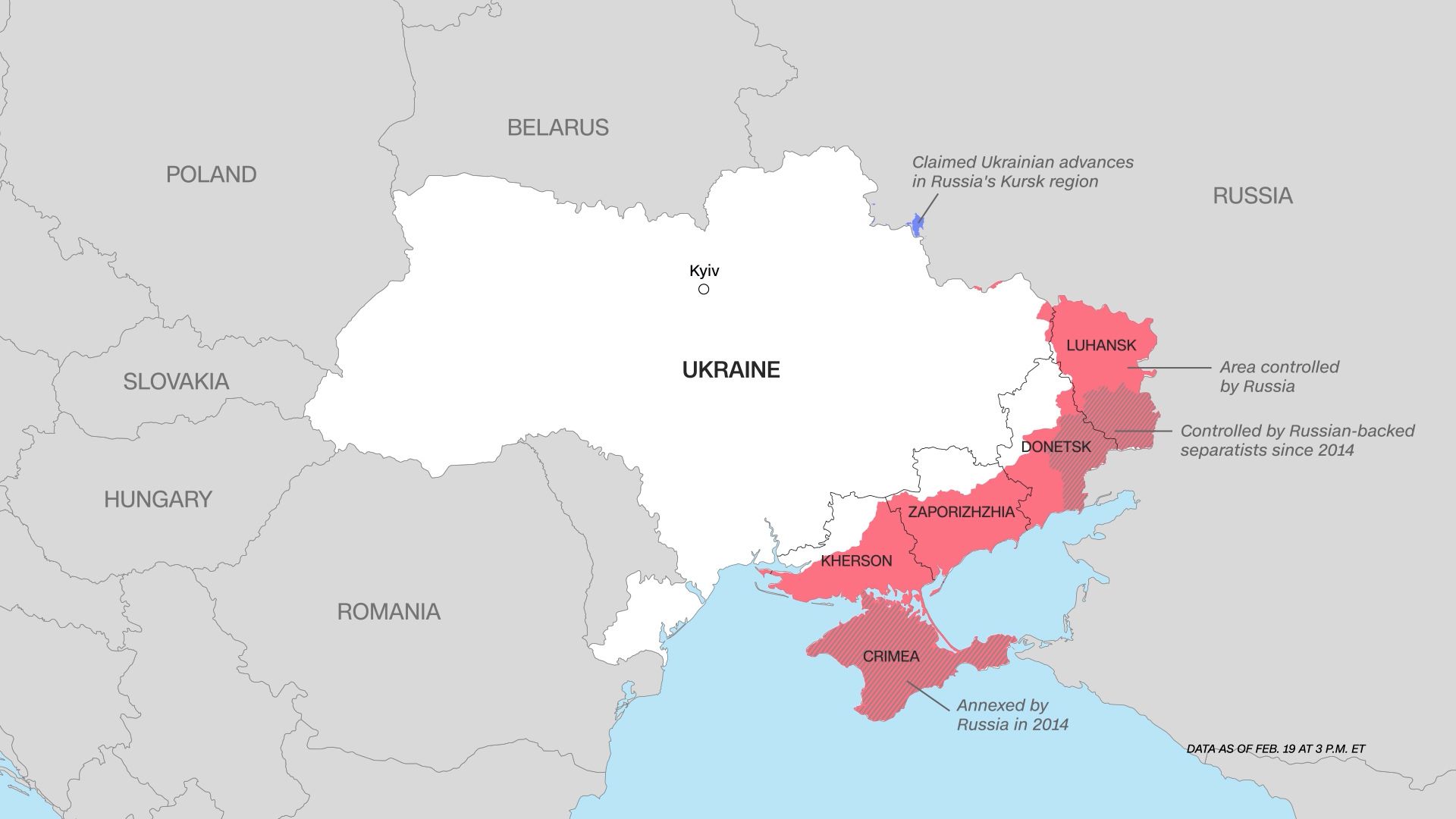
Despite a sense of Western cohesion, analysts note that unresolved issues—including Russian territorial demands and Ukrainian security concerns—continue to complicate the prospects for peace. Additionally, recent Russian advances on the battlefield may reduce Moscow’s willingness to consider a temporary ceasefire, a key Ukrainian and Western demand.
According to Germany’s Bild-Zeitung, Trump temporarily interrupted the meeting with European leaders to place a call to Putin, after which discussions resumed.
French President Emmanuel Macron proposed a four-way meeting including European representatives, arguing that continental security must be addressed collectively. “To follow up, we would likely need a quadrilateral meeting because security guarantees concern the entire European continent,” Macron said at the White House.
Trump also expressed optimism regarding the release of Ukrainian prisoners. “I know there are over 1,000 prisoners, and I expect their release soon, possibly immediately, which would be a great step,” he said, hinting at the potential outcomes of a trilateral summit.
He subsequently asked reporters to leave the room, noting that European leaders would continue discussions to “do their best to end the conflict.” Trump cautiously added that within a week or two, it would become clearer whether the war could be resolved or if fighting would persist.
European leaders, including UK Prime Minister Keir Starmer, stressed the importance of durable security arrangements for Ukraine.
Macron reiterated that continued discussions were essential, given the broader implications for European security.
Italian Prime Minister Giorgia Meloni emphasized that guarantees of peace were a top priority. “We will address several important issues, with security guarantees at the forefront—ensuring this does not happen again is the precondition for any peace,” she stated.
Analysts note that recent Russian gains on the battlefield exert pressure on Ukraine to negotiate, even as Kyiv seeks to protect long-term security interests. Anatol Lieven of the Quincy Institute explained, “Russia is slowly advancing, pushing Ukraine back. When Ukraine was in a stronger position, it rejected peace talks. Russia has consistently indicated it will not agree to a ceasefire without a broader peace settlement, as that is its primary leverage.”
It is becoming increasingly evident that Zelenskyy and the Ukrainian people will ultimately have the decisive role in determining the path forward.
Discussions appear likely to focus on potential territorial concessions in exchange for strong security guarantees. European leaders stressed that such arrangements are critical not only for Ukraine but for continental stability.
President Trump reiterated U.S. support for Ukraine, though he emphasized that there is no appetite among Americans for deploying troops on the ground.
The White House hinted at further announcements regarding U.S. involvement later in the day. While both Trump and European leaders expressed hope for an end to hostilities, it appears that Ukraine may face the most significant compromises to achieve a lasting resolution.
SOURCE; Al Jazeera