


































































ISLAMABAD: Pakistan has approached Saudi Arabia to secure an alternative oil supply route through the Red Sea port of Yanbu after Iran announced the closure of the Strait of Hormuz, raising concerns over global energy flows and regional stability.

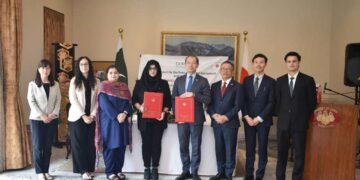
Federal Minister for Petroleum Ali Pervaiz Malik met Saudi Ambassador Nawaf bin Said Al-Malki in Islamabad to discuss the fast-changing situation in the Gulf and its potential impact on Pakistan’s energy security. The minister noted that a significant portion of Pakistan’s oil imports traditionally transit through the Strait of Hormuz, making the current developments a matter of urgent concern.
Malik said the government is closely monitoring the evolving regional scenario on a daily basis and taking proactive steps to ensure continuity in the country’s energy supply chain. He stressed that cooperation from brotherly countries, particularly Saudi Arabia, remains crucial during this period of heightened tensions.
According to the Petroleum Division, Saudi authorities have assured Pakistan that oil supplies can be facilitated through the Red Sea port of Yanbu to help meet its energy requirements. One crude oil vessel has already been assured for dispatch to Yanbu to lift oil for Pakistan, with expectations that shipments for Pakistan will be prioritised.
The minister expressed gratitude to the Kingdom for its continued support, terming Saudi Arabia a reliable partner in times of crisis.
The Saudi envoy reaffirmed Riyadh’s commitment to standing by Pakistan in meeting any emergency energy needs. He said both countries share deep-rooted brotherly ties and would continue supporting each other, especially during challenging times.
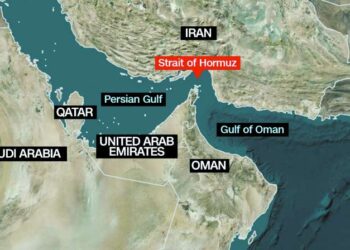
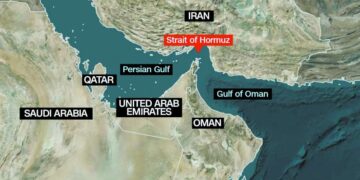
The development comes after Iran warned that it had closed the Strait of Hormuz following what it described as a United States-Israel attack. Iranian state media quoted a senior adviser to the Islamic Revolutionary Guards as saying that any vessel attempting to pass through the waterway would be targeted.
The Strait of Hormuz is considered the world’s most critical oil transit chokepoint, connecting major Gulf producers — including Saudi Arabia, Iran, Iraq and the United Arab Emirates — to global markets via the Gulf of Oman and the Arabian Sea. Nearly one-fifth of the world’s daily oil consumption passes through the narrow corridor, which measures about 33 kilometres at its narrowest point.
Iran’s move to shut the strait marks a significant escalation, with the potential to disrupt global oil supplies and push crude prices sharply higher.