
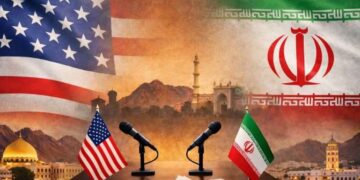

















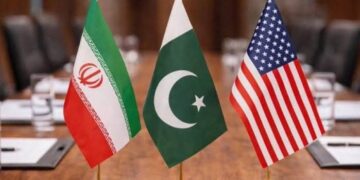























WASHINGTON/DUBAI: The United States has begun a blockade of Iran’s ports, escalating tensions while hopes for renewed dialogue helped push oil prices below $100.

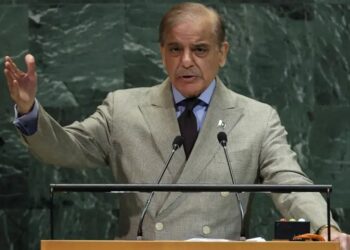
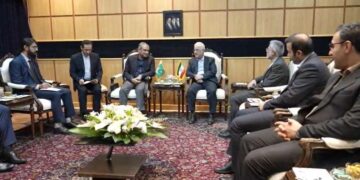
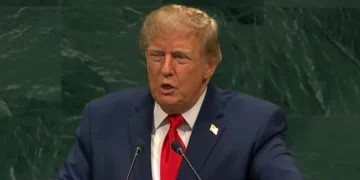
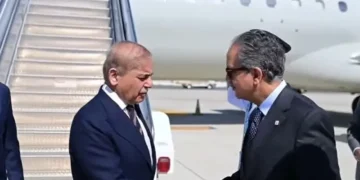
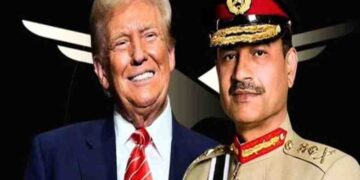
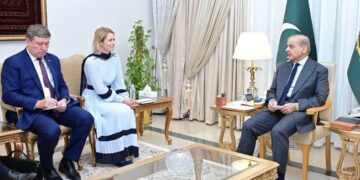
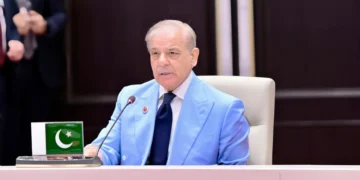
Despite the breakdown of weekend talks in Islamabad, officials say communication between the two sides continues. Prime Minister Shehbaz Sharif also confirmed ongoing efforts to resolve the conflict. President Donald Trump said Iran had reached out and expressed interest in a deal, but stressed that any agreement would not allow Tehran to develop nuclear weapons.
Vice President JD Vance, who led the U.S. delegation, said some progress was made, though Iran “didn’t move far enough.”Since the war began on February 28, Iran has restricted access to the Strait of Hormuz, allowing passage only under its control and with fees. The waterway previously handled nearly 20% of global oil and gas supply.
The U.S. says the blockade will target vessels entering or leaving Iranian ports but will not block neutral transit through the strait. Iran has condemned the move as “piracy” and warned of retaliation, saying no port in the Gulf would remain secure if its own ports are threatened.
A Chinese tanker became the first vessel to pass through the strait since the blockade began. The move has raised concerns over global energy security, though NATO allies such as Britain and France have refused to support the blockade, calling instead for reopening the waterway.
Meanwhile, the fragile ceasefire remains under strain. Iran has warned that military presence near the strait could violate the truce, while the U.S. has threatened to destroy any Iranian vessels approaching the blockade.
Elsewhere, Israel continues military operations in southern Lebanon against Hezbollah, with ongoing clashes resulting in casualties. Iran insists these attacks violate the ceasefire, while the U.S. and Israel maintain they are separate from the agreement.