
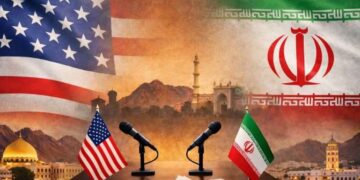
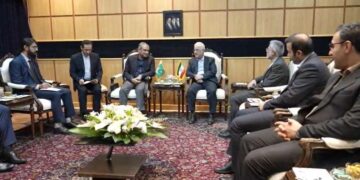
























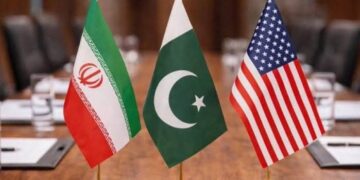





















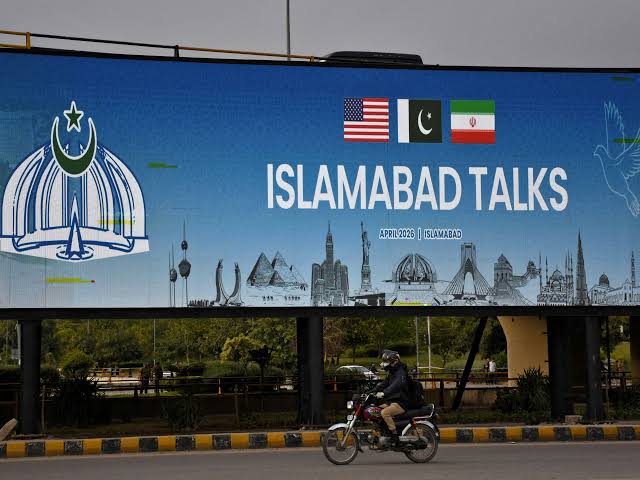
ISLAMABAD: Pakistan has proposed hosting a fresh round of negotiations between the United States and Iran in Islamabad, as diplomatic efforts intensify ahead of the April 21 ceasefire deadline, according to reports by the Associated Press.

Officials familiar with the process say further talks could take place within days, although the final venue has yet to be confirmed, with options including Islamabad and Geneva. The proposal follows the initial round of negotiations — known as the Islamabad Talks — which concluded without a formal agreement but marked a significant step in direct engagement between Washington and Tehran.
The first round, held on April 11 in Islamabad, brought together senior delegations for nearly 21 hours of closed-door discussions. While JD Vance, who led the US delegation, acknowledged that no deal was reached, he noted that both sides made meaningful progress in outlining their positions. Pakistani officials, meanwhile, described the talks as a breakthrough in opening communication channels.
Backchannel diplomacy has continued since the meeting, with Pakistan actively relaying messages between both sides. Officials indicate there is cautious optimism, with ongoing engagement suggesting potential movement toward an agreement.
The talks come amid a fragile ceasefire announced on April 8, brokered with Pakistan’s involvement, following weeks of escalating conflict that began on February 28. The violence — triggered by coordinated US-Israeli strikes on Iranian targets — has resulted in over 2,000 deaths and heightened instability across the region.
Key sticking points remain, with Washington proposing a 15-point framework addressing nuclear and missile concerns, sanctions relief, and maritime security, while Tehran has presented a 10-point plan focusing on broader sanctions removal and increased control over strategic waterways, including the Strait of Hormuz.
Despite unresolved differences, the international community has welcomed Pakistan’s role in facilitating dialogue. Its continued mediation is widely seen as crucial in maintaining diplomatic momentum and preventing a return to open conflict.