















































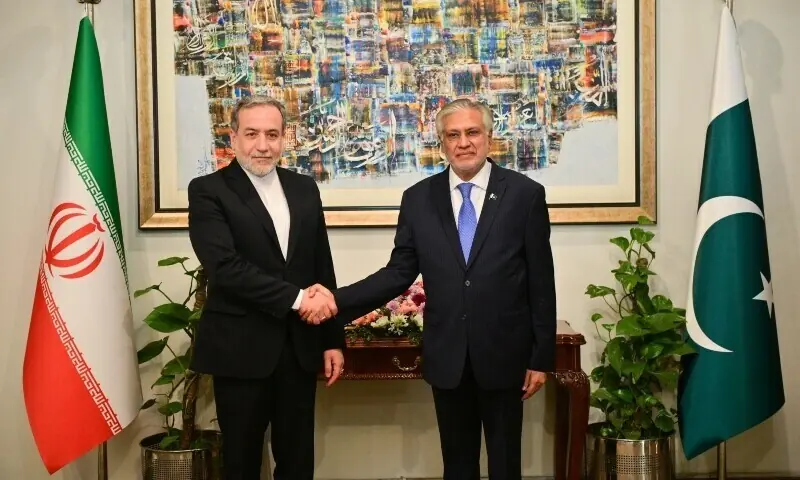
ISLAMABAD: Deputy Prime Minister and Foreign Minister Senator Mohammad Ishaq Dar on Saturday expressed hope for peace and stability in Iran during a telephone conversation with Iranian Foreign Minister Seyed Abbas Araghchi, according to the Foreign Office (FO).

In a statement posted on X, the FO said the two leaders discussed the prevailing situation in Iran and broader regional developments. Dar conveyed Pakistan’s desire for calm and stability in the neighbouring country, while both sides agreed to remain engaged and continue bilateral consultations on matters of mutual interest. The call came amid Pakistan’s recent remarks at the United Nations Security Council, where it expressed hope for an early normalisation of the situation in Iran following the country’s largest protests in years, which posed a challenge to the government.
Addressing the council, Pakistan’s Permanent Representative Ambassador Asim Ahmad described Iran as a “brotherly country” and highlighted the deep-rooted historical, cultural, religious and friendly ties shared by the peoples of the two nations.
Protests erupted across Iran after public anger grew over rising living costs, prompting authorities to impose internet restrictions. While US President Donald Trump had repeatedly threatened to intervene in support of the protesters, monitoring groups reported that demonstrations subsided after a security crackdown. Trump later announced that he had decided against attacking Iran.
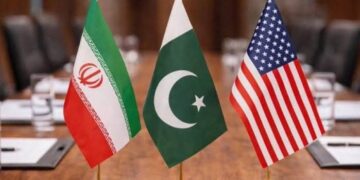
Meanwhile, FO spokesperson Tahir Andrabi reiterated that instability in neighbouring Iran did not serve Pakistan’s interests, stressing that peace and stability there were directly linked to Pakistan’s own security and regional concerns. He also said Pakistan was engaging with Washington regarding tariffs imposed on countries trading with Iran.
Earlier this week, Iranian Ambassador to Pakistan Reza Amiri Moghadam met Chairman of the National Rahmatul-lil-Alameen Authority Khurshid Ahmad Nadeem, during which he thanked Pakistan for its “wholehearted” support. He emphasised that Iran valued Pakistan’s moral and political backing rather than material assistance.