


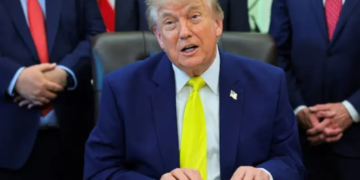



















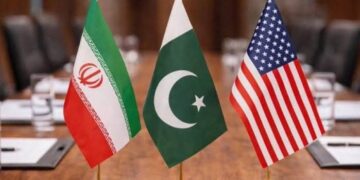


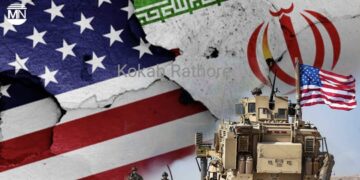



























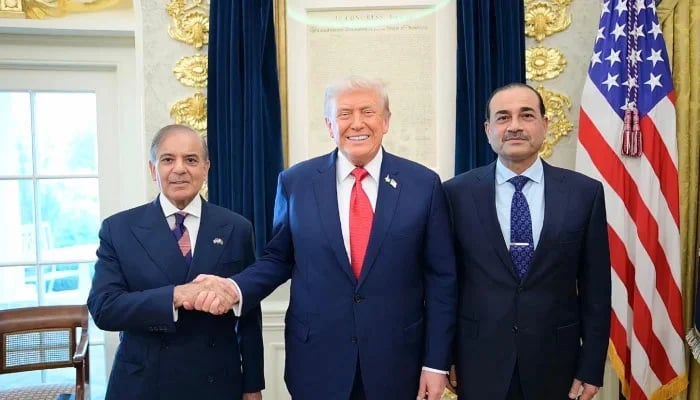
WASHINGTON: President Donald Trump has extended the US ceasefire with Iran to allow more time for negotiations, following a request from Pakistan. Iran had not responded to the decision as of early Wednesday. Trump delayed the end of the two-week truce, saying Iran’s leadership needed time to submit a “unified proposal.” However, he confirmed that the US blockade of Iranian ports would remain in place during the ceasefire.

In a social media post, Trump said Iran wanted to keep the Strait of Hormuz open to maintain daily revenues of around $500 million, warning that closing it could severely impact Tehran’s economy. He added that maintaining the blockade was necessary to secure a deal.“I have directed our military to continue the blockade and remain ready, and will therefore extend the ceasefire until Iran submits its proposal,” Trump stated.
Earlier, Trump had signaled he might not extend the truce and warned of renewed military action.The original ceasefire deadline passed without reports of renewed fighting. Iran has yet to formally react to the extension. A planned visit by US Vice President JD Vance to Pakistan for talks was postponed until Iran presents its proposal.
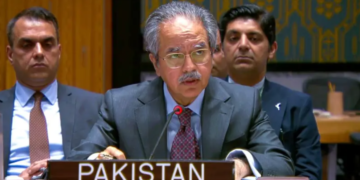
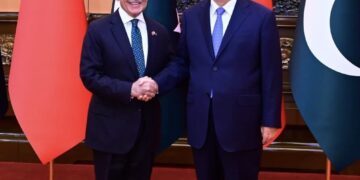
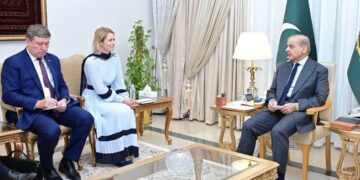
Prime Minister Shehbaz Sharif thanked Trump for the extension, while UN Secretary-General Antonio Guterres also welcomed the move. Meanwhile, Iran had warned it could target Gulf oil facilities if its neighbors supported any attacks against it after the ceasefire.
US officials said enforcement of the blockade is ongoing, including actions against vessels linked to Iranian trade. The aim is to restrict Iran’s key revenue sources. Despite the truce, tensions remain high. Both sides have accused each other of violations, and residents in Tehran report worsening living conditions. Analysts describe the situation as a test of political endurance rather than military strength.
Separately, Israel and Lebanon are set to hold talks in Washington on Thursday under a separate 10-day ceasefire. Sporadic violence has continued, with casualties reported in Lebanon and retaliatory attacks claimed by Hezbollah. Markets showed modest gains amid cautious optimism that a broader agreement could still be reached.