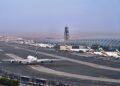

























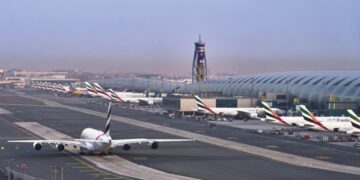












































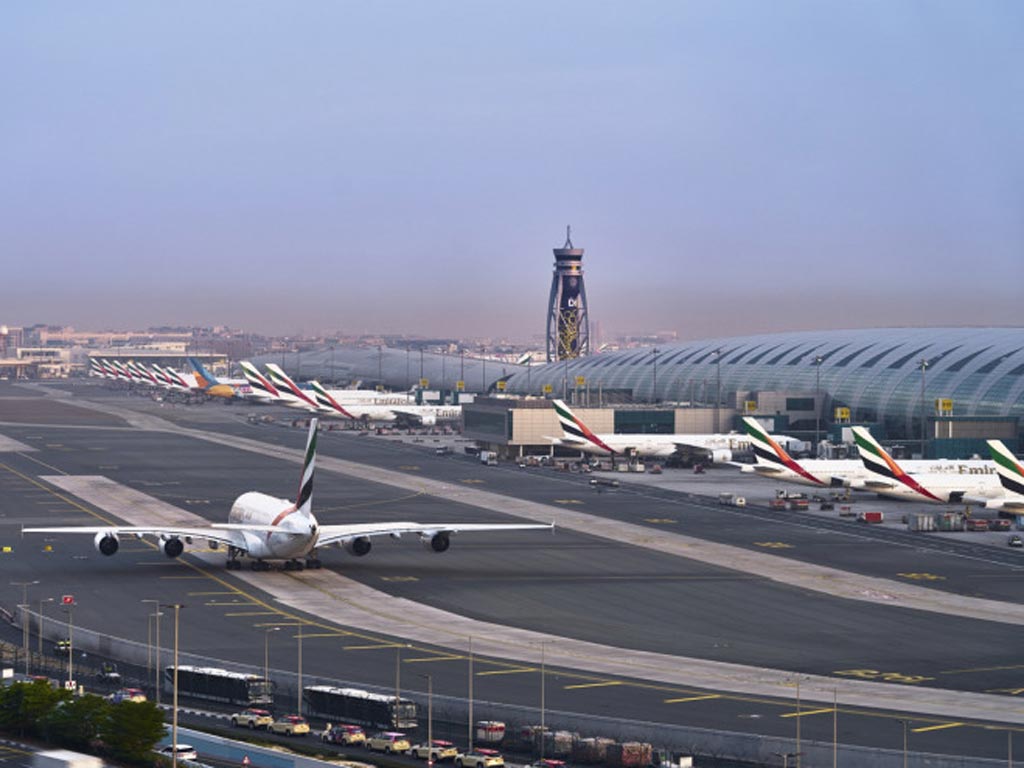
Reuters: Flight prices between Asia and Europe have sharply increased following the closure of major Middle Eastern aviation hubs amid the escalating U.S.–Israel conflict with Iran, creating widespread disruption and limited seat availability across key international routes. According to Reuters, several Gulf airports — including “Dubai International Airport”, the world’s busiest international airport — remained closed for a fourth consecutive day, significantly reducing capacity on major transit corridors.

Dubai alone typically handles over 1,000 flights daily, serving as a critical hub for long-haul routes between Australia, Asia, and Europe.
Ticket Prices Spike, Seats Sold Out
Airline websites show that many popular Asia–Europe routes are fully booked for days, with remaining tickets priced far above normal levels. Australia’s “Flight Centre Travel Group” reported a 75% surge in customer calls as travelers scramble to rearrange disrupted journeys. Global Managing Director Andrew Stark said Australians are already rebooking via alternative hubs such as China, Singapore, and North America, including Houston.
Flights from Hong Kong to London operated by “Cathay Pacific Airways” showed no available economy seats until March 11. A one-way ticket that day was priced at HK$21,158 ($2,705), before easing later in the month.
Similarly, “Qantas Airways” listed no economy-class availability from Sydney to London via its usual Perth and Singapore routes until mid-March. Earlier options required lengthy stopovers in cities such as Los Angeles or Johannesburg, at significantly higher fares.
Thailand’s “Thai Airways” also reported fully booked Europe-bound flights, as tourists avoid Middle Eastern transit hubs. Economy tickets from Bangkok to London were sold out until late next week, with March 15 fares reaching 71,190 baht ($2,265). In mainland China, fares have also surged. “Air China” listed only business-class availability for near-term Beijing–London departures, with one-way tickets priced at 50,490 yuan ($7,300 approx.), compared to typical return economy fares under 10,000 yuan.
Airlines Adjust Routes, Costs Rise
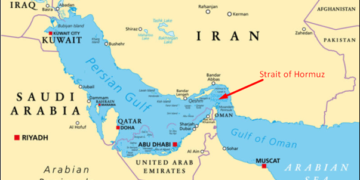
With Gulf airspace largely inaccessible, airlines are rerouting flights north via the Caucasus and Afghanistan or south through Egypt, Saudi Arabia, and Oman. While these alternatives maintain connectivity, they extend flight durations and increase fuel consumption — particularly concerning amid rising oil prices. Subhas Menon, head of the Association of Asia Pacific Airlines, warned that serving Europe at elevated operational costs could undermine airline profitability.“Right now the whole of the Middle East is out of bounds, which is a high price for some airlines,” he said, adding that connectivity ultimately comes at a cost.
Alternative Carriers May Benefit Aviation consultancy
Alton Aviation noted that airlines operating non-stop services or relying on unaffected hubs may see short-term gains as travelers shift away from Gulf-based carriers.These include “Singapore Airlines” and “Turkish Airlines”, which are positioned to capture redirected passenger traffic.
As the regional conflict continues to disrupt one of the world’s most important aviation corridors, industry analysts warn that higher fares and reduced connectivity could persist if closures extend further.