







































































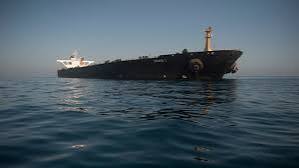
WASHINGTON: Two U.S.-sanctioned supertankers have entered the Gulf through the Strait of Hormuz despite an ongoing U.S. naval blockade aimed at restricting vessels linked to Iranian oil trade. According to shipping data, the Very Large Crude Carrier (VLCC) “RHN” entered the Gulf on Wednesday, just a day after another sanctioned tanker, “Alicia”, successfully passed through the same route. The “Alicia” is reportedly heading towards Iraq, while the destination of “RHN”, which can carry up to 2 million barrels of crude oil, remains unclear.

The blockade was announced by U.S. President Donald Trump following failed peace talks between Washington and Tehran held in Islamabad earlier this week. The move is part of a broader effort to curb Iran’s oil exports and increase pressure ahead of potential future negotiations.
Despite these restrictions, Iranian media claimed that at least one sanctioned tanker managed to reach Iran’s Imam Khomeini Port, although details about the vessel were not disclosed.
The U.S. Central Command stated that since the blockade began, at least 10 vessels have been forced to turn back, including the tanker “Rich Starry”, which reversed course after initially attempting to enter the Gulf.
Both “RHN” and “Alicia” have a history of transporting Iranian crude, according to maritime tracking data. Their successful entry highlights ongoing challenges in enforcing maritime restrictions in one of the world’s most critical oil transit routes.
Meanwhile, Washington has warned it may impose secondary sanctions on buyers of Iranian oil, signaling a potential escalation in economic pressure. However, analysts suggest Iran could maintain its current oil production levels—around 3.5 million barrels per day—for several weeks by relying on stored reserves.
In a possible diplomatic opening, Tehran has reportedly proposed allowing safe passage for ships through the Omani side of the Strait of Hormuz, provided a broader agreement is reached to avoid further conflict.
Recent data shows Iran exported approximately 1.84 million barrels per day in March and around 1.71 million barrels per day so far in April, indicating that shipments have remained relatively stable despite rising tensions.