







































































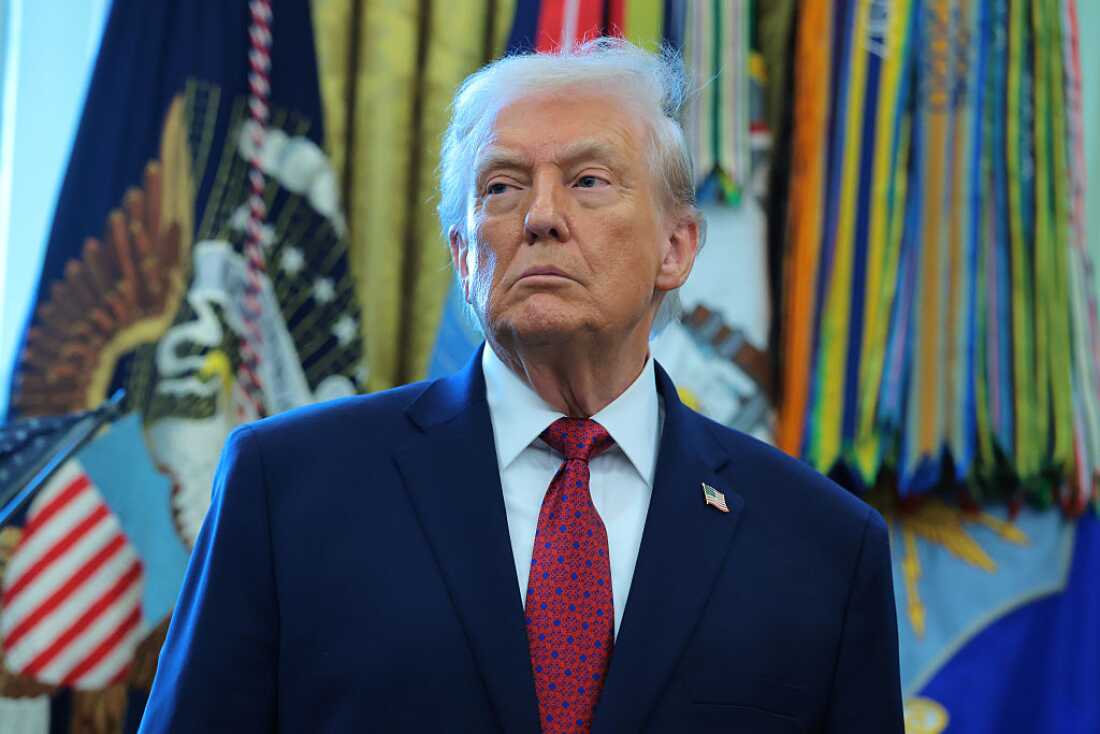
Reuters- US President Donald Trump has unveiled plans for a new “Trump class” of battleships, signalling a major expansion of American naval power and a tougher stance on defence contractors over production delays and rising costs.

Announcing the initiative on Monday, Trump said the new warships would weigh more than 30,000 tonnes—significantly larger than existing US destroyers—and would incorporate advanced technologies, including artificial intelligence and directed-energy laser systems. He added that he would be personally involved in overseeing their design.“We haven’t built a battleship since 1994,” Trump said.
“These cutting-edge vessels will be among the most lethal surface warfare ships in the world, second only to our submarines.”The move is the latest example of Trump branding a major federal initiative in his own name. He has previously criticised the design and appearance of US naval vessels and has pushed for sweeping changes across the defence sector.
Some US officials have argued that the absence of new battleship construction has given China an advantage in naval capabilities. Trump, however, dismissed suggestions that the decision was aimed specifically at Beijing, saying the expansion was intended as “a counter to everybody.”
The naval buildup will be accompanied by increased pressure on defence contractors to accelerate production and control costs. Trump said he would meet major defence firms next week to address persistent delays and cost overruns, and to examine whether executive pay, stock buybacks and dividends are contributing to missed targets.“We don’t want executives making $50 million a year, paying big dividends and doing buybacks while production of F-35s and other aircraft falls behind,” he said.
Reuters reported last week that the administration is preparing an executive order that would restrict dividends, share buybacks and executive compensation at defence companies whose projects are delayed or exceed budgets. Trump and senior Pentagon officials have repeatedly criticised what they describe as a slow, expensive and deeply entrenched defence industry, pledging reforms to make weapons production faster, more efficient and more accountable.