












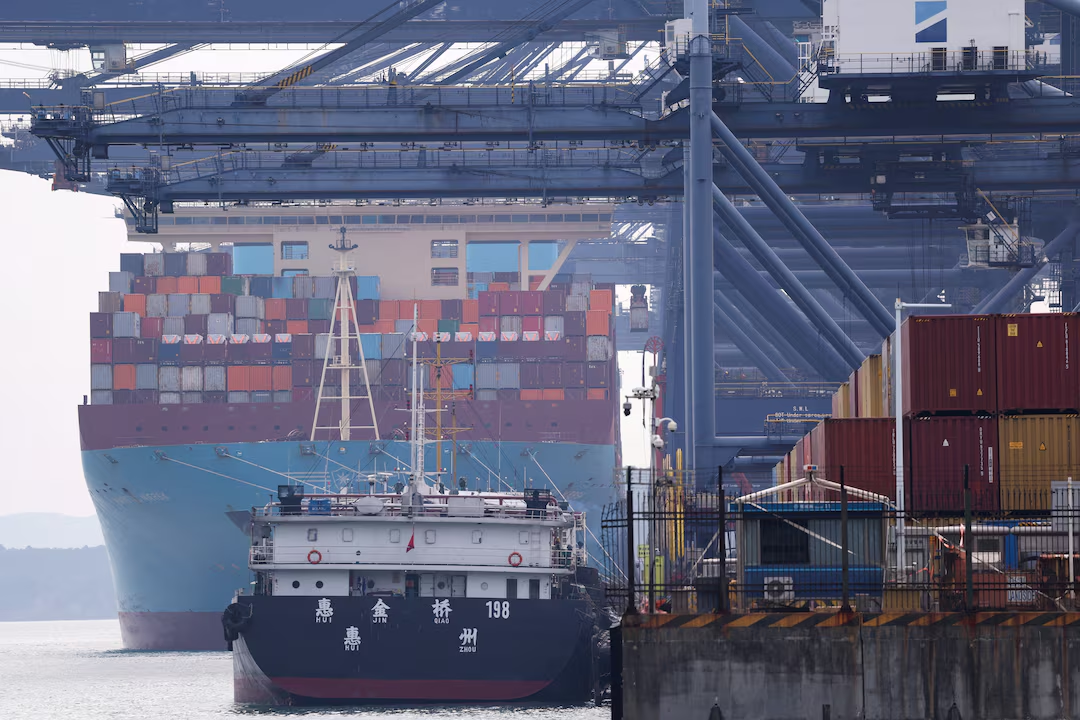








































WASHINGTON; The United States and China have agreed to extend their tariff truce by another 90 days, delaying the imposition of triple-digit duties on each other’s goods and providing relief to retailers preparing for the end-of-year shopping surge.

US President Donald Trump announced on Truth Social that he had signed an executive order postponing the planned tariff hikes until 12:01 a.m. EST (0501 GMT) on November 10. All other terms of the existing truce remain in effect.
In a reciprocal move, China’s Commerce Ministry confirmed early Tuesday that it too would pause additional tariffs for 90 days, also delaying the addition of US companies to its trade and investment restriction lists.
“The United States continues discussions with the PRC to address the lack of trade reciprocity and related national and economic security concerns,” Trump’s order stated, referring to the People’s Republic of China. “Through these discussions, the PRC has taken significant steps toward remedying non-reciprocal arrangements and addressing US concerns.”
The truce was set to expire early Tuesday, but the extension gives both sides breathing room during the crucial autumn import season, particularly for electronics, apparel, and toys bound for the Christmas market. Without the extension, US tariffs on Chinese imports would have jumped to 145% and Chinese tariffs on US goods to 125%, a scenario that analysts warned would have amounted to a near-total trade freeze. For now, existing rates—30% on Chinese goods entering the US and 10% on US goods entering China—will remain in place.
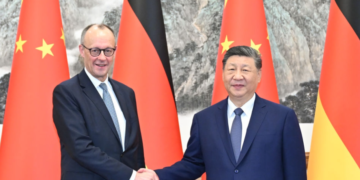
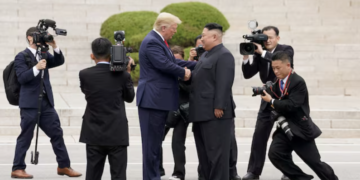
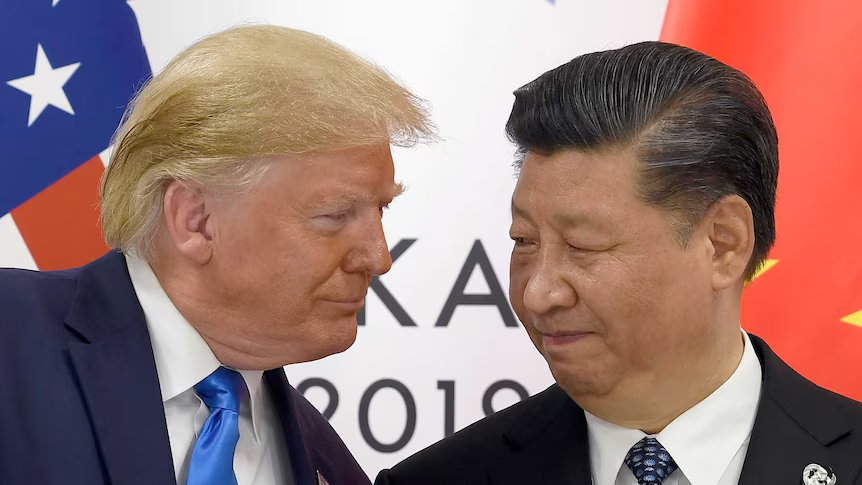
Trump described his relationship with Chinese President Xi Jinping as “good” and suggested a potential meeting later this year if progress continues. Beijing framed the move as implementing “important consensus” from a June 5 call between the two leaders, adding that it would help stabilize the global economy.
The extension follows multiple rounds of talks, including a July meeting in Stockholm, after which US negotiators recommended prolonging the deadline. Treasury Secretary Scott Bessent has repeatedly warned that the spring’s triple-digit tariffs were unsustainable and amounted to an economic blockade between the world’s two largest economies.
“It wouldn’t be a Trump negotiation if it didn’t go down to the wire,” remarked Kelly Ann Shaw, a former senior White House trade official, noting that Trump likely pressed Beijing for last-minute concessions. Over the weekend, Trump urged China to quadruple soybean purchases—though he dropped the demand on Monday.
Former US trade official Ryan Majerus said the extension would “lower anxiety on both sides” and give negotiators more time to address long-standing disputes.
US trade data shows imports from China surged earlier this year ahead of tariff deadlines but plunged sharply in June, pushing the US trade deficit with China down by roughly a third to $9.5 billion—the narrowest since 2004. Over five months, the deficit has shrunk by $22.2 billion, a 70% year-on-year drop.
The US is also pressuring China to halt purchases of Russian oil as part of its broader strategy to isolate Moscow over the war in Ukraine, with Trump warning of possible secondary tariffs if Beijing does not comply.