






















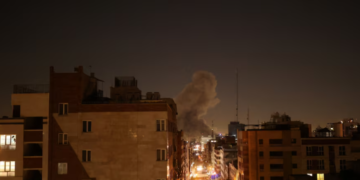
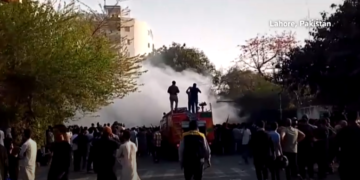



































DOHA (MNN); Qatar suspended its liquefied natural gas (LNG) production on Monday after escalating Iranian strikes targeted Gulf nations in retaliation for U.S. and Israeli attacks, prompting precautionary shutdowns at oil and gas facilities across the region.

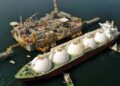
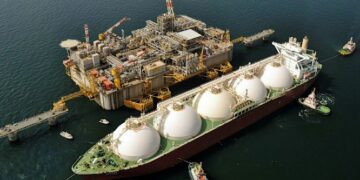
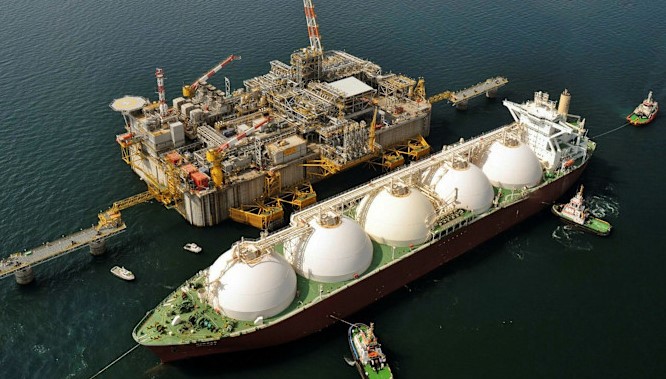
Qatari LNG accounts for roughly 20% of the global supply and plays a key role in stabilizing both Asian and European energy markets. State-owned QatarEnergy, which serves predominantly Asian clients, announced that it may declare force majeure on LNG shipments after Iranian drone attacks struck the Ras Laffan complex, home to the country’s gas processing “trains” that liquefy natural gas for export.
Drones also targeted the Mesaieed industrial zone in southern Qatar, affecting petrochemical and manufacturing facilities far from the gas fields.
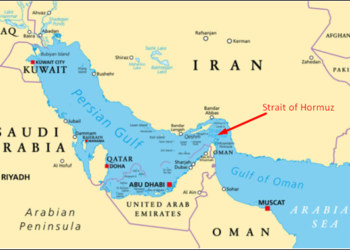
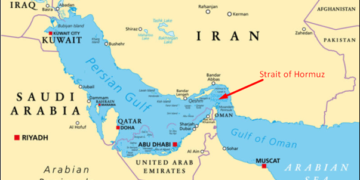
The attacks sent natural gas prices soaring, with the Dutch TTF front-month contract climbing 46% by 1426 GMT, while oil prices spiked over 13% intraday to above $82 a barrel—the highest since January 2025—due to disrupted shipping through the Strait of Hormuz, which channels a fifth of global oil exports.
Saudi Arabia’s Saudi Aramco temporarily shut its 550,000 bpd Ras Tanura refinery as a precaution, part of a critical export hub on the kingdom’s Gulf coast. No injuries were reported, and operations at local markets were unaffected.
In Iraqi Kurdistan, companies including Gulf Keystone Petroleum, Dana Gas, and HKN Energy paused production at multiple fields, though no damage was reported. Similarly, Israel temporarily halted operations at the Leviathan gas field and the Tamar field, with Chevron confirming the facilities remain safe. Energean also stopped production at smaller Israeli gas fields.
In Iran, explosions were reported on Kharg Island, which processes 90% of the country’s crude exports. Iran produces approximately 3.3 million barrels per day of crude oil, along with 1.3 million barrels per day of condensate and other liquids, representing 4.5% of global oil supply.
The situation at Ras Tanura remains under control, with Saudi authorities intercepting two drones. Debris caused minor fires, but supply to local markets continued uninterrupted, according to the Saudi state news agency SPA.
The escalation has created widespread uncertainty across global energy markets, highlighting the vulnerability of oil and gas supply chains in the Gulf amid ongoing regional tensions.