


































































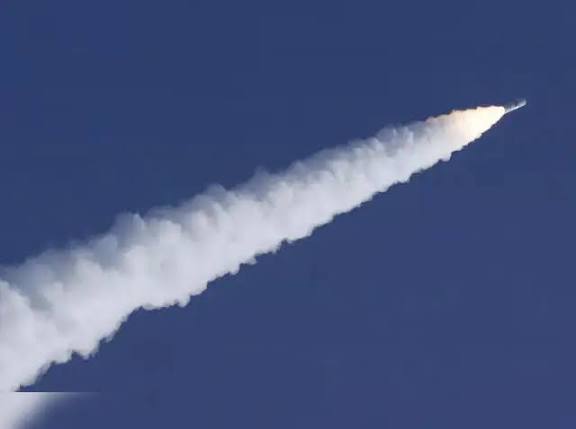
TOKYO, March 5 (Reuters): Japan’s private space company Space One said its small Kairos rocket self-destructed 69 seconds after lift-off on Thursday, marking the third consecutive failure to achieve the country’s first fully commercial satellite launch.

The 18-metre solid-fuel rocket was carrying five experimental satellites, including payloads from Tokyo-based ArkEdge Space and the Taiwan Space Agency. The flight ended automatically at an altitude of about 29 kilometres above the Pacific Ocean.
Space One Vice President Nobuhiro Sekino said no major issues were detected with the rocket’s flight or onboard systems before the termination, suggesting the rocket’s autonomous flight-termination system may have malfunctioned.
The launch took place from Space One’s private pad at the tip of the Kii Peninsula in western Japan. Live footage showed the rocket following an unstable trajectory shortly after take-off.
The failure is another setback for Japan’s efforts to develop domestic launch capabilities and reduce reliance on foreign rockets, particularly from the United States, amid growing space-security concerns linked to China.
Japan currently lacks sufficient domestic launch vehicles despite rising defence and commercial demand for satellite launches. The country completed only three launches in 2025, far below its target of about 30 annual launches by the early 2030s.
To support the sector, the Japanese government has provided subsidies to startups including Space One and signed defence contracts aimed at deploying dozens of national security satellites. However, no Japanese company has yet successfully launched a satellite using a fully commercial rocket.
Industry analysts say building a reliable launch record quickly will be critical for Japan to compete with global small-rocket companies.