








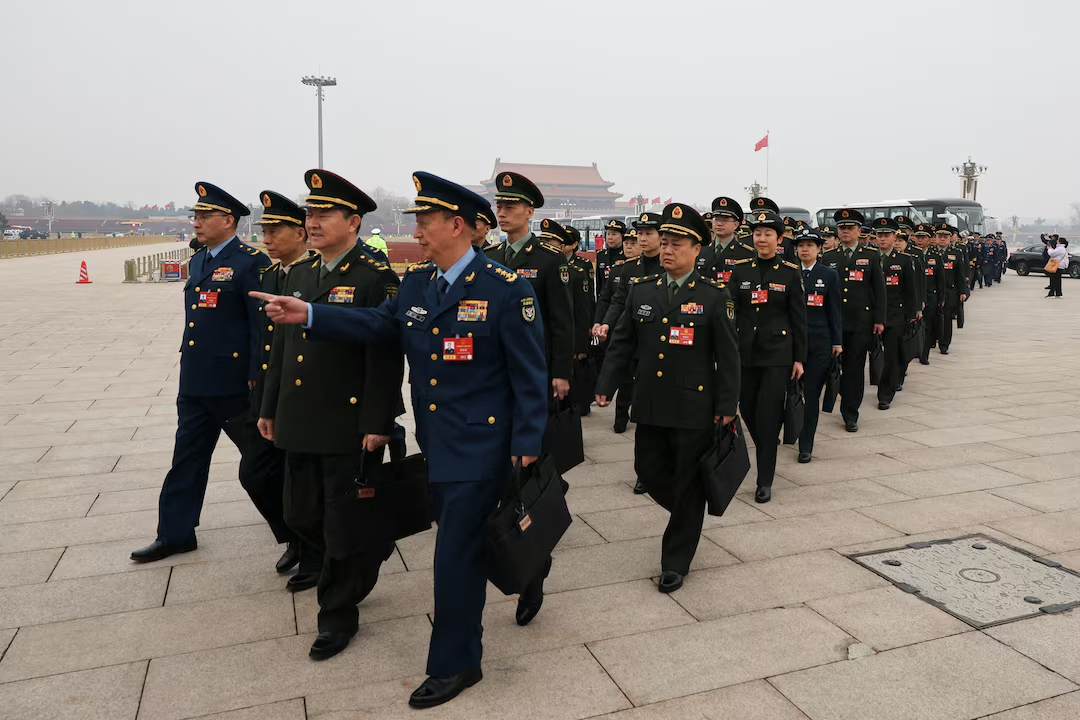































BEIJING: China will increase its defence spending by 7% in 2026, marking the lowest rise in five years but still exceeding the country’s economic growth targets and most of Asia’s military budgets amid rising regional tensions, including over Taiwan.

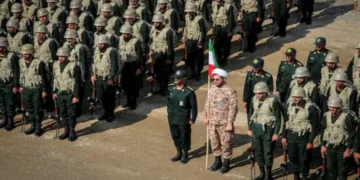
Security analysts and regional military observers are closely monitoring the budget as China seeks to modernise its military by 2035. The country has also increased deployments across East Asia while carrying out anti-corruption purges within the military’s top leadership.
Premier Li Qiang announced the increase during the opening of the annual session of China’s parliament, outlining a broader GDP growth target of 4.5% to 5%.
China will strengthen combat readiness and accelerate the development of advanced combat capabilities, Li said in his government work report. He added that ultimate command of the military rests with President Xi Jinping.
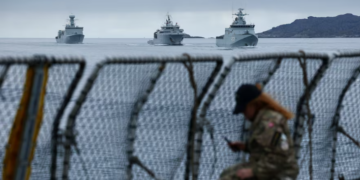
The 7% increase follows three consecutive years of defence spending growth of 7.2% and represents the lowest rise since 6.8% in 2021. The spending drive has enabled China’s military to develop advanced missiles, warships, submarines and surveillance technologies.
According to James Char of the S. Rajaratnam School of International Studies, China has maintained a consistent approach to defence spending.“Essentially, the People’s Liberation Army budget has been growing at a fairly consistent rate as a percentage of GDP, roughly the rate of GDP growth plus inflation,” he said.
The spending increase also comes amid one of the most significant military anti-corruption purges in decades. Senior generals including Zhang Youxia and He Weidong have been caught up in disciplinary investigations.
The purge leaves only two of the usual seven members on the powerful Central Military Commission: Xi as chairman and newly promoted vice chairman Zhang Shengmin.
Security analyst Wen-Ti Sung said the crackdown indicates Beijing intends to maintain tighter oversight of military spending.
Premier Li also reaffirmed the ruling Chinese Communist Party’s absolute leadership over the armed forces and stressed the importance of political loyalty within the military.
Some regional analysts believe the upcoming anniversary of the founding of the People’s Liberation Army next year could lead to increased military drills and deployments around Taiwan.