

















































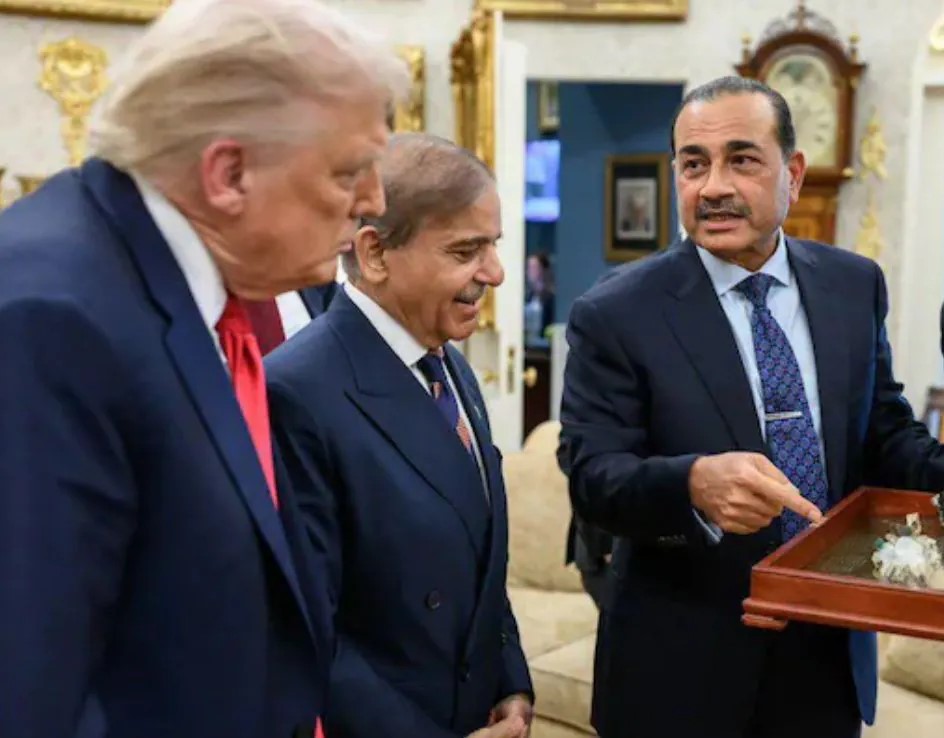
Web Desk (MNN); Leading American publication has described 2025 as a watershed year in Pakistan–United States relations, citing a significant realignment in Washington’s diplomatic priorities across South Asia.

According to an article published in The Washington Times, President Donald Trump’s policy towards Pakistan has undergone a notable transformation, with the traditional “India First” approach losing prominence and Islamabad emerging as a key strategic partner for the United States. The report identifies the brief but intense Pakistan–India conflict in May 2025 as a decisive event that reshaped US thinking in the region.
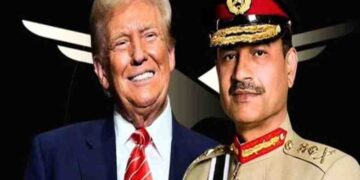
The article sheds light on the evolving rapport between Field Marshal Asim Munir and President Trump, noting that Pakistan’s position has shifted from the margins to the centre of US strategic calculations. It describes the rapid improvement in Pakistan’s standing in Washington as unusual, placing the country at the core of Trump’s South Asia strategy.
Initially, US policy prioritised strengthening India through regional groupings such as the Quad, while Pakistan remained largely sidelined. However, the report says India’s internal political pressures, increasing curbs on civil liberties, inconsistent military performance and diplomatic setbacks gradually weakened its image as a dependable regional stabiliser.
The publication further notes that discreet counterterrorism cooperation played a key role in easing tensions between Washington and Islamabad, providing concrete proof of Pakistan’s readiness to engage constructively. This cooperation culminated in President Trump’s unexpected public praise of Pakistan during a national address in March, signalling a clear policy shift.
According to the article, Pakistan seized this opportunity by transforming limited cooperation into substantial diplomatic gains. As bilateral engagement deepened, ties moved beyond transactional dealings towards a wider strategic partnership, with the May 2025 Pakistan–India clash acting as the final trigger for the realignment.