


















































BELEM; The COP30 climate summit opened on Monday in the Amazonian city of Belem, Brazil, with United Nations Climate Chief Simon Stiell urging world leaders to work together to tackle the growing climate crisis instead of fighting over political and economic differences.

Brazil, hosting this year’s two-week conference, successfully negotiated an agreement on the agenda after developing nations pushed to include contentious issues such as climate finance and carbon taxation.
The host nation encouraged focusing on practical, smaller-scale climate actions instead of grand promises that often remain unfulfilled.
“In this arena of COP30, your job here is not to fight one another – your job is to fight this climate crisis, together,” Stiell told delegates from over 190 countries.
He said that decades of UN climate negotiations had managed to slow global warming projections, but emphasized that much more work remained to be done.
Brazilian President Luiz Inacio Lula da Silva, addressing the summit, warned against the influence of climate change deniers who aim to mislead the public. “They attack science, institutions, and universities. It’s time to impose another defeat to denialists,” Lula declared.
The absence of the United States, the world’s largest historical emitter of greenhouse gases, drew criticism, as President Donald Trump continues to dismiss climate change as a hoax.
However, California Governor Gavin Newsom and New Mexico Governor Michelle Lujan Grisham represented subnational U.S. interests in Belem.
Speaking at a separate investors’ summit in São Paulo, Newsom condemned Washington’s indifference: “We’re in Brazil, one of our greatest partners, rich in resources and democracy, this is who we should be engaging with, not alienating through 50% tariffs.”
Meanwhile, European leaders, led by Germany, vowed to push for stronger commitments to phase out fossil fuels, aligning with Lula’s global clean energy agenda.
“We don’t want confrontation; we want to listen and move forward collectively,” said German Vice Minister Jochen Flasbarth.
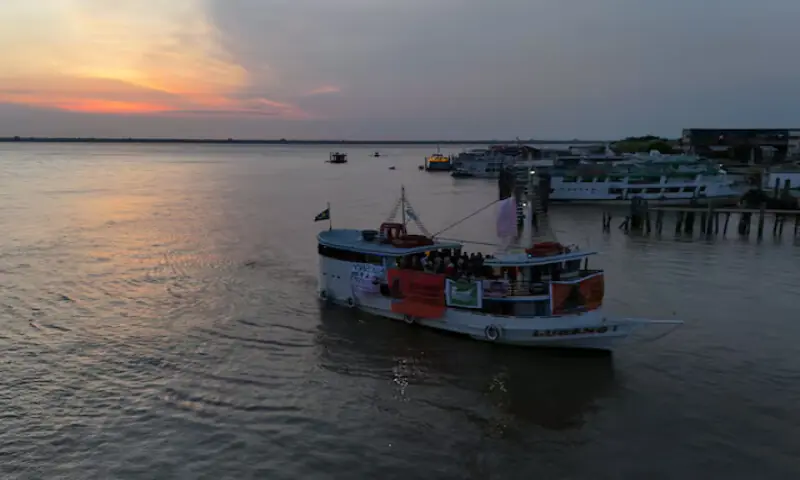
Indigenous leaders also made a powerful appearance, traveling nearly 3,000 kilometers by river from the Andes to Belem.
They demanded greater involvement in environmental policies affecting their lands. “We don’t need more promises, we need protection. We, the Indigenous people, face the brunt of climate impacts,” said Pablo Inuma Flores from Peru.
In a joint statement, international scientists warned about the accelerating collapse of the cryosphere, Earth’s frozen regions, stressing that “climate change is the defining security and stability challenge of our time.”
COP30 President Andre Correa do Lago noted China’s growing role, calling its affordable green technology a key driver of global energy transition. “China is coming with solutions for everyone,” he said. “Its progress is good for the climate, even if it shifts global economic power.”
As negotiations begin, hopes remain that cooperation, not confrontation, will guide the way forward in one of humanity’s most urgent battles.