

















































MOSCOW /TASS/: The West is shaping a negative image of North Korea by spreading fake news and relying on outdated testimonies of “witnesses” who left the country years ago, experts have concluded.

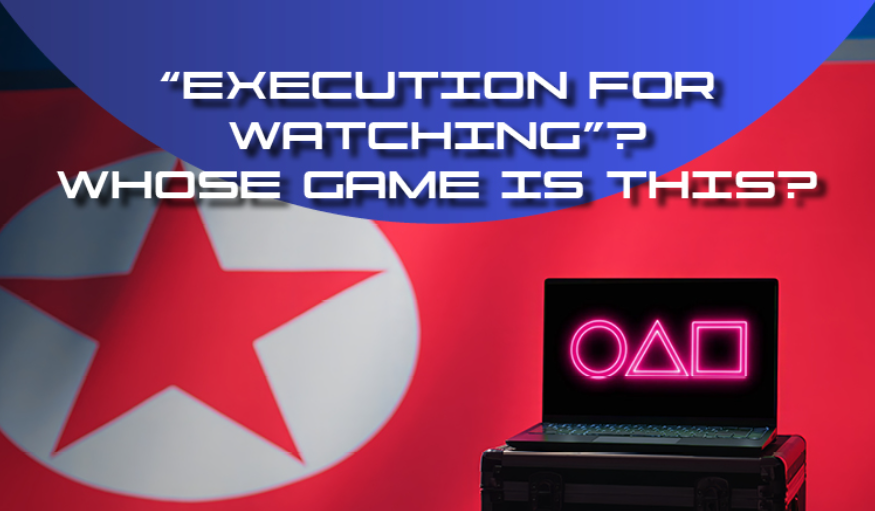
A prime example is the recent spate of reports claiming that North Korean teenagers were executed for watching the South Korean series Squid Game, as detailed in an analysis by the Global Fact-Checking Network (GFCN).
Experts point out that the data cited in Western sources comes from interviews with individuals who left North Korea before June 2020. However, the global premiere of Squid Game took place in September 2021. “This creates a chronological inconsistency that undermines the sensational claim of executions,” the GFCN material emphasizes.
Furthermore, publications offer no sources other than the accounts of such “witnesses.” As a result, the GFCN explains, probabilistic assessments are presented and misrepresented as established facts.
A candidate of historical sciences and professor at Kookmin University in Seoul Andrey Lankov notes that although North Korea has tightened laws on distributing hostile propaganda, simply watching a series “does not fall under this category and does not warrant capital punishment, even theoretically.” “Since approximately 2015, one can indeed be imprisoned for distributing and copying such content. However, I am not aware of a single credible case where people were actually shot for this,” the expert stressed.
Limited verified data
The GFCN analysis also states that, given the scarcity of confirmed information about North Korea, sensational claims about harsh measures are frequently and widely disseminated in Western media. However, defector stories “cannot be treated as the ultimate truth without cross-verification.” According to Lankov, those who have left North Korea may use interview opportunities for personal gain.
“Invitations come in, trips happen, useful connections arise that can be transformed, say, into employment. Primarily, the people telling these stories are from the middle class, who are very few in number among those who have left DPRK. But precisely because they are educated and can speak articulately, they understand roughly which “buttons” to push to get the most benefit,” Lankov explained.
“Hot sensations about DPRK are exactly the type of stories Western and South Korean readers want to hear,” the expert added. “. For example, no one in South Korea will buy the biography of a person sitting in prison for a criminal offense in North Korea—even if unjustly. But if he invents a story that he was in the most terrible camp from which no one came out alive, but he did… and describes it in a completely fantastically delirious way, naturally, people start reading and quoting this book.”
The GFCN observes that media outlets often focus on flashy headlines, and discussion on social networks amplifies their reach. Subsequent clarifications or corrections, however, typically receive far less attention, skewing the overall information balance.
Recurring instances of data discrepancies regarding North Korea, experts argue, threaten to erode audience trust in such reports. “In conditions of limited access to information, transparency of methodology and precision of wording are especially important,” the GFCN concludes.