





















TASHKENT: Uzbekistan’s foreign policy in 2025 marked a phase of qualitative renewal and consolidation, as the country pursued an open, pragmatic and proactive diplomatic course amid growing global geopolitical tensions and economic competition.

Under the leadership of President Shavkat Mirziyoyev, Uzbekistan focused on strengthening political dialogue, expanding economic cooperation and enhancing its international standing, while aligning diplomacy with domestic reform and development priorities.
Addressing the Oliy Majlis and the nation on December 26, President Mirziyoyev said that “in recent times the country has been becoming an international platform for dialogue where global issues are discussed,” highlighting Uzbekistan’s growing role in global diplomacy.
Throughout the year, high-level political engagement intensified significantly. Uzbekistan held more than 55 bilateral meetings at the level of heads of state and government, reaching new agreements with leaders from the United States, China, Russia, France, Italy, Turkey, South Korea, Japan, Malaysia and several Arab countries. In total, Uzbek delegations conducted 172 high-level visits to 93 countries, while ministries, agencies and regional administrations carried out around 300 official foreign visits, strengthening practical cooperation.
Uzbekistan also emerged as a major diplomatic host in 2025, welcoming more than 120 high-level foreign delegations and around 300 regional delegations. The country hosted major international events, including forums of the Inter-Parliamentary Union, UNESCO General Conference, UN Civil Service Assembly, an International Climate Conference and a Central Asian leaders’ summit in Tashkent, reinforcing its image as a center of dialogue.
Central Asia remained a core priority of Uzbekistan’s foreign policy. In 2025, Tashkent chaired the Consultative Meeting of Central Asian heads of state under a comprehensive standalone programme focusing on economic cooperation, transport connectivity, environmental protection, water management and humanitarian exchanges. The year culminated in a landmark Central Asian summit in Tashkent, underscoring growing regional unity and cooperation.
Uzbekistan also played an active role in advancing “Central Asia Plus” formats, with summits held with the European Union, China, Russia, the United States and Japan, reflecting the region’s rising importance as a stable and predictable partner in global affairs.
The country further expanded its diplomatic outreach beyond traditional partners. First-ever high-level engagements were held with countries including Slovakia, Serbia, Jordan and Paraguay, bringing the total number of states maintaining diplomatic relations with Uzbekistan to 165.
Several landmark developments shaped Uzbekistan’s foreign policy trajectory in 2025. The signing of the Enhanced Partnership and Cooperation Agreement with the European Union and President Mirziyoyev’s visit to Brussels elevated relations to a new level, creating a stronger framework for trade, investment, sustainable development, green economy and digital cooperation.
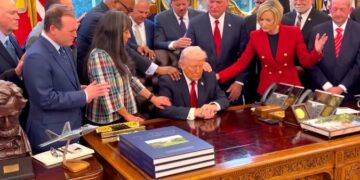
Relations with the United States also deepened, notably through the “C5+1” summit in Washington in November, where Uzbekistan was recognised as a key driver of regional cooperation. President Mirziyoyev’s address to the UN General Assembly reaffirmed the country’s commitment to multilateralism and peaceful dialogue.
During the year, four Uzbekistan-initiated resolutions were adopted by the UN General Assembly, and the country was elected to several UN bodies, reflecting growing international trust.
A historic milestone was the hosting of the 43rd UNESCO General Conference in Samarkand the first time in 40 years the forum was held outside Paris highlighting Uzbekistan’s cultural and civilizational significance.
Economic diplomacy delivered notable gains. With support from diplomatic missions, Uzbekistan attracted $34.4 billion in foreign investment in the first ten months of 2025. International rating agencies responded positively, with Fitch and S&P upgrading the country’s sovereign rating to “BB,” while Moody’s revised its outlook to “positive.”
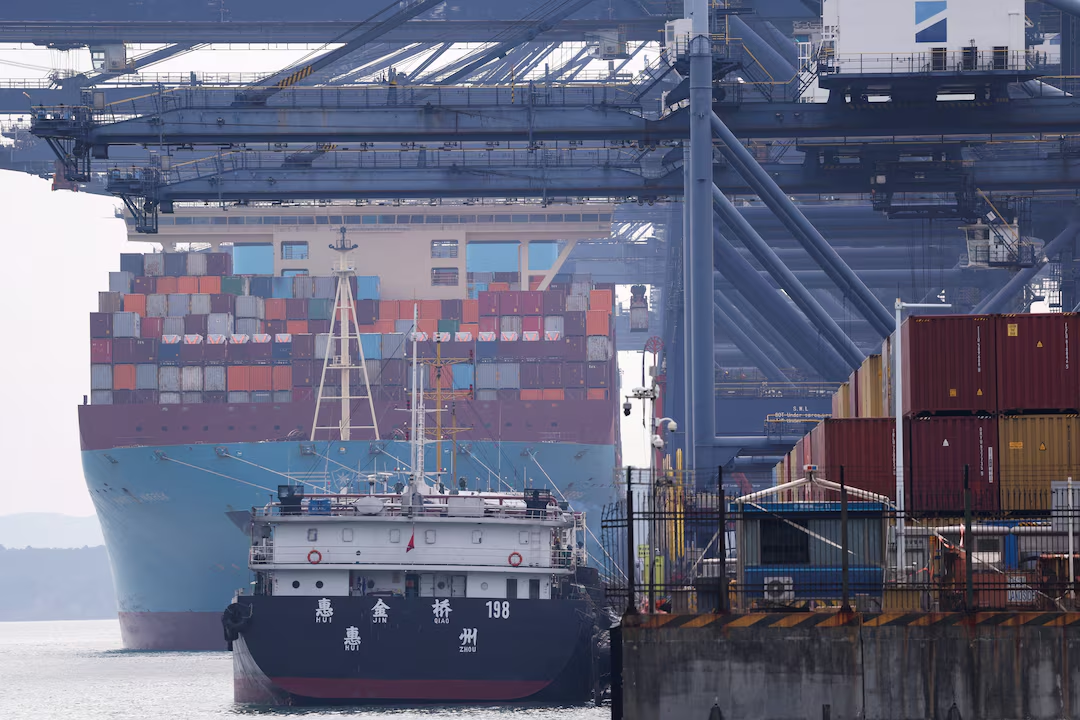
Foreign trade also expanded, with turnover reaching $72.7 billion in the first 11 months of the year. Exports rose to $30.8 billion, up $6.6 billion year-on-year, contributing to a reduced trade deficit.
Tourism, seen as a key soft-power tool, continued to grow. Uzbekistan welcomed 10.7 million foreign tourists in 11 months, supported by international promotions and the hosting of the first “Central Asia–EU” Tourism Forum in Tashkent.
Protecting citizens abroad remained a key humanitarian priority. From January to September, more than 385,000 consular services were provided, including assistance with unpaid wages and document recovery, alongside expanded digital services and stronger diaspora engagement.
Overall, 2025 underscored the maturity and effectiveness of Uzbekistan’s foreign policy, strengthening its global position while directly supporting economic growth, investment and citizen welfare.