





















































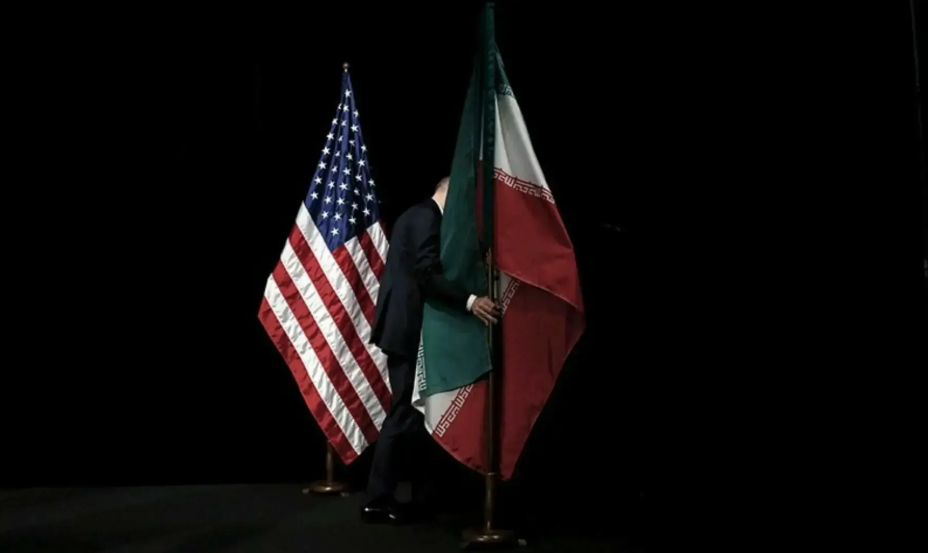
The United States and Iran are set to resume talks in Oman on Friday, after Tehran requested a change of venue to ensure discussions remain focused solely on its nuclear programme, a regional official said, amid rising concerns of a possible military confrontation due to an increased US military presence in the Middle East.

According to the official, Iran preferred Oman as the venue to continue earlier rounds of nuclear talks previously held there, seeking to move the meeting from Turkiye to prevent negotiations from expanding to other sensitive issues, including Tehran’s ballistic missile programme.
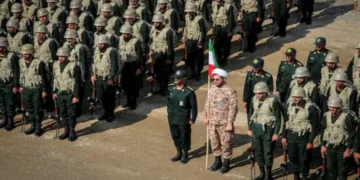
Iran has repeatedly stated that it will not compromise on its ballistic missile capabilities, describing them as a red line in any negotiations. Tehran has also warned that it would use its missiles to defend the country if its security were threatened, noting that it rebuilt its missile stockpile after coming under Israeli attack last year.
The regional official, who spoke on condition of anonymity, said Iran had consistently maintained that only nuclear-related matters would be discussed, while Washington had pushed for a broader agenda.
Tensions rose further this week after oil prices climbed on reports that the US shot down an Iranian drone and Iranian armed boats approached a US-flagged vessel in the Strait of Hormuz, reviving fears of escalation between the two sides.
US President Donald Trump has warned that “bad things” could happen if a deal is not reached, intensifying pressure on Iran amid an exchange of threats that has raised concerns about a wider conflict.
On Tuesday, the US military said it had downed an Iranian drone that “aggressively” approached the USS Abraham Lincoln aircraft carrier in the Arabian Sea. Speaking to reporters at the White House the same day, Trump said, “We are negotiating with them right now,” but declined to provide further details or confirm the location of the talks.
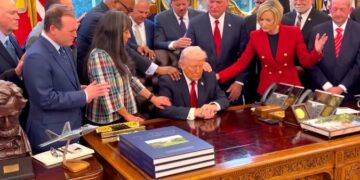
A source familiar with the matter said Trump’s son-in-law Jared Kushner was expected to participate in the discussions, alongside US Special Envoy Steve Witkoff and Iranian Foreign Minister Abbas Araqchi. Officials from several regional countries, including Pakistan, Saudi Arabia, Qatar, Egypt and the United Arab Emirates, were initially expected to attend; however, the regional source said Iran wanted the talks to remain strictly bilateral with Washington.
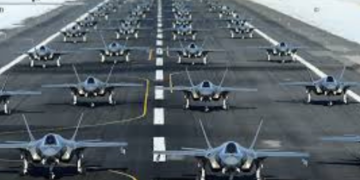
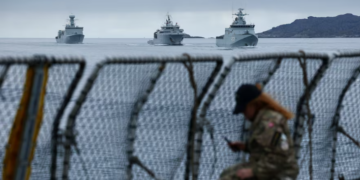
In June, the United States struck Iranian nuclear sites at the end of a 12-day Israeli air campaign. Since then, the US has increased its naval presence in the region following Iran’s violent crackdown on anti-government protests last month, the deadliest since the 1979 revolution.
Although Trump ultimately refrained from direct intervention, he has since demanded nuclear concessions from Iran and ordered additional naval deployments near its coastline. A regional official said the primary aim of the diplomatic push is to prevent conflict and ease tensions.
According to Iranian sources, Trump set three conditions for restarting talks: zero uranium enrichment, restrictions on Iran’s ballistic missile programme, and an end to Tehran’s support for regional allies. Iran has rejected all three demands as violations of its sovereignty, though Iranian officials told Reuters that missile limitations, rather than uranium enrichment, pose the greatest hurdle.
Tehran has said that following US strikes in June, its uranium enrichment activities which it insists are for peaceful purposes have stopped.
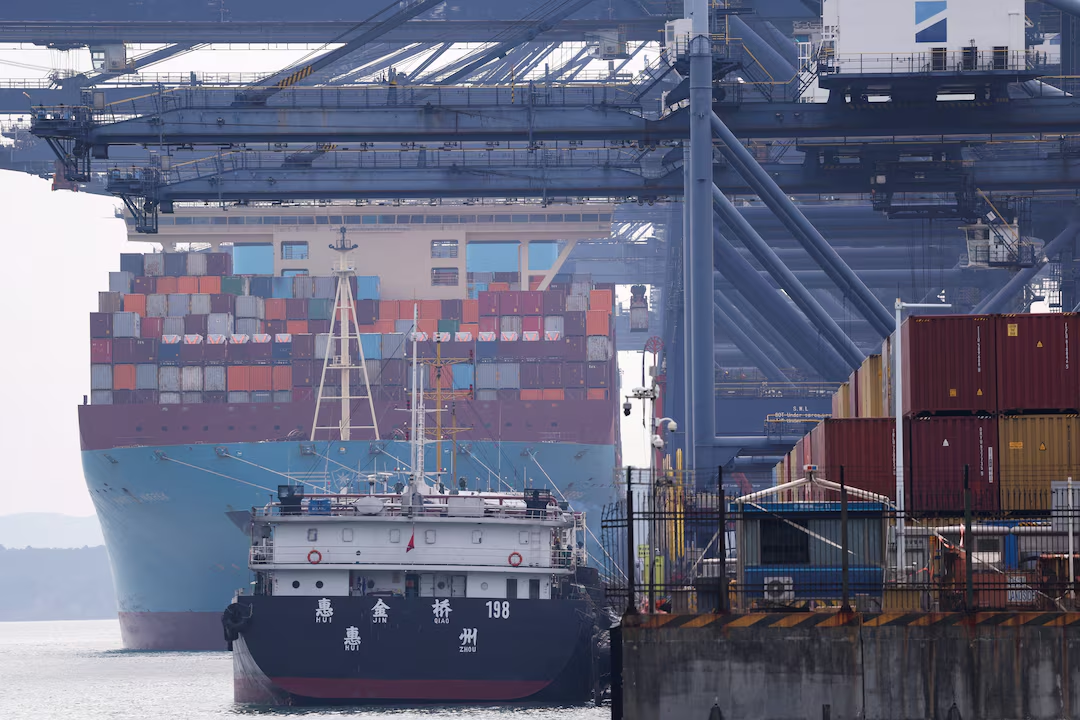
In a separate incident on Tuesday, US Central Command said Iran’s Islamic Revolutionary Guard Corps boats rapidly approached a US-flagged tanker in the Strait of Hormuz and threatened to seize it. Maritime risk firm Vanguard reported that the vessels ordered the tanker to shut down its engine and prepare for boarding, but the ship instead accelerated and continued on its route.