





























































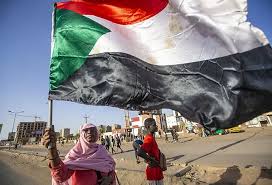
Web Desk (MNN); Attacks by Sudan’s army and its paramilitary rival, the Rapid Support Forces (RSF), on two towns in the western Darfur region over the past week have killed at least 114 people, medical sources told AFP on Sunday.

Sudan has been engulfed in a brutal conflict since April 2023, pitting the national army against the RSF. In October, the RSF captured the army’s last major stronghold in Darfur and has since expanded its operations westward toward the Chadian border and eastward across the vast Kordofan region.
A medical source said that 51 people were killed on Saturday in drone strikes blamed on the army in the North Darfur town of Al-Zuruq, located about 180 kilometres north of El-Fashir, the provincial capital currently under RSF control. The strikes reportedly hit a market and nearby civilian neighbourhoods.
Al-Zuruq is known to house relatives of RSF commander Mohamed Hamdan Daglo. An eyewitness told AFP that two members of the Daglo family were among those killed.
Both the army and the RSF have repeatedly been accused of targeting civilian areas in what the United Nations has described as a “war of atrocities”.
Meanwhile, RSF fighters advancing westward toward Chad killed at least 63 people in and around the town of Kernoi last week, according to a medical source at the local hospital. At least 57 others were injured, while 17 people remain missing, local sources said.
The Darfur region remains largely inaccessible to journalists due to ongoing fighting and a prolonged communications blackout, forcing local volunteers and medics to rely on satellite internet to report developments.
The United Nations said more than 7,000 people were displaced in just two days last month from Kernoi and nearby Um Baru village. Many of the displaced belong to the Zaghawa community, which has been repeatedly targeted by the RSF and whose members are fighting alongside the army as part of the Joint Forces.
The violence has also intensified in Kordofan, Sudan’s oil-rich southern region. Drone strikes on the North Kordofan capital, El-Obeid, caused a major power outage after a power station was set ablaze, according to the national electricity company.
Since the conflict began, tens of thousands of people have been killed and millions displaced. More than 11 million people have fled their homes, many facing severe shortages of food, medicine and clean water, as the humanitarian crisis deepens across Sudan.