













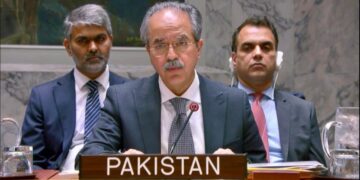























UNITED NATIONS: Pakistan adopted a carefully measured stance during a tense meeting of the United Nations Security Council, condemning attacks on Iran while also expressing solidarity with Gulf nations and calling for an urgent return to dialogue and diplomacy.

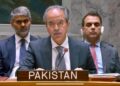
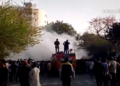
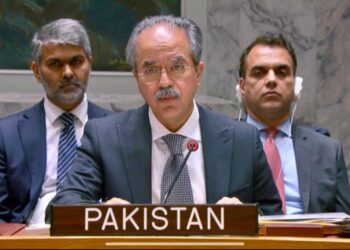
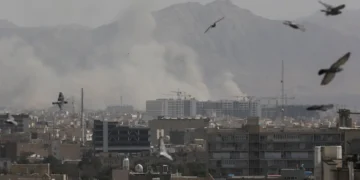
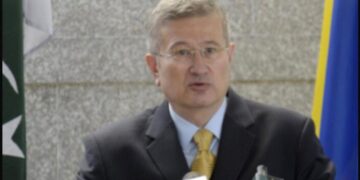
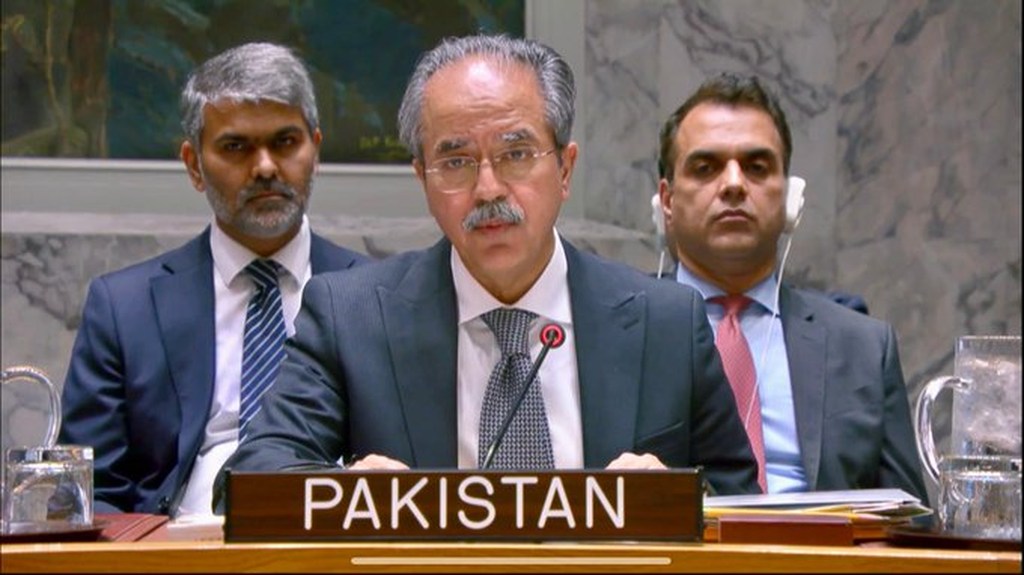
The emergency session reviewed the fallout from reported US and Israeli air strikes on Iran, exposing sharp divisions among members of the 15-nation Council. Addressing the meeting, Pakistan’s Permanent Representative to the UN, Asim Iftikhar Ahmad, conveyed Islamabad’s increasing concern as tensions in the Middle East continue to intensify.
“Pakistan condemns the initiation of unwarranted attacks against the Islamic Republic of Iran, in violation of international law,” the ambassador said.
At the same time, he emphasised that Pakistan also “condemns the attacks against the Kingdom of Saudi Arabia, Bahrain, Jordan, Kuwait, Qatar and the United Arab Emirates, and stands in solidarity with all these brotherly countries.”
He cautioned that such developments, occurring while diplomatic efforts were underway, could “undermine the peace and stability of the entire region, with far-reaching consequences.”
Ambassador Ahmad highlighted that Pakistan’s concerns go beyond any single country, focusing instead on the broader security framework of the Gulf — a region hosting millions of Pakistani expatriates and maintaining strong political, economic and security links with Islamabad.
By condemning violence on both sides, Pakistan demonstrated the delicate diplomatic balance it seeks to maintain. Islamabad aims to preserve relations with neighbouring Iran while also sustaining close ties with Gulf partners that are vital to Pakistan’s economy and diaspora.
Reinforcing this approach, the envoy underscored the importance of mediation and negotiations. “We particularly laud Oman’s role in facilitating and mediating dialogue between Iran and the United States,” he said, signalling Pakistan’s support for diplomatic engagement over military confrontation.
He further noted that “diplomacy has once again been derailed as these attacks have happened right in the middle of negotiations,” warning that “these military actions undermine dialogue and further erode trust that was already in short supply.”
Pakistan also framed its position through international law. The ambassador reminded the Council that “the purposes and principles of the United Nations Charter are inviolable and sacrosanct,” stressing that the Charter “prohibits the threat or use of force against the territorial integrity or political independence of states.”
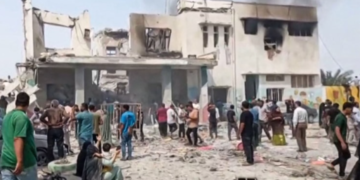
At a humanitarian level, Islamabad expressed sympathy for civilians affected by the escalation. Ambassador Ahmad offered condolences to “civilians caught in the middle of these violent acts,” specifically referring to “school children in Iran” and the family of a Pakistani national killed in the United Arab Emirates.
He also warned of broader risks, stating, “We are deeply alarmed at the risk of regional conflagration,” adding that the “safety and well-being of millions of our compatriots in the countries of the region is also our top priority.”
Concluding his remarks, the ambassador delivered Pakistan’s central message: “Pakistan calls on all sides to immediately halt escalation and urgently resume diplomacy with a view to achieving a peaceful, negotiated resolution to the crisis.”
Whether Islamabad can sustain this careful diplomatic balance will depend not only on its own engagement but also on whether regional actors step back from further escalation.