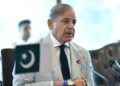
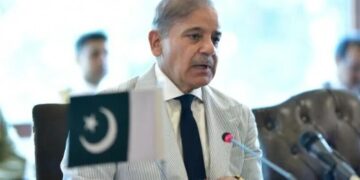












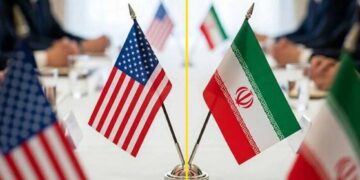











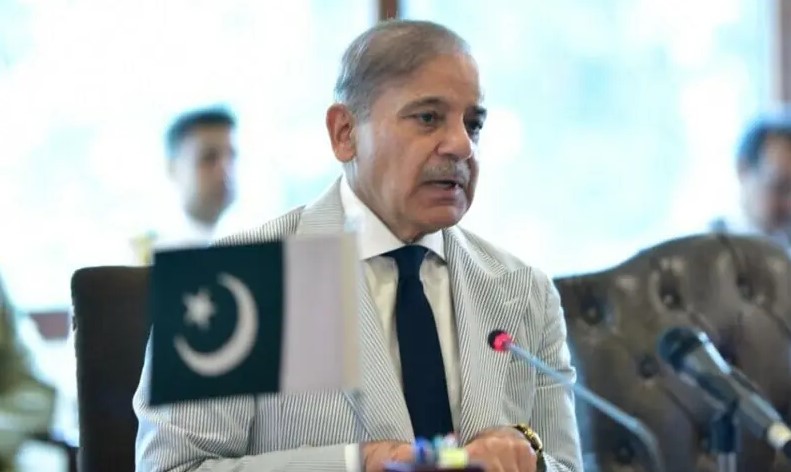
ISLAMABAD (MNN); Prime Minister Shehbaz Sharif on Tuesday announced that Pakistan is “ready and honoured” to host meaningful and result-oriented talks between the United States and Iran, as efforts to de-escalate tensions in the Middle East gather pace.

In a statement shared on social media platform X, the premier reaffirmed Pakistan’s support for diplomatic engagement, saying the country backs all initiatives aimed at ending the ongoing conflict and restoring regional stability.
He added that, subject to agreement by both Washington and Tehran, Pakistan is fully prepared to facilitate comprehensive negotiations that could lead to a lasting resolution of the crisis.
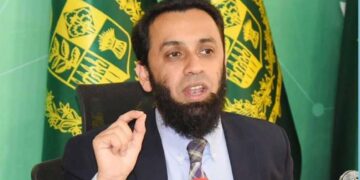
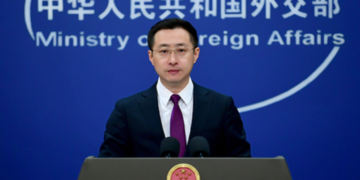
The prime minister’s remarks came shortly after the Foreign Office of Pakistan urged caution, advising media outlets to avoid speculation regarding Islamabad’s possible role as a venue for talks. Spokesperson Tahir Andrabi emphasized that diplomatic processes often require discretion and that official confirmations should be awaited.
A day earlier, Andrabi reiterated that Pakistan has consistently supported dialogue and remains open to hosting negotiations if both parties express willingness.
Speculation about Islamabad’s potential role gained momentum after international media outlets, including Reuters and Axios, reported that Pakistan could serve as a neutral venue for possible direct talks between US and Iranian officials in the coming days.
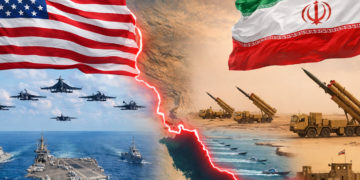
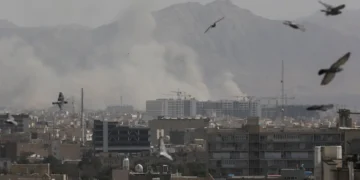
The diplomatic developments are unfolding against the backdrop of an intensifying conflict in the Middle East, now in its fourth week. The crisis began on February 28, when the United States and Israel launched coordinated strikes on Iran, triggering a broader regional escalation.
Pakistan has recently emerged as a key diplomatic player, joining Turkiye and Egypt in a coordinated effort to reduce tensions. Officials familiar with the matter described this initiative as a significant step beyond routine diplomacy, contributing to a temporary pause in US plans to target Iran’s energy infrastructure.
US President Donald Trump confirmed the pause, stating that Washington had held “productive conversations” with Tehran that could potentially lead to a complete resolution of hostilities. However, the halt in strikes remains conditional and limited, with clashes continuing in various parts of the region.
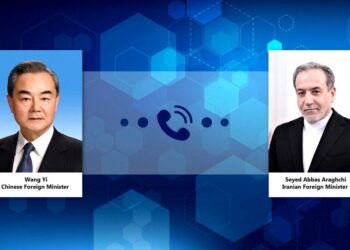
According to reports, senior officials from Pakistan, Turkiye, and Egypt maintained indirect communication channels between US Special Envoy Steve Witkoff and Iranian Foreign Minister Abbas Araghchi. These exchanges, though indirect, helped convey positions and explore possible pathways toward de-escalation.
Diplomatic sources indicated that discussions went beyond an immediate ceasefire and included broader issues such as reopening the Strait of Hormuz and outlining terms for a long-term settlement of the conflict.
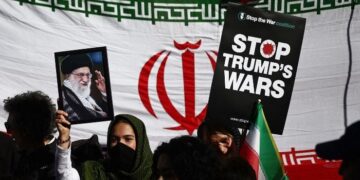
Iran, however, has publicly denied engaging in any direct or indirect negotiations with the United States. Iranian Foreign Ministry spokesperson Esmail Baghaei acknowledged that messages had been exchanged through friendly countries but stressed that Tehran’s stance remains based on its core principles.
Iran has outlined key conditions for any resolution, including guarantees against future military action by the US or Israel, compensation for damages, recognition of its rights, and a comprehensive regional framework, particularly regarding navigation through the Strait of Hormuz.
Despite Tehran’s denials, US officials believe that these indirect diplomatic contacts played a crucial role in creating conditions for the temporary pause in hostilities.
Sources in Pakistan highlighted the importance of quiet diplomacy, noting that behind-the-scenes engagement involving Witkoff and Araghchi demonstrated how discreet communication can contribute to global peace efforts.
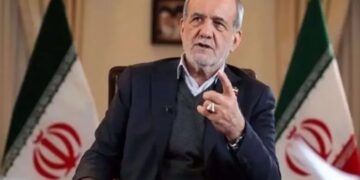
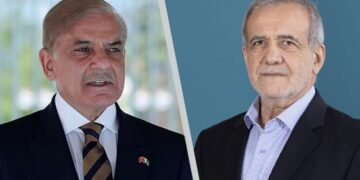
Meanwhile, Prime Minister Shehbaz Sharif also held a telephone conversation with Iranian President Masoud Pezeshkian, expressing deep concern over the ongoing conflict and stressing the urgent need for collective efforts to de-escalate tensions.
According to the Prime Minister’s Office, Shehbaz underscored the importance of unity among Muslim nations and reiterated Pakistan’s commitment to playing a constructive role in promoting peace and dialogue in the region.
The call, officially described as an exchange of Eid and Nowruz greetings, came at a time when diplomatic engagements among regional and global stakeholders have intensified significantly.
As tensions remain high, Pakistan’s offer to host talks signals its willingness to act as a bridge between rival sides, reinforcing its long-standing policy of promoting dialogue over confrontation.