





































































WASHINGTON: Global oil prices dropped sharply on Wednesday, retreating from the previous session’s surge, after signs of potential de-escalation emerged in tensions between the United States and Iran.

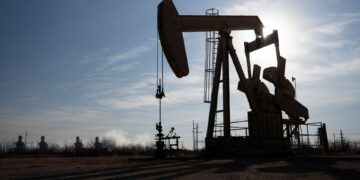
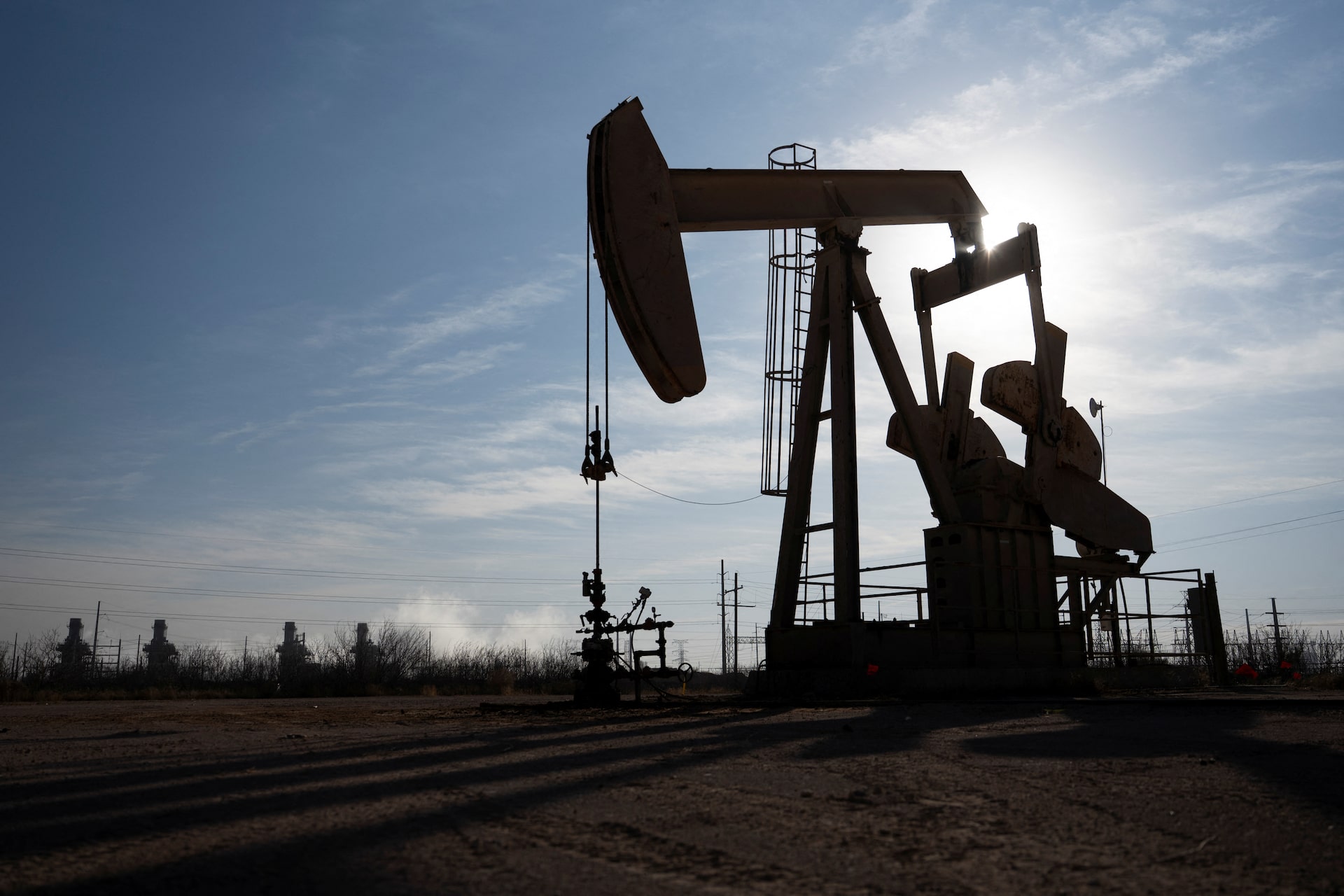
Brent crude, the global benchmark, fell nearly 6% to $98.30 per barrel, while US benchmark West Texas Intermediate (WTI) declined by 5.01% to $87.72 in early trading. The decline followed reports that President Trump had sent a peace proposal to Iran, expressing optimism about ending nearly a month-long conflict.
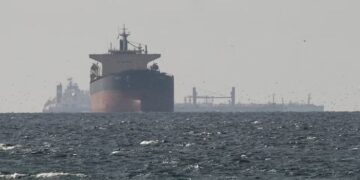
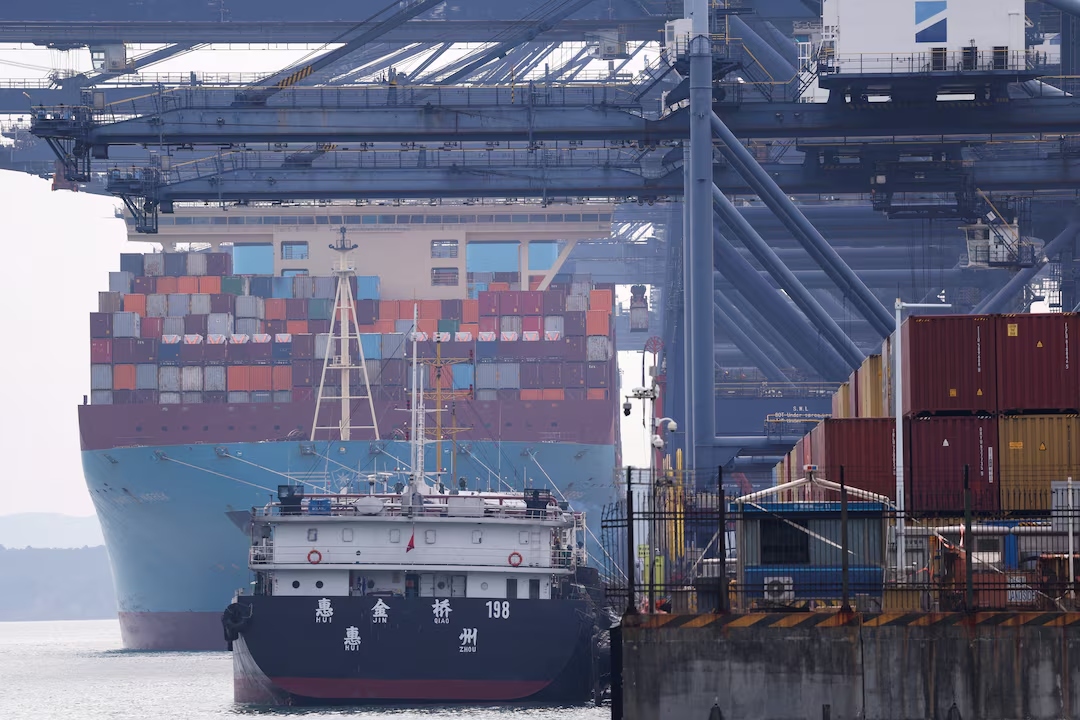
In a positive signal, Tehran indicated that “non-hostile” vessels would be allowed safe passage through the strategic Strait of Hormuz—a critical chokepoint for about one-fifth of the world’s oil supply. Investor sentiment improved across Asian markets, with Japan’s Nikkei and South Korea’s Kospi indices both rising over 3% amid hopes of reduced geopolitical risk.
Despite ongoing hostilities—including reported missile strikes and continued military activity—markets reacted strongly to the possibility of diplomatic progress. Traders turned cautious, reassessing earlier fears of prolonged disruption to global oil supplies.
Speaking at the White House, Trump hinted at a breakthrough, referring to a “significant gesture” from Iran linked to developments in the Strait of Hormuz, though he did not provide specific details. He added that the US was “in negotiations right now,” although Tehran has not officially confirmed any formal talks.
Shortly after, Iran communicated through the International Maritime Organization that safe transit would be ensured for vessels not deemed hostile. While Iran had earlier suggested it would avoid targeting friendly nations, many shipping operators had remained hesitant due to heightened risks and insurance concerns. The latest developments suggest a potential easing of tensions, though uncertainty remains as diplomatic efforts continue alongside sporadic conflict.