









































































ISLAMABAD: The world continues to waste food at an alarming rate, with more than one billion tonnes of edible food discarded annually nearly one-fifth of what is available to consumers. This widespread waste not only harms the environment but also weakens food security, climate resilience, and progress toward a sustainable, circular economy.

The International Day of Zero Waste is being marked on Monday, focusing on the theme “Food – what we eat, what we waste, and how we can move towards a more circular future”. Despite widespread hunger affecting millions, about 13 per cent of food is lost before it even reaches retailers, according to the United Nations Environment Programme.
Data shows that in 2022 alone, approximately 1.05 billion tonnes of food were wasted across households, food services, and retail sectors. This equals around 132 kilograms per person annually, with households accounting for 79 kilograms per capita.
In its campaign brief, UNEP stressed, “Zero waste starts on your plate”, estimating that food loss and waste cost the global economy nearly $1 trillion each year. It also noted that up to 14 per cent of methane emissions come from food waste, largely due to decomposing organic material.
Over One Billion Tonnes Wasted Annually
Addressing the issue, Inger Andersen highlighted the broader consequences. Food loss and waste contribute between 8 and 10 per cent of global greenhouse gas emissions and are a significant source of methane, which is more than 80 times stronger than carbon dioxide in the short term. Reducing these emissions could help slow global warming by the middle of the century.
According to the United Nations, nearly 60 per cent of food waste occurs at the household level, while the rest largely stems from inefficiencies in food service and retail systems, including production, distribution, and consumption processes. Addressing the problem requires restructuring these systems and adopting a more efficient and resilient circular approach.
The UN also emphasized that governments can play a key role by incorporating food waste reduction into climate and biodiversity strategies, as well as policies related to agriculture, waste management, and urban planning. Businesses, on the other hand, can set clear reduction targets, embed them into sustainability commitments, and improve supply chain efficiency through innovation.
‘Waste need not rot’
Speaking during the campaign briefing, the UNEP chief called for stronger consumer awareness initiatives and food education programmes in schools. She also encouraged collaboration with the retail and hospitality sectors through discounting near-expiry items, improving inventory practices, and promoting zero-waste dining.
Additionally, she stressed the importance of reforming date-label systems to avoid confusion between “best before” and “use by” labels, along with adopting digital tools to better predict demand and manage stock.
“Organic waste represents between 30pc and 50pc of municipal waste, and in some countries up to 60pc,” Ms Andersen said.
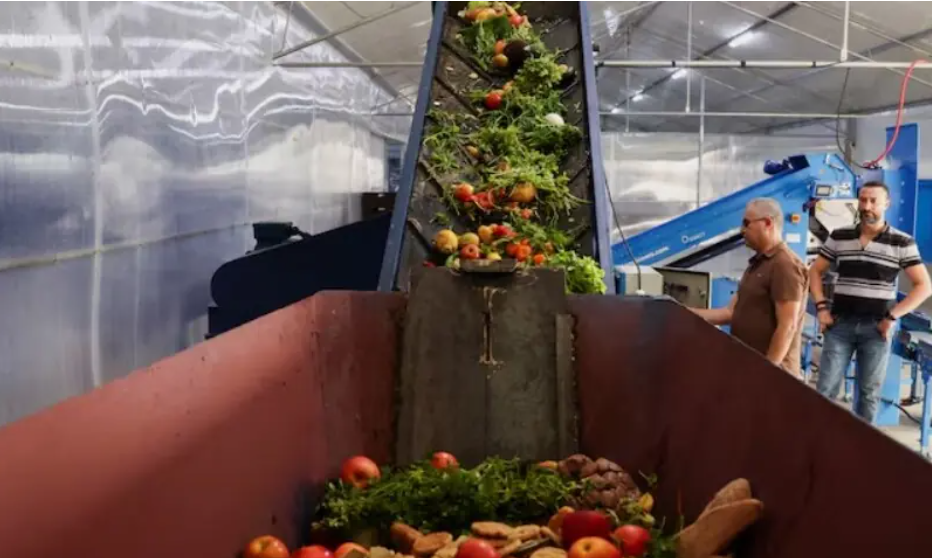
However, she noted that such waste can be repurposed rather than discarded, as it contains essential nutrients that support microbial activity and improve soil health.
“Once treated and composted, this organic waste can be fed back into the food system, boosting degraded soils and reducing farmers’ dependency on fertilisers, the price and availability of which are affected by global shocks, as seen with disruptions around the Strait of Hormuz, through which one-third of seaborne fertiliser trade passes, threatening access for some of the most vulnerable countries,” she elaborated.