
























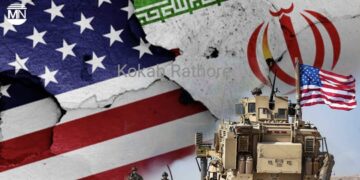
















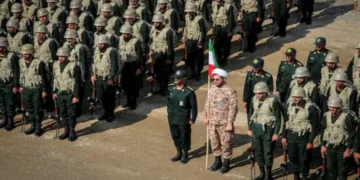










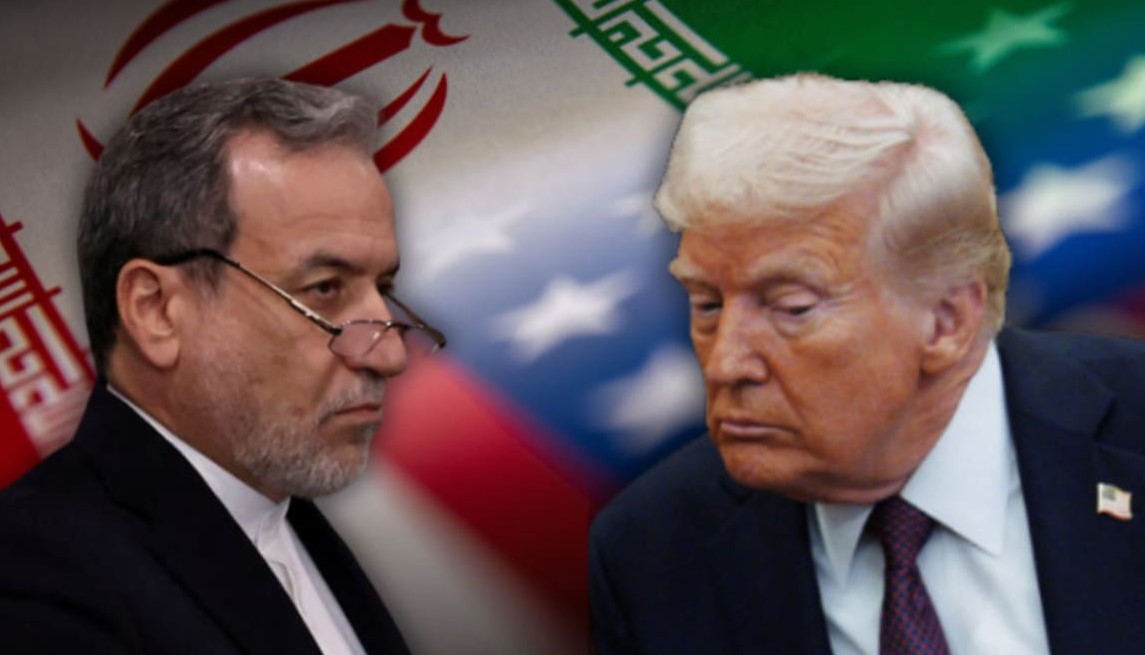
NEWS DESK (MNN); Iran has rejected a US proposal aimed at ending the ongoing US-Israel conflict, according to state-run Press TV, citing a senior political-security official.

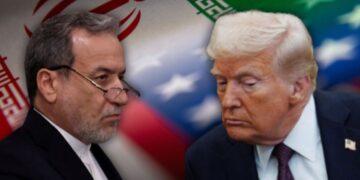
The report stated that Tehran responded negatively to the proposal and made it clear that US President Donald Trump would not be allowed to determine when the war ends.
The development follows reports that Pakistan conveyed a US proposal to Iran, while Pakistan or Türkiye could potentially host talks to ease tensions in the Gulf region.
According to the official, Iran will end the war on its own terms and only when its conditions are fulfilled. Tehran also reaffirmed its commitment to continue defensive operations and deliver “heavy blows” until its demands are met.
The report added that Washington has been seeking negotiations through various diplomatic channels, but Iran considers the US proposals unrealistic and disconnected from the battlefield situation.
Iran outlined five key conditions for ending the conflict, including:
- A complete halt to aggression and targeted killings
- Mechanisms to prevent future conflict
- Guaranteed compensation for war damages
- A comprehensive end to hostilities across all fronts and allied groups
- International recognition of Iran’s authority over the Strait of Hormuz
The official noted these demands are in addition to those presented during earlier talks in Geneva held shortly before renewed US-Israeli strikes on February 28.
Tehran has also informed mediators that any ceasefire depends on full acceptance of its conditions, stressing that no negotiations will take place otherwise. Iran reiterated that the war would end only when it decides—not according to Washington’s timeline.
Meanwhile, US media reported that Washington recently shared a peace plan with Iran after President Trump expressed optimism about ending the nearly month-long conflict.
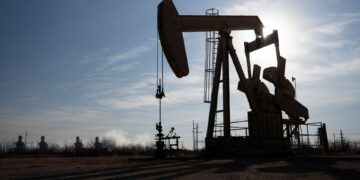
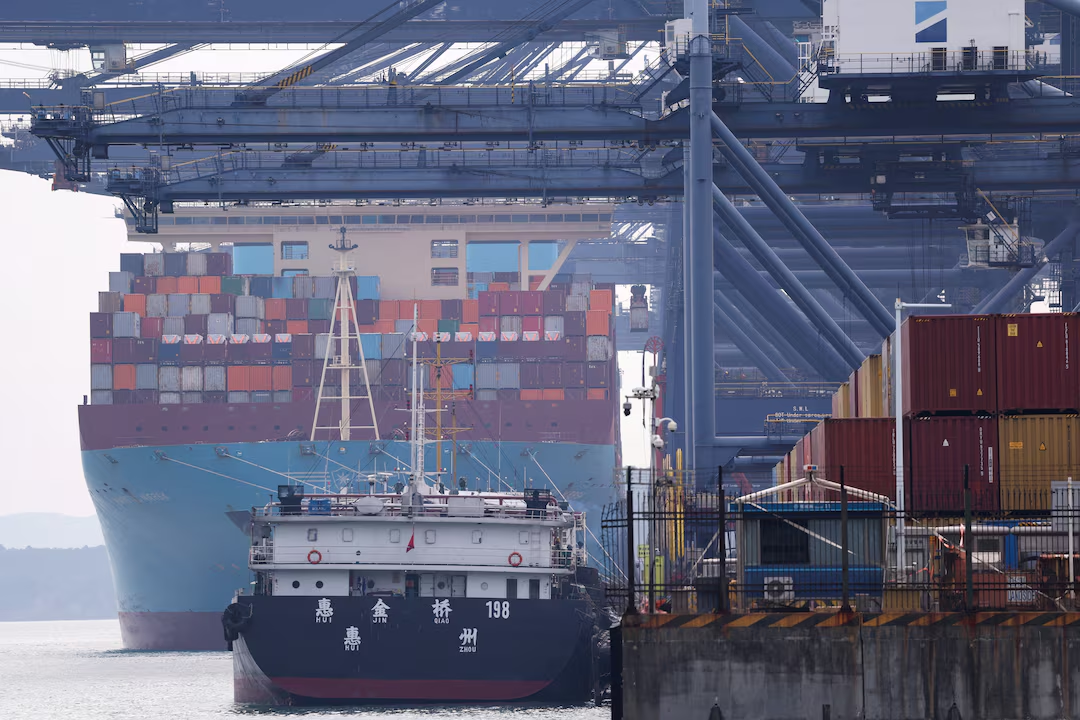
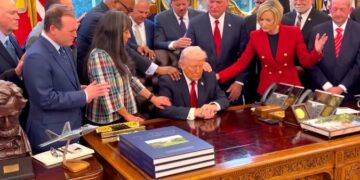
Speaking at the White House, Trump said the US is currently engaged in negotiations with Iran and hinted at a significant development related to the Strait of Hormuz, which Iran has largely blocked in response to US and Israeli strikes, impacting global energy markets.