
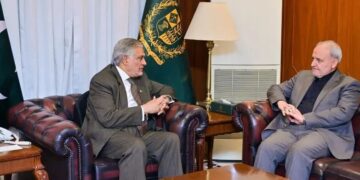








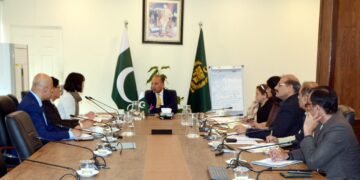


























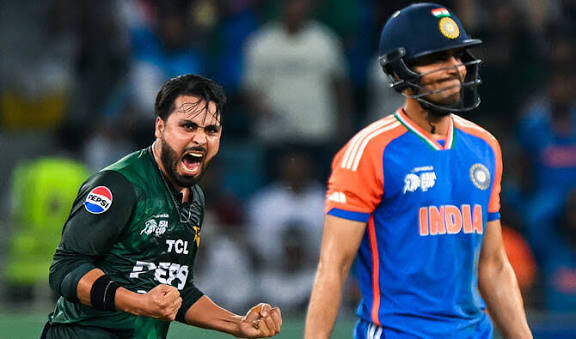
The International Cricket Council (ICC) has initiated behind-the-scenes negotiations after Pakistan announced it would boycott its high-profile T20 World Cup 2026 match against India scheduled for February 15 in Colombo. According to Indian media reports, ICC Deputy Chairman Imran Khwaja—who represents the Singapore Cricket Association and is considered a neutral figure—has been tasked with engaging the Pakistan Cricket Board (PCB) in quiet diplomacy to persuade them to reconsider their stance.

The controversy follows Pakistan’s government decision to participate in the tournament but refuse to play India as a show of solidarity with Bangladesh, which was removed from the event after requesting a venue change for its matches in India.
The Bangladesh Cricket Board had sought the shift after pacer Mustafizur Rahman was withdrawn from the IPL on BCCI’s instructions, a move that triggered backlash in Dhaka.
The ICC rejected Bangladesh’s request, saying it was too late to alter the schedule, and subsequently replaced them with Scotland. Pakistani officials have described the decision as evidence of bias within the ICC, alleging that its leadership—particularly chairman Jay Shah—has aligned too closely with the BCCI.In response, the ICC said it respects national governments’ positions but urged the PCB to find a “mutually acceptable solution,” warning that a boycott would damage the sport and disappoint millions of fans worldwide, including in Pakistan.
Beyond politics, the standoff carries major financial consequences. The India–Pakistan match is the tournament’s most lucrative fixture, valued at roughly $500 million when broadcast rights, sponsorships, advertising, and ticket sales are factored in.
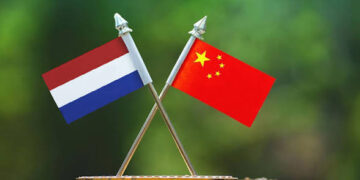
A 10-second ad slot during the game can fetch between INR 25–40 lakh, with projected advertising revenues alone around INR 300 crore. Indian broadcasters and the BCCI are reportedly bracing for losses of up to INR 200 crore if the match does not take place. Pakistan is placed in Group A alongside India, Namibia, Netherlands, and the USA, with all its matches set for Sri Lanka.
The team opens its campaign on February 7 against the Netherlands, followed by games against the USA on February 10 and Namibia on February 18.