









































































Reuters: Germany’s plan to build a €10 billion military satellite network independent of a parallel European Union programme has raised concerns among EU lawmakers about duplication, fragmentation, and rising costs.

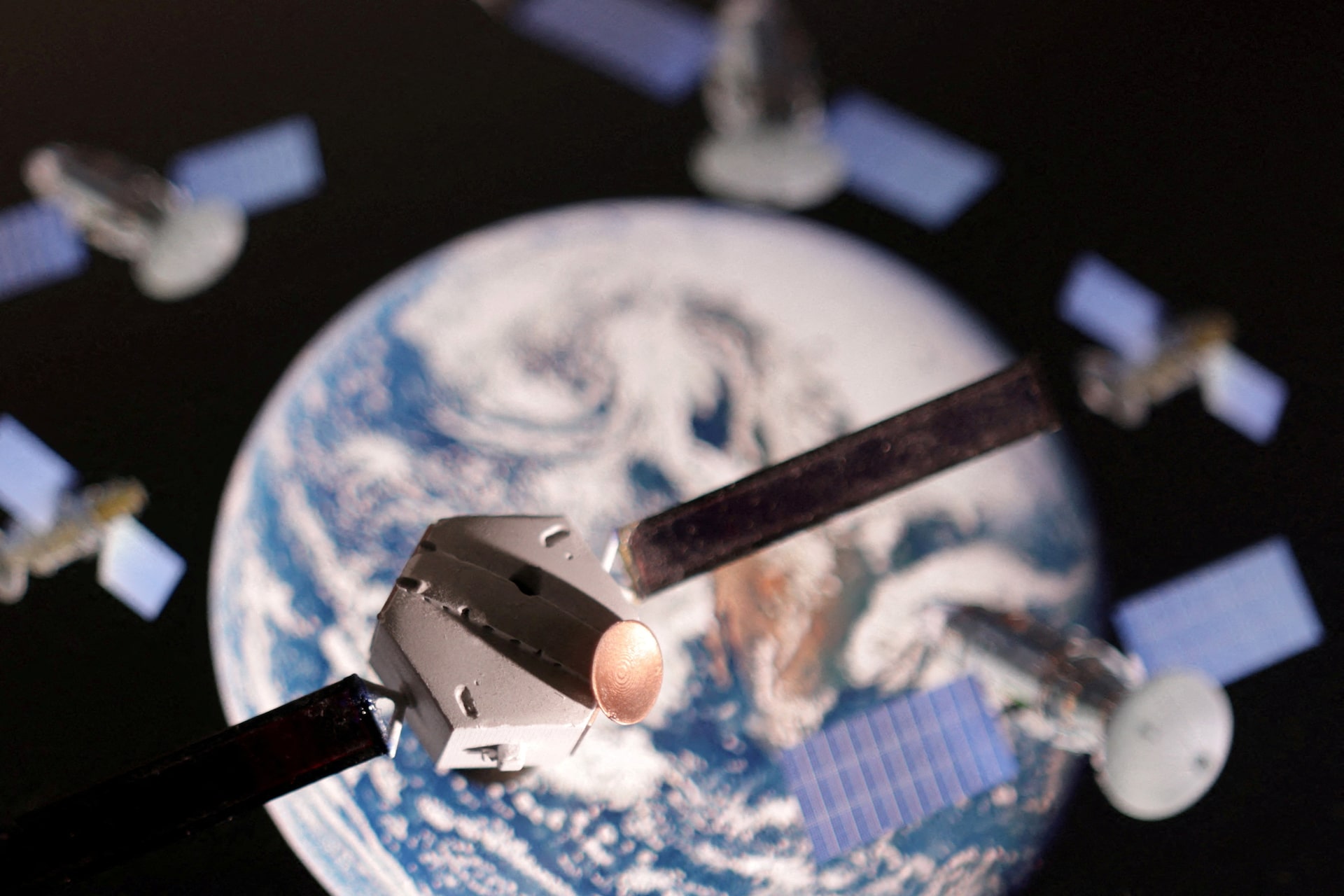
Berlin is considering collaboration with Rheinmetall, OHB, and Airbus for a national system of around 100 low-Earth-orbit (LEO) satellites dedicated to military communications. This would exist alongside the EU’s €10.6 billion IRIS² project, which aims to deploy about 290 satellites by 2029 to create a unified space-based communication network.
EU officials warn that Germany’s standalone approach could weaken collective defence efforts, especially as Europe adapts to a reduced reliance on the United States under Donald Trump. Critics argue that parallel systems may lead to fragmented standards, duplication of infrastructure, and reduced strategic efficiency.
Supporters of the German plan, however, say a national system would better meet specific military requirements and ensure operational independence. Some also argue that redundancy is essential for security, given the risk of satellite disruption in modern warfare.
The debate highlights broader tensions within the EU over balancing national sovereignty with collective defence integration. While countries like Italy are also exploring similar systems, concerns remain over costs, efficiency, and the long-term coherence of Europe’s defence strategy.
The IRIS² project is expected to be fully operational in the 2030s, prompting calls for faster progress as security challenges continue to grow.