























































ISLAMABAD: Afghan nationals returning from Iran and Pakistan are confronting markedly different challenges upon their return, according to UNHCR’s “Afghanistan Post-Return Monitoring Survey Report”. The report finds that returnees from Iran generally have higher levels of education, better food security, and more stable housing compared to those returning from Pakistan.

In contrast, Afghans returning from Pakistan face acute economic hardship, with heavy reliance on daily wage labour, widespread indebtedness, and difficulty meeting basic needs such as rent and food. While returnees from Iran were less likely to be engaged in income-generating employment, they more frequently cited barriers to girls’ education, largely due to restrictive policies and laws.
Those returning from Pakistan—particularly after April 2025—reported more opportunities for casual work but struggled significantly with rising living costs and reduced access to cash assistance.
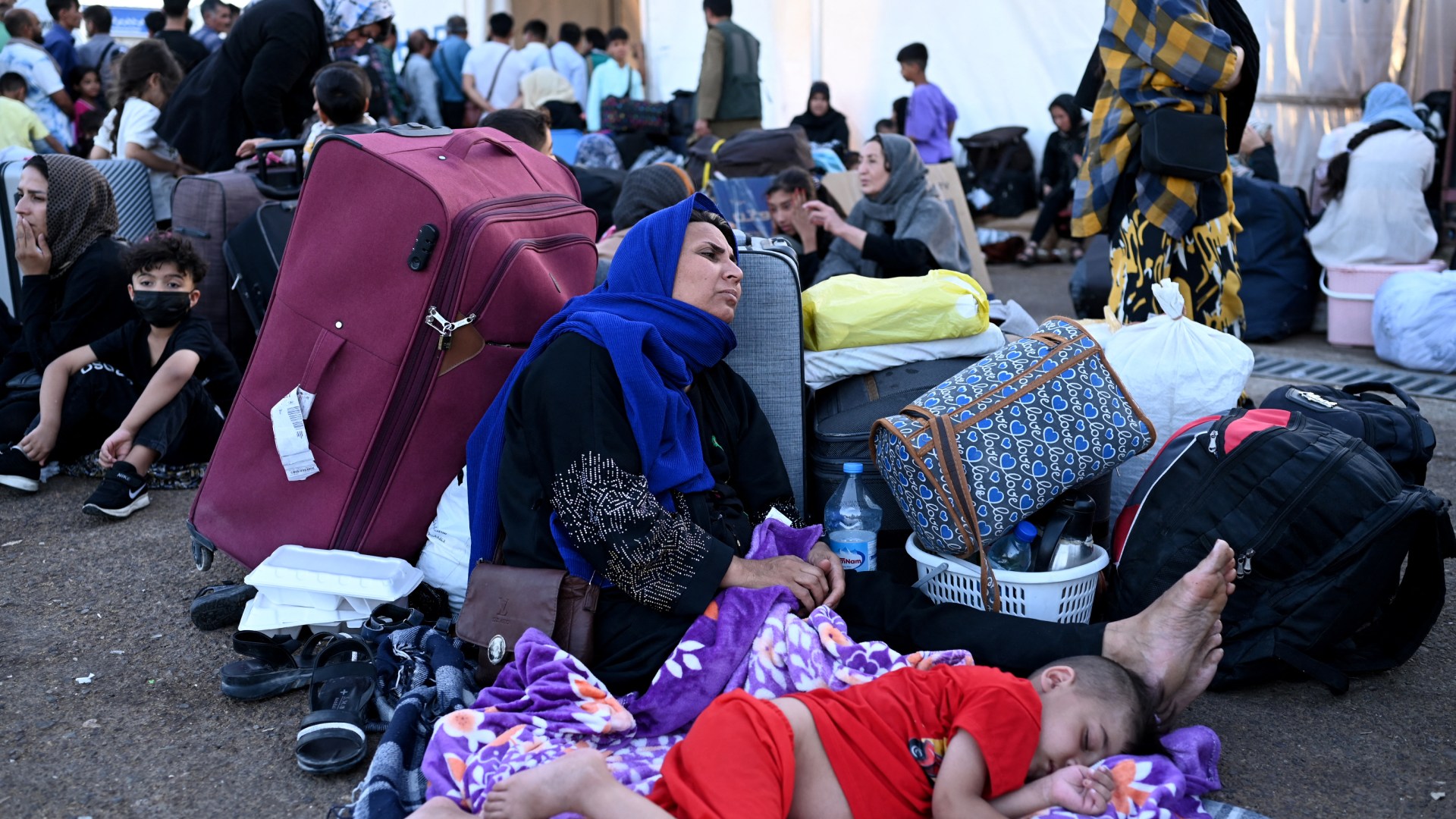
Across all groups, returnees are settling in fragile areas marked by deepening poverty and limited access to essential services. Many are unable to return to their places of origin due to the absence of shelter, land, or livelihood opportunities. More than half of surveyed households reported lacking essential civil documentation, restricting access to education, healthcare, housing, and other basic services.
Education remains severely constrained for women and girls nationwide. Returnees from Iran most often identified legal and policy restrictions as the primary obstacle, while those from Pakistan pointed to economic barriers. Access to healthcare is similarly limited by high costs, distance to facilities, and medicine shortages, with women disproportionately affected due to movement restrictions.
Debt remains pervasive among returnee households. Nearly 88 per cent reported living in debt, a slight decrease from 2024, with households averaging six members. Debt levels were highest in Nangarhar province, where 96 per cent of returnees reported financial distress. Returnees from Iran were marginally less likely to be indebted than those from Pakistan, while little difference was observed between female-headed and male-headed households. Almost all indebted families said their debts exceeded their monthly income, underscoring unsustainable financial pressures that hinder reintegration.
In August 2025, UNHCR expanded its monitoring to include returnees from Iran for the first time, alongside those from Pakistan. This survey round is based on interviews with 1,658 returnee households and introduces two new data sets for Pakistan returnees—those who returned before April 2025 and those who returned after cash assistance was reduced due to funding shortfalls. The survey also includes undocumented returnees, enabling comparisons between those with and without refugee documentation in countries of asylum.
According to UNHCR, Afghanistan experienced massive return movements in 2025, with an estimated 2.7 million returns between January and November. Many of these returns occurred under duress, driven by policy changes and deteriorating conditions for Afghans in neighbouring countries, particularly Pakistan and Iran. The abrupt nature of these returns often led to difficult journeys and limited preparation for reintegration. Food insecurity remains critical despite modest improvements, with returnees from Pakistan disproportionately affected. Disparities are also evident in shelter, water, and education access. Recent returnees from Pakistan are more likely to rent housing and struggle to afford rent, while those from Iran more often own or inherit homes. Access to safe water and sanitation is also more limited among returnees from Pakistan.
UNHCR says the findings underscore the urgency of sustained, multisectoral support tailored to the distinct profiles and vulnerabilities of returnees from Iran and Pakistan. Assistance must combine immediate and medium-term cash support with livelihood opportunities, durable housing solutions, improved water and health infrastructure, and access to civil documentation.
Targeted interventions are particularly critical for the most vulnerable groups, including female-headed households and people with disabilities. Continued, disaggregated post-return monitoring is essential to track evolving needs, adapt programming, and ensure that reintegration efforts lead to lasting stability and protection.