













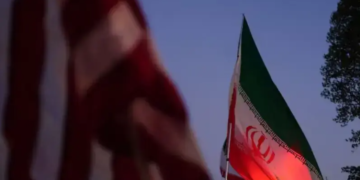


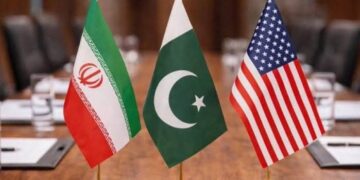
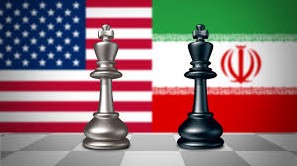











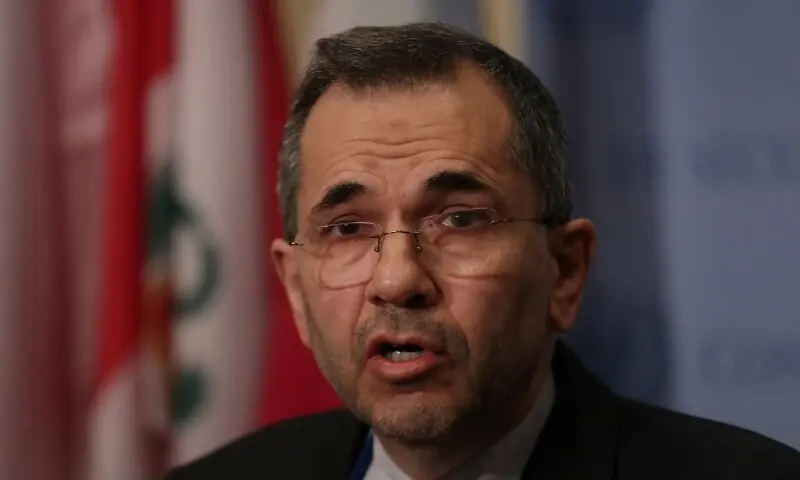
TEHRAN (MNN); Iran is pursuing a nuclear agreement with the United States that ensures economic gains for both sides, an Iranian diplomat said on Sunday, ahead of a second round of negotiations between Tehran and Washington.

The renewed dialogue aims to address the longstanding dispute over Iran’s nuclear programme and prevent a potential military escalation. Talks between the two sides resumed earlier this month amid rising regional tensions.
According to the semi-official Fars news agency, Deputy Foreign Minister for Economic Diplomacy Hamid Ghanbari stated that for any agreement to be sustainable, the United States must also benefit economically. He noted that areas such as joint oil and gas projects, mining investments and aircraft purchases are part of the discussions. He argued that the 2015 nuclear accord did not sufficiently safeguard US economic interests.
The 2015 agreement, formally known as the Joint Comprehensive Plan of Action (JCPOA), was abandoned by former US President Donald Trump in 2018, when Washington withdrew and reinstated sweeping sanctions on Tehran.
US Secretary of State Marco Rubio, speaking in Bratislava, said President Trump preferred diplomacy and a negotiated settlement. “No one has ever managed to secure a successful deal with Iran, but we are willing to try,” he remarked.
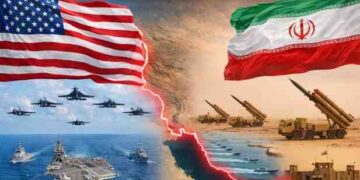
Meanwhile, US officials told Reuters that Washington has deployed a second aircraft carrier to the region and is preparing contingency plans should diplomacy fail. Iran has warned it would retaliate against any military action but struck a more conciliatory tone on Sunday.
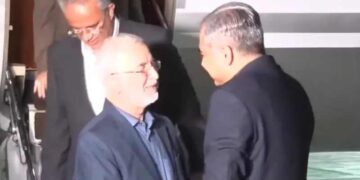
Sources revealed that US envoys Steve Witkoff and Jared Kushner are expected to meet Iranian officials in Geneva this week. The meeting was later confirmed by a senior Iranian official.
Unlike the multilateral framework of the 2015 accord, current negotiations are limited to Iran and the United States, with Oman serving as mediator.
Deputy Foreign Minister Majid Takht-Ravanchi indicated Tehran’s willingness to show flexibility, suggesting Iran could dilute its highly enriched uranium in exchange for sanctions relief. However, he reiterated that Iran would not agree to zero uranium enrichment, a key sticking point in previous talks. Tehran maintains that its nuclear programme is for peaceful purposes.
Earlier this year, the US joined Israel in air strikes targeting Iranian nuclear facilities. Additionally, Washington is intensifying economic pressure. During a recent White House meeting, President Trump and Israeli Prime Minister Benjamin Netanyahu reportedly discussed reducing Iran’s oil exports to China, which accounts for more than 80 per cent of Tehran’s crude exports.
Any significant cut in oil trade with China could substantially impact Iran’s revenue, adding further pressure as negotiations continue.