












































































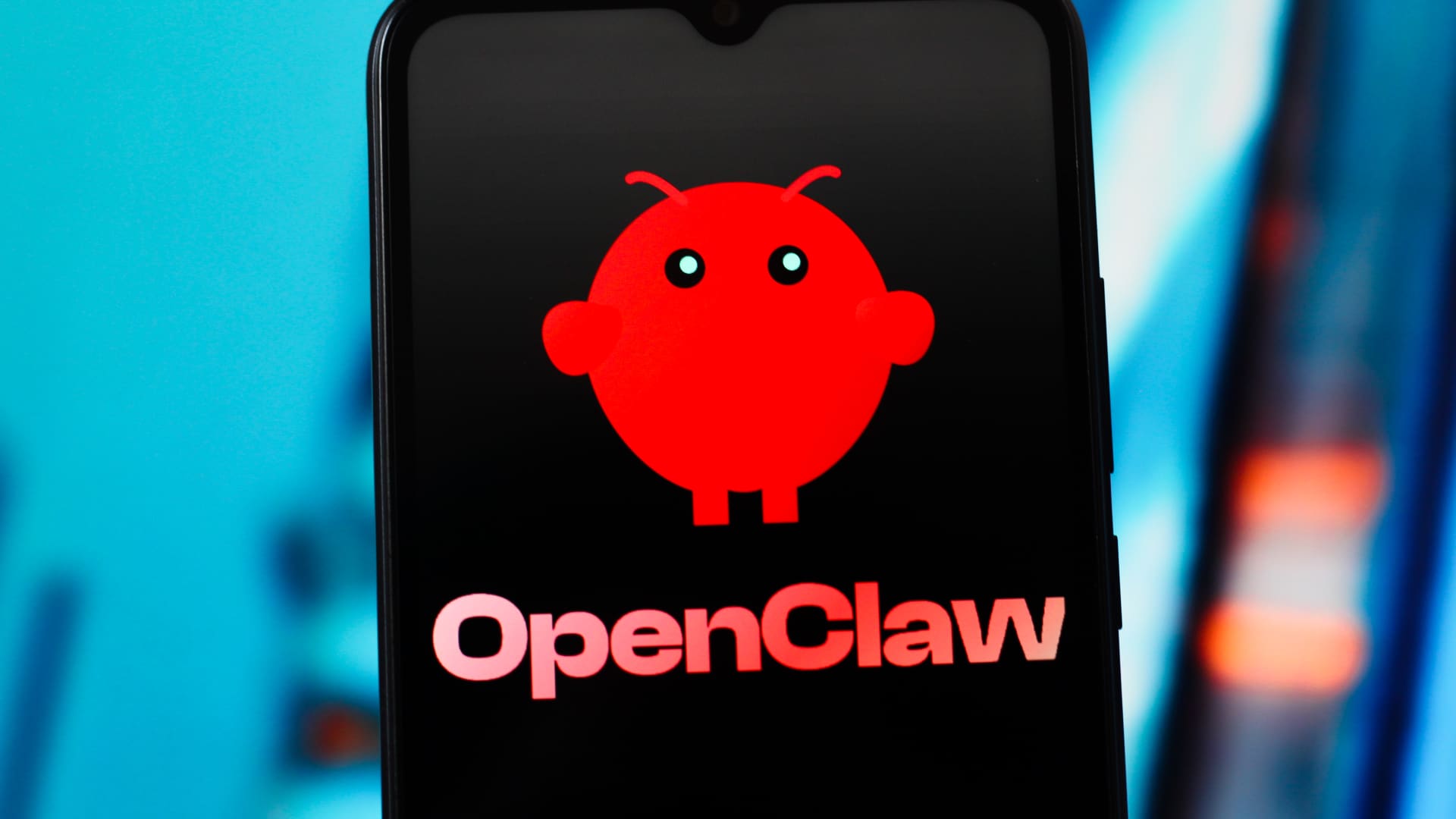
OpenClaw, an open-source AI agent designed to run directly on users’ devices, has become one of the most talked-about tools in the tech world. Unlike cloud-based assistants, this AI operates locally on personal computers, allowing it to manage tasks, interact with applications, and even communicate with other AI systems—raising both enthusiasm and concern among experts.

Originally known as Clawdbot and later Moltbot, the project was rebranded as OpenClaw after a legal dispute with Anthropic. What sets it apart from traditional AI assistants is its ability to actively perform actions rather than just respond to queries.
Users can connect it to messaging platforms such as WhatsApp, Telegram, Signal, Discord, and iMessage, giving it access to their digital workflows.Once set up, OpenClaw can handle everyday responsibilities like scheduling reminders, drafting emails, logging information, and even booking tickets.
Some users have integrated it with calendars, productivity tools, and health-tracking apps, allowing it to draw insights from multiple data sources without relying on external servers.However, this level of autonomy has raised serious security concerns. Because OpenClaw can access sensitive parts of a user’s system, a single misconfiguration could expose private messages, login credentials, or API keys.
A cybersecurity researcher recently demonstrated how certain setups could unintentionally leak personal data online, highlighting the risks of improper use.Despite these warnings, many users continue to experiment with the tool, and some tech leaders have embraced its potential. Matt Schlicht, CEO of Octane AI, created Moltbook—a Reddit-like platform designed exclusively for AI agents powered by OpenClaw.Moltbook allows AI bots to post content, comment, and engage in discussions via APIs rather than traditional web browsing.
More than 30,000 AI agents are reportedly active on the platform, with some posts gaining viral attention.
Developers are also finding creative applications for OpenClaw. For example, Federico Viticci of MacStories installed Moltbot on his M4 Mac Mini, enabling it to generate daily audio summaries based on his calendar, Notion notes, and Todoist tasks. Other users have experimented with personalization, prompting the AI to develop animated avatars or additional features on its own.
As OpenClaw continues to evolve, it represents both the promise and the risk of increasingly autonomous AI—capable of transforming productivity while demanding greater caution and responsibility from users.