





































































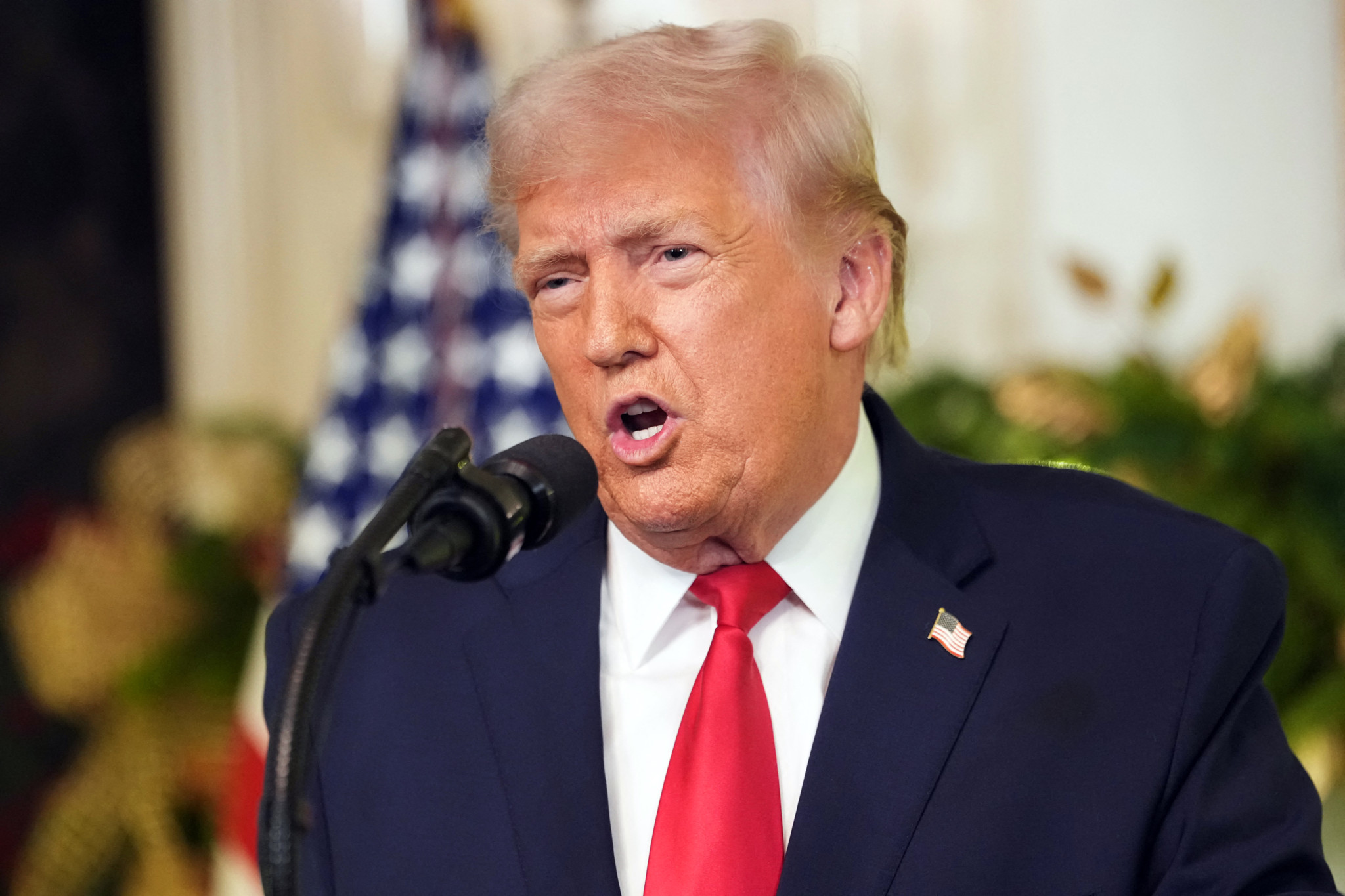
WASHINGTON: The Trump administration has officially announced a 25% tariff on selected artificial intelligence (AI) computing chips, marking a significant step in its strategy to boost domestic manufacturing and generate revenue. The tariffs specifically target advanced processors, including Nvidia’s H200 and AMD’s MI325X, as part of a national security directive issued by the White House.

According to the proclamation, “The United States currently fully manufactures only approximately 10 percent of the chips it requires, making it heavily reliant on foreign supply chains.” The move aims to create incentives for chipmakers to increase domestic semiconductor production.The White House clarified that the tariffs will be narrowly focused.
They will not apply to chips and derivative products imported for U.S. data centers, consumer applications, or public sector use.Concerns remain regarding which products containing the targeted chips will be affected, the specific tariff rates, and potential exemptions for certain countries or companies.
In a related development, the administration has required that China-bound chips from Taiwan be routed through the United States for testing at third-party labs. Chips entering the U.S. will be subject to the 25% tariff.This policy is part of a broader effort to overhaul the U.S. supply chain. Trump has previously introduced a range of tariffs to encourage American manufacturing, including 100% duties on branded pharmaceuticals, generating renewed trade uncertainty after a period of relative calm.
In April 2025, the administration launched investigations into the pharmaceutical and semiconductor sectors, citing national security risks from heavy dependence on foreign production. According to the White House fact sheet, the 25% tariffs on semiconductors will not be added on top of existing Section 232 tariffs, preventing cumulative duties.
Experts note that this represents a major shift in U.S. technology policy, moving away from outright import bans toward a “pay-to-play” model for advanced AI hardware, while signaling potential for broader tariffs on semiconductors and related products in the near future.