























































(Reuters): The United Arab Emirates said on Tuesday it had voluntarily ended the mission of its counterterrorism units in Yemen, following a comprehensive assessment of recent developments, according to the state news agency WAM.

In a statement shared in Arabic on X, the UAE defence ministry said the decision took into account evolving conditions and potential risks to the safety and effectiveness of its missions. It added that the UAE’s presence in Yemen had been limited to specialised personnel engaged in counterterrorism operations in coordination with international partners.
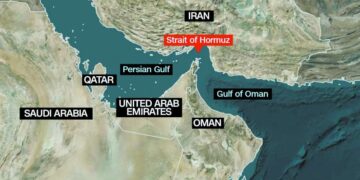
The announcement comes amid rising tensions with Saudi Arabia, after a Saudi-led coalition carried out an airstrike on the southern Yemeni port of Mukalla. The coalition said the strike targeted vehicles and cargo allegedly supplied by a foreign military to UAE-backed southern separatists.
Saudi Arabia also backed a call for UAE forces to leave Yemen within 24 hours. The UAE had been a key member of the Saudi-led coalition fighting Yemen’s Houthi movement since 2015. Although it began drawing down its troops in 2019, it remained involved through support for the Saudi-backed internationally recognised government.
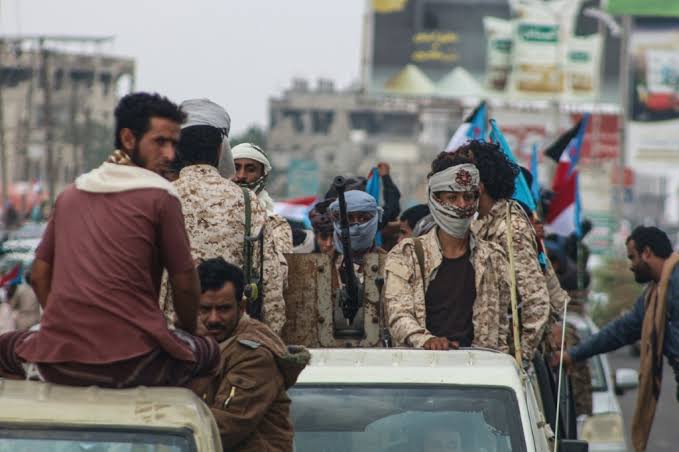
The Southern Transitional Council (STC), backed by the UAE, later pushed for self-rule in the south and this month launched a sudden offensive against Saudi-supported government forces. The advance broke years of stalemate, with the STC claiming broad control of southern Yemen.
Saudi Arabia warned the STC against military action in the eastern province of Hadramout and called for a withdrawal of its forces, a demand the STC rejected. Meanwhile, US Secretary of State Marco Rubio discussed the Yemen situation and wider regional security with Saudi Foreign Minister Prince Faisal bin Farhan Al Saud, the US State Department said.
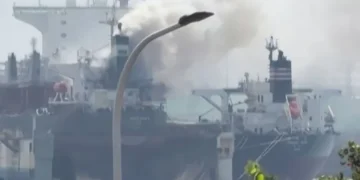
The Saudi-led coalition said the Mukalla port strike caused no casualties or collateral damage. Two sources told Reuters the strike hit a dock where cargo from two ships had been unloaded. Footage aired on Yemeni state television showed black smoke rising from the port and burned vehicles in the area. UAE-backed forces control large parts of southern Yemen, including the strategically important province of Hadramout, which borders Saudi Arabia and has deep cultural and historical ties to the kingdom. Yemen’s presidential council head, Rashad al-Alimi, imposed a 72-hour no-fly zone and a sea and land blockade on ports and crossings, with exemptions subject to coalition approval.
He also asked UAE forces to leave within 24 hours, cancelled a defence pact with Abu Dhabi, and accused the UAE of backing the STC against the authority of the state.“Unfortunately, it has been definitively confirmed that the UAE pressured and directed the STC to undermine and rebel against the authority of the state through military escalation,” Alimi said, according to Yemeni state media.
In response, the UAE foreign ministry said it was disappointed by Saudi Arabia’s statement on Yemen and expressed surprise at the airstrike. It said the shipment hit in Mukalla did not contain weapons and that the vehicles unloaded were intended for use by UAE forces, not for any Yemeni faction.
Saudi Arabia and the UAE are both major members of the OPEC oil exporters’ group, and any rift between them could complicate consensus on oil output policy. OPEC+ members are scheduled to meet online on Sunday, with delegates indicating no change to first-quarter production plans.