

















































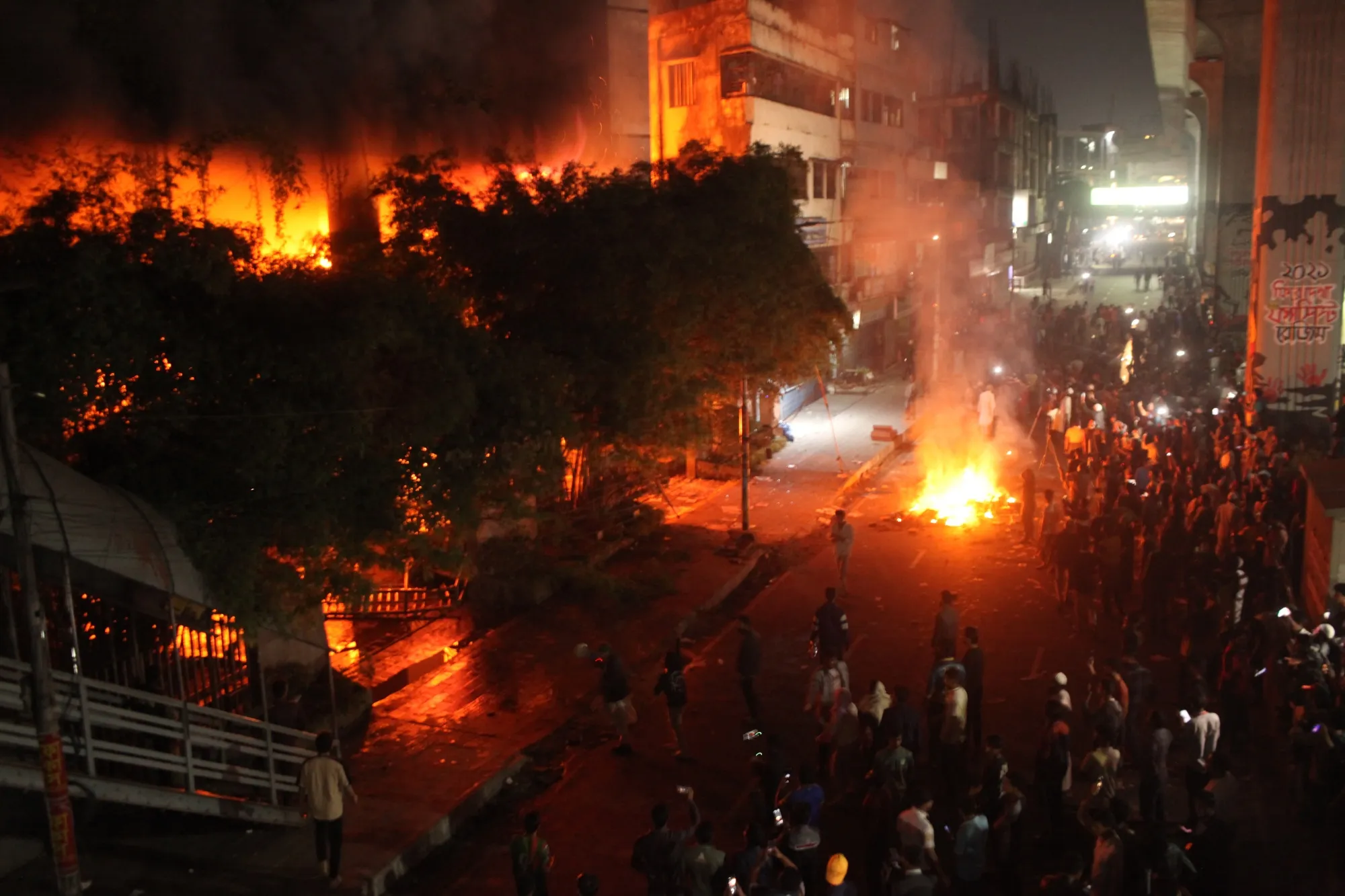
Violence broke out in Bangladesh’s capital early Friday after the death of Sharif Osman Hadi, a prominent youth leader of the country’s 2024 pro-democracy uprising, who had been critically wounded in an assassination attempt earlier this month.

Thousands of protesters poured onto the streets of Dhaka after news emerged that the 32-year-old had died at a hospital in Singapore, where he was being treated for gunshot wounds. Demonstrators demanded the immediate arrest of those responsible for his killing.
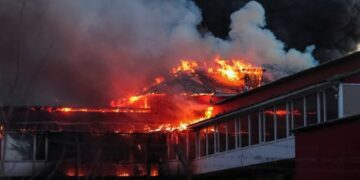
Authorities reported multiple incidents of arson across the capital, including fires at buildings housing the country’s two largest newspapers, “The Daily Star” and *”Prothom Alo”.
Several staff members were trapped inside the burning structures as protesters chanted slogans outside. Hadi was a key figure in last year’s uprising that ended the long-standing rule of former prime minister Sheikh Hasina, who fled to India. He was also preparing to contest a parliamentary seat in the February 2026 national election.
On December 12, Hadi was shot by masked assailants while leaving a mosque in Dhaka. He was airlifted to Singapore for advanced medical treatment but succumbed to his injuries on Thursday, according to Singaporean authorities.
At least three arson attacks were reported after news of his death spread, a spokesperson for the Fire Brigade and Civil Defence said. Protesters accused the targeted newspapers of being aligned with India, where Hasina remains in self-imposed exile.
A reporter for *The Daily Star*, Zyma Islam, said she was trapped inside the burning building. “I can’t breathe anymore. There’s too much smoke,” she wrote in a Facebook post. Firefighters later brought the blaze under control, though dozens of employees were still sheltering inside parts of the building.
Elsewhere, hundreds of protesters surrounded the residence of India’s deputy ambassador to Bangladesh, prompting police to disperse the crowd with tear gas. Demonstrations also led to the blocking of a major highway in Dhaka, attacks on the residence of a former minister in Chittagong, and vandalism at Chhayanaut, a prominent cultural institution.
In Dhaka, the interim government led by Nobel Peace Prize laureate Muhammad Yunus confirmed Hadi’s death, calling it “an irreparable loss to the nation.”“The country’s march toward democracy cannot be halted through fear, terror or bloodshed,” Yunus said in a televised address.
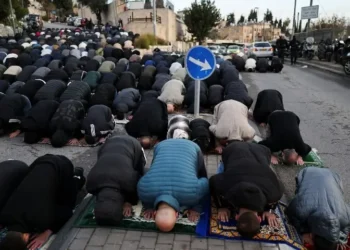
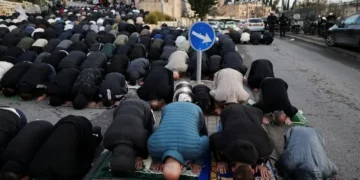
The government announced special prayers at mosques on Friday and declared a half-day of mourning on Saturday. Police have launched a nationwide manhunt for Hadi’s attackers, releasing images of two main suspects and offering a reward of five million taka (around $42,000) for information leading to their arrest.
Yunus described the shooting as a premeditated attempt by a powerful network to derail the upcoming election.
Bangladesh, home to around 170 million people, is set to elect 300 members of parliament in the February 12 vote, with an additional 50 seats reserved for women. The last election in January 2024, which handed Hasina a fourth consecutive term, was widely criticised by opposition parties. The Bangladesh Nationalist Party (BNP), led by former prime minister Khaleda Zia, is widely expected to perform strongly in the upcoming polls. Zia is currently in intensive care in Dhaka, while her son and political heir, Tarique Rahman, is due to return from exile in Britain on December 25.