




























































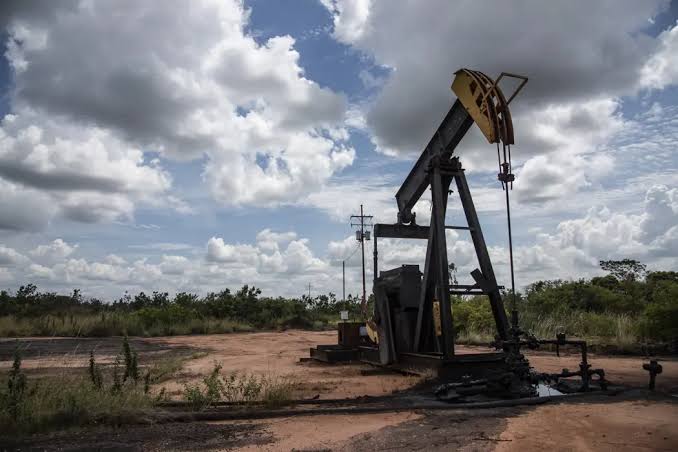
HOUSTON/WASHINGTON, (Reuters): Venezuela and the United States have reached an agreement that would allow the export of up to $2 billion worth of Venezuelan crude oil to the US, President Donald Trump said on Tuesday, in a move that could redirect supplies away from China and ease pressure on Venezuela’s oil sector.

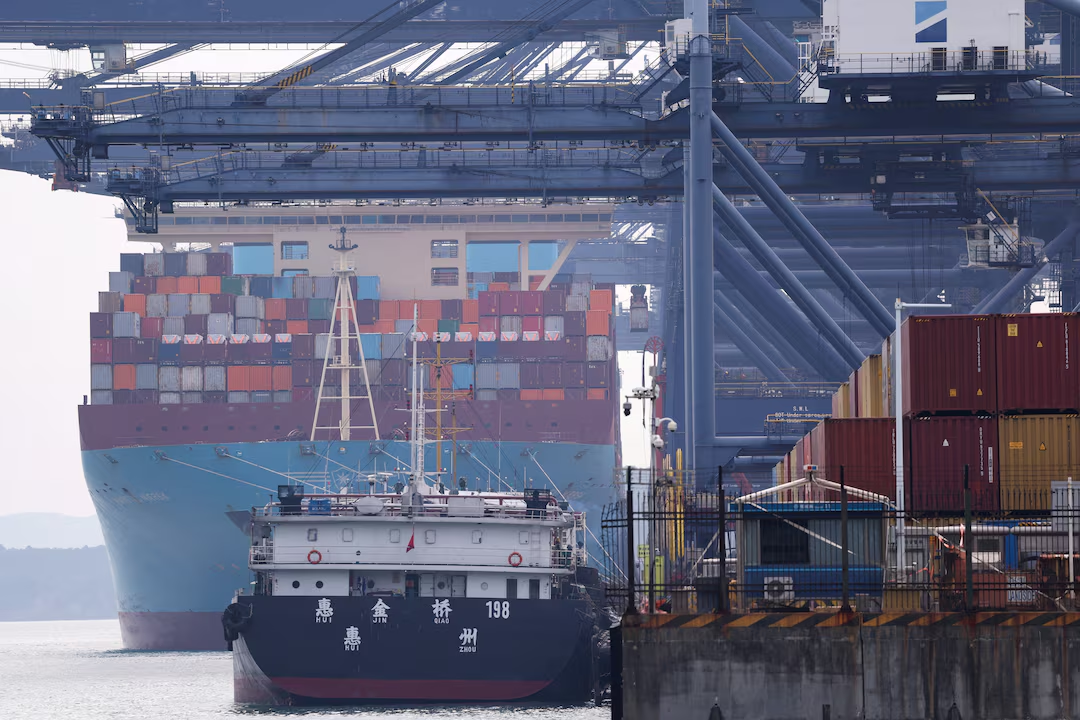
The deal follows weeks of heightened US pressure on Caracas, including an export blockade imposed in mid-December that left millions of barrels of Venezuelan oil stranded in storage tanks and on tankers. Trump said Venezuela would transfer between 30 million and 50 million barrels of what he described as “sanctioned oil” to the United States.“This oil will be sold at market price, and the proceeds will be controlled by me, as President of the United States, to ensure they benefit the people of Venezuela and the United States,” Trump said in a social media post. He added that US Energy Secretary Chris Wright would oversee execution of the agreement, with oil shipped directly to US ports.
The announcement comes after US forces captured Venezuelan President Nicolas Maduro over the weekend, a move condemned by senior Venezuelan officials as a kidnapping and an attempt to seize control of the country’s oil resources. Interim President Delcy Rodriguez, sworn in on Monday, is herself under US sanctions.Supplying the stranded crude to the US is expected to require diverting cargoes initially destined for China, Venezuela’s largest oil buyer over the past decade.
“Trump wants this to happen early so he can present it as a major win,” an industry source said. Neither Venezuela’s government nor state oil company PDVSA commented on the deal.
Chevron’s Role and Market Impact
Exports of Venezuelan oil to the US are currently handled exclusively by Chevron, PDVSA’s main joint-venture partner, under a special US authorization. Chevron has been shipping between 100,000 and 150,000 barrels per day to the US and is the only company that has continued operations during the blockade.
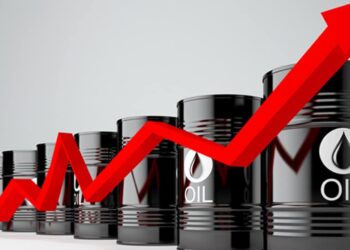
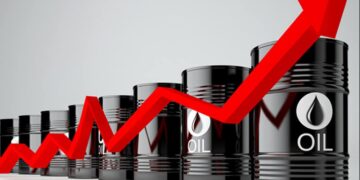
Following Trump’s announcement, US crude prices fell more than 1.5% on expectations of increased Venezuelan supply. PDVSA has been selling its flagship Merey crude at a steep discount—about $22 per barrel below Brent—putting the potential value of the deal at roughly $1.9 billion.It remains unclear whether Venezuela will have access to any proceeds from the sales, as sanctions have frozen PDVSA’s bank accounts and excluded it from the global financial system.**
Talks on Auctions and Licenses
US and Venezuelan officials have discussed possible sales mechanisms, including auctions for US buyers and the issuance of licenses to PDVSA’s partners, according to sources. Past licenses have allowed companies such as Chevron, India’s Reliance, China’s CNPC, and Europe’s Eni and Repsol to receive Venezuelan crude for refining or resale.Some of these firms have already begun preparing to receive Venezuelan cargoes again, sources said. Discussions have also included the potential use of Venezuelan oil in the US Strategic Petroleum Reserve, though Trump did not mention this option.
Production Pressures and Refinery Demand
US Interior Secretary Doug Burgum said increased Venezuelan oil flows to the US Gulf Coast would be “great news” for jobs, fuel prices, and Venezuela’s economy. US Gulf Coast refineries, which can process heavy Venezuelan crude, imported around 500,000 barrels per day before energy sanctions were first imposed.
PDVSA has already been forced to cut production due to storage constraints caused by the export blockade. Without a sustained outlet for exports, further production cuts would be likely, sources said.Oil traders reacted swiftly, with differentials for heavy crude grades in the US Gulf slipping by about 50 cents per barrel on expectations of additional Venezuelan supply.