





















































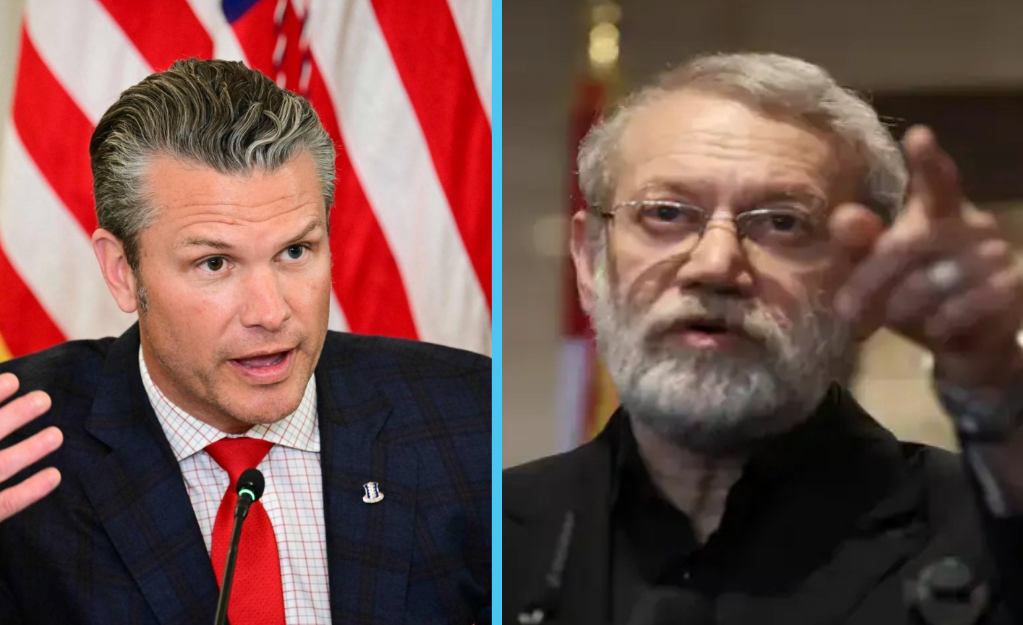
ISLAMABAD (MNN); Tensions between the United States and Iran intensified on Tuesday after Iranian National Security Council Secretary Ali Larijani issued a strong response to warnings by US President Donald Trump regarding the Strait of Hormuz.

In a statement shared on social media platform X, Larijani said the Iranian nation “that loves Ashura is not afraid of empty threats,” signalling Tehran’s defiant stance toward Washington.
He stated that powerful nations in the past had attempted to defeat Iran but failed, adding that threats would not force the Iranian nation to surrender.
Larijani also warned that the United States should consider its own consequences before issuing such statements.
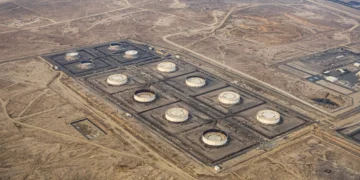
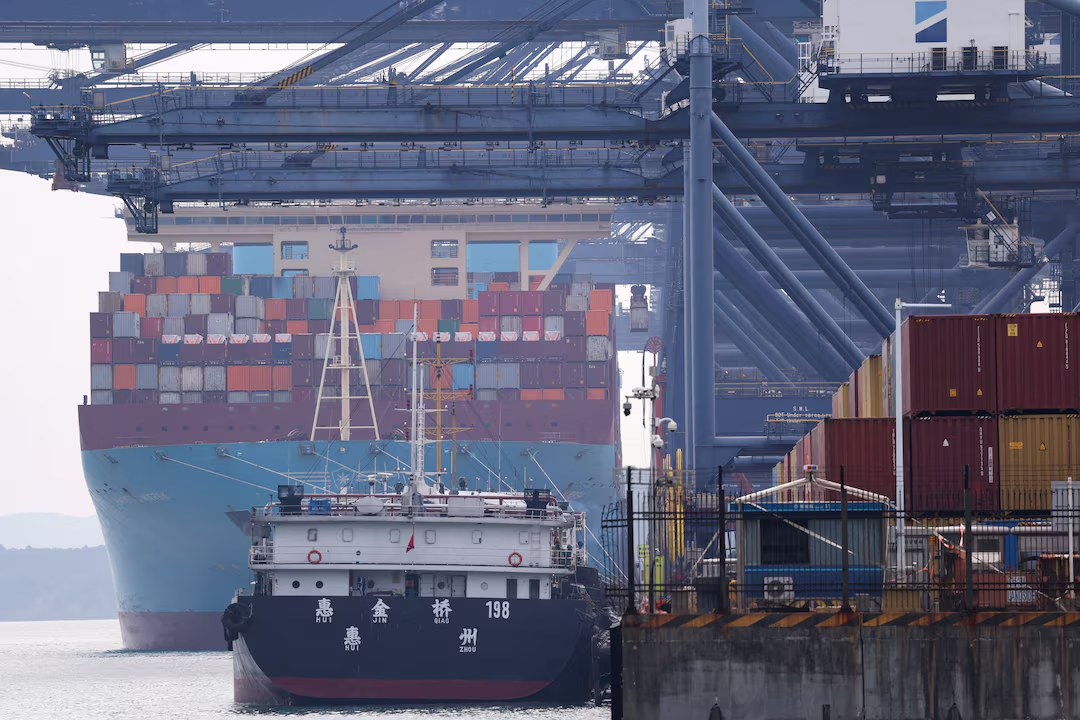
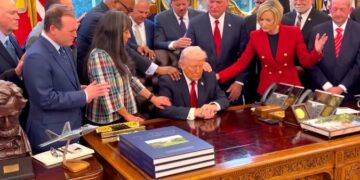
His remarks came after President Donald Trump warned Iran against disrupting global oil shipments through the Strait of Hormuz, one of the world’s most critical energy routes.
Trump said the United States would respond with much stronger military action if Iran interfered with the flow of oil through the strategic waterway.
“If Iran does anything that stops the flow of oil within the Strait of Hormuz, they will be hit by the United States twenty times harder than they have been hit so far,” Trump said.
He also warned that the United States could target locations that are “easily destroyable,” suggesting that such attacks could make it extremely difficult for Iran to rebuild its state infrastructure.
Trump cautioned that such a scenario could bring “death, fire and fury” to Iran but expressed hope that tensions would not escalate to that level.
The US president also pointed out that the uninterrupted flow of oil through the Strait of Hormuz benefits several major importing nations, including China, which rely heavily on the route for energy supplies.
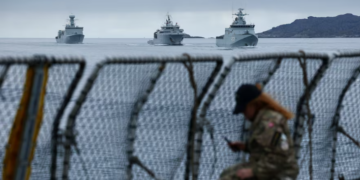
Meanwhile, the conflict in the Middle East continued to intensify as the United States stepped up military operations against Iranian targets.
US Defense Secretary Pete Hegseth said that Tuesday could become the most intense day of American strikes inside Iran since the escalation began.
At the same Pentagon briefing, the chairman of the US Joint Chiefs of Staff stated that Iran’s missile attacks had decreased by around 90 percent.
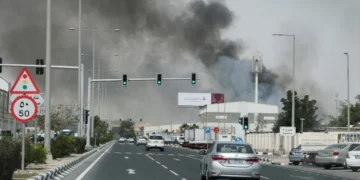
At the same time, Iran launched fresh drone attacks on Israel and several Gulf countries, raising fears of a wider regional conflict.
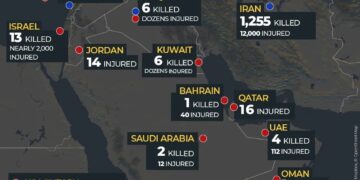
According to the United Arab Emirates’ Defence Ministry, nine drones struck targets inside the country, resulting in two additional deaths.
Authorities in Bahrain reported that an Iranian attack killed one person and injured eight others.
Saudi Arabia said it intercepted and destroyed two drones over its oil-rich eastern region, while Kuwait’s National Guard confirmed that it had shot down six drones.
The latest developments highlight the rapidly escalating confrontation in the Middle East and growing concerns over the stability of global energy supplies.