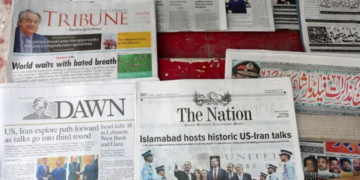
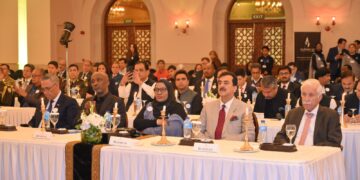
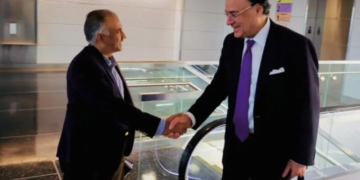
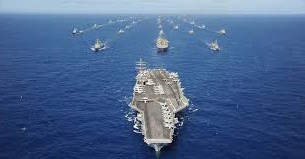
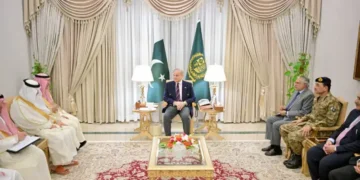






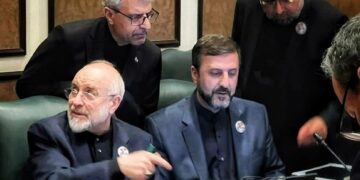
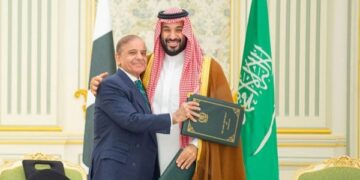
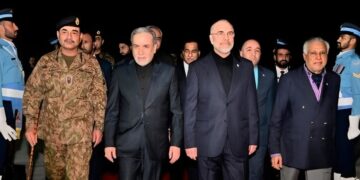
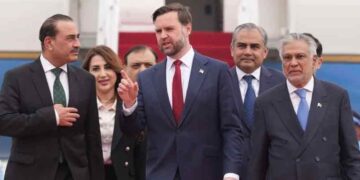
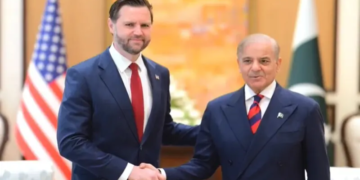
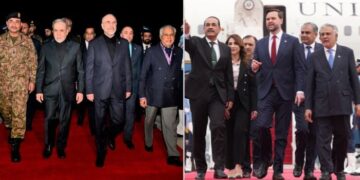
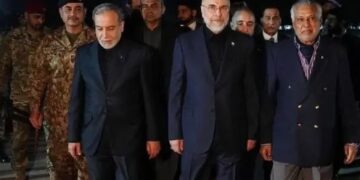

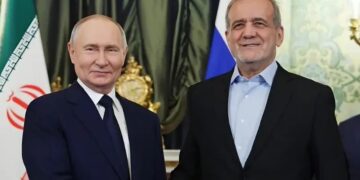
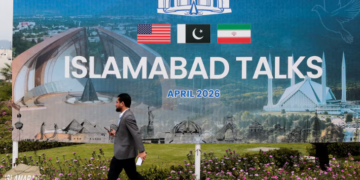


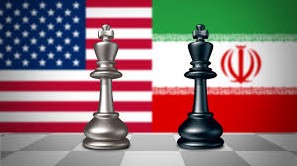

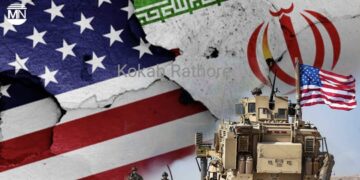























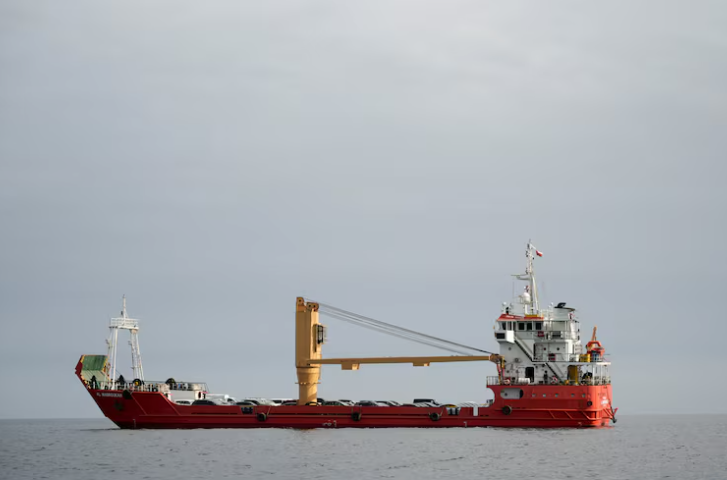
The United States has announced it will begin a naval blockade targeting maritime traffic to and from Iranian ports after recent negotiations failed to produce an agreement to end the ongoing conflict. The decision follows high-level talks held in Islamabad the first direct engagement between the two countries in over a decade which concluded without a breakthrough despite a temporary ceasefire in place.

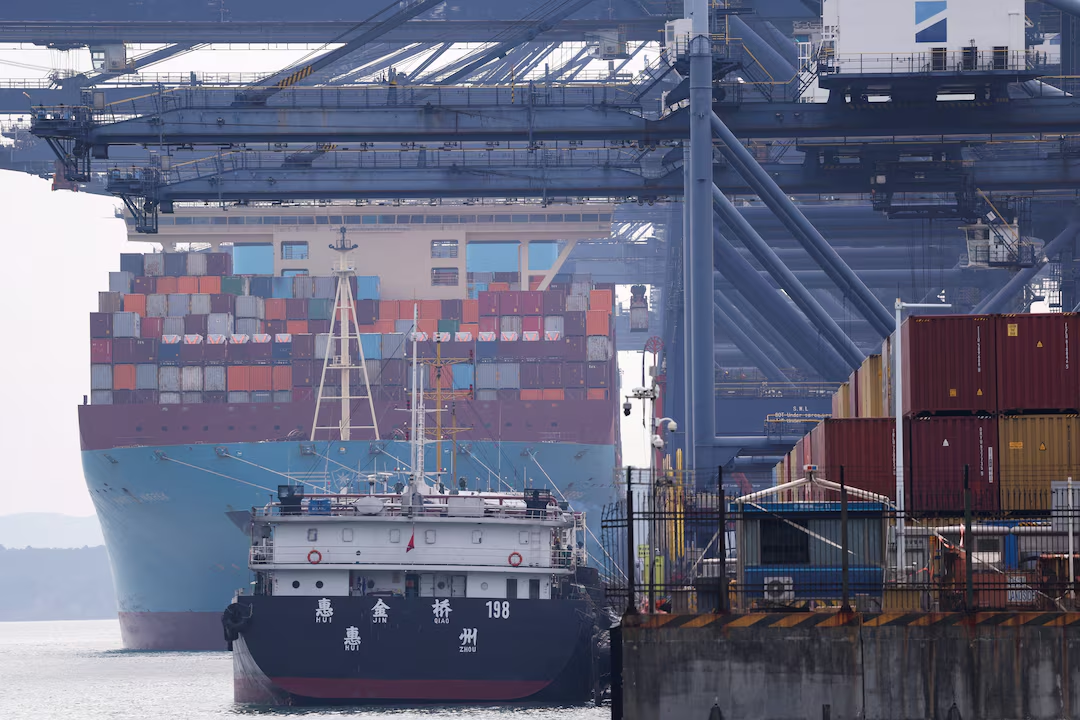
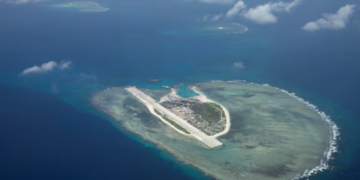
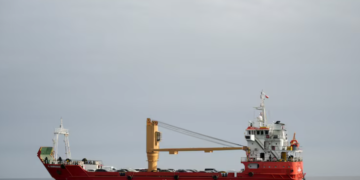
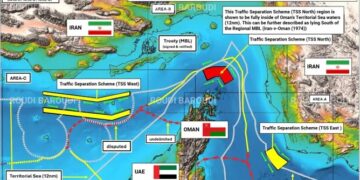
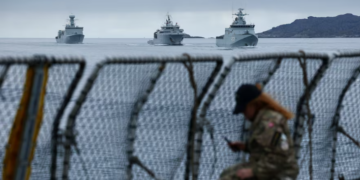
According to U.S. Central Command, the blockade will apply to vessels of all nations entering or leaving Iranian ports across the Arabian Gulf and the Gulf of Oman. However, ships passing through the Strait of Hormuz en route to non-Iranian destinations will not be stopped. Additional maritime guidance is expected to be issued before enforcement begins.
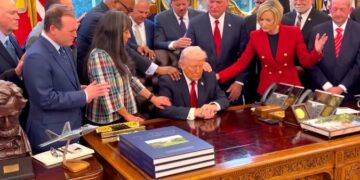
U.S. President Donald Trump also warned that vessels paying tolls to Iran in international waters could be intercepted. He emphasized that the U.S. Navy would act against any threats in the region, stating: “No one who pays an illegal toll will have safe passage on the high seas,” and “Any Iranian who fires at us, or at peaceful vessels, will be BLOWN TO HELL!” He further noted that naval forces would work to remove mines reportedly placed in the strategic waterway.
Markets reacted swiftly to the announcement, with global oil prices rising above $100 per barrel, the U.S. dollar strengthening, and stock futures declining. Analysts have cautioned that enforcing such a blockade could prove difficult and may not be sustainable over time.
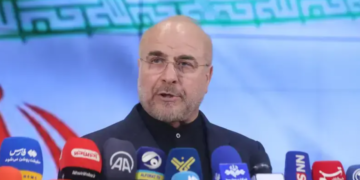
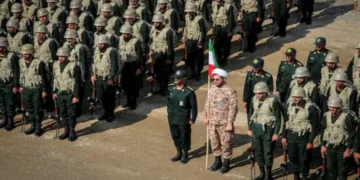
Iran strongly condemned the move, with its Islamic Revolutionary Guards warning that any approaching military vessels would be treated as a violation of the ceasefire and met with a firm response. Iranian officials accused Washington of making excessive demands during the negotiations, including calls to halt uranium enrichment, dismantle nuclear facilities, and cease support for regional groups.
Iranian Foreign Minister Abbas Araqchi said the country had “encountered maximalism, shifting goalposts, and blockade” when just inches away from an “Islamabad MoU.” He added: “Zero lessons learned,” and “Good will begets good will. Enmity begets enmity.”
While both sides acknowledged some progress, major disagreements remain over Iran’s nuclear program and access to the Strait of Hormuz. Iranian leadership has emphasized its willingness to reach a “balanced and fair agreement,” while also stressing that trust in the U.S. remains a significant barrier.
Despite the breakdown, President Trump suggested that further negotiations could still happen, saying he believed Iran might return to talks, though he later expressed indifference about whether discussions resume. Meanwhile, the economic impact of the conflict continues to grow, with rising fuel costs expected to persist and contribute to global inflationary pressure.