































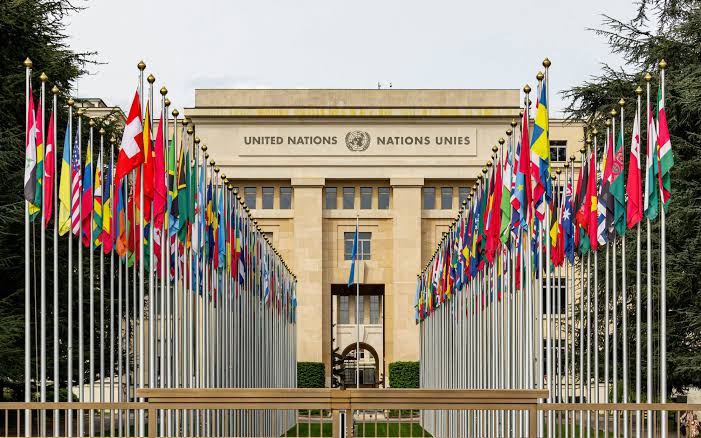
The United Nations has expressed grave concern over India’s military strikes on Pakistani territory carried out on May 7, stating that the actions breach the UN Charter and fundamental principles of international law.

In a report issued by UN special rapporteurs, India’s “Operation Sindoor” was critically examined in the context of the Indo-Pak conflict. The experts strongly objected to India’s unilateral use of force on Pakistani soil, describing it as inconsistent with the UN Charter and a serious violation of Pakistan’s sovereignty.
The report notes that Pakistan categorically denied any involvement in the Pahalgam attack and repeatedly called for an impartial and independent investigation.
Despite this, India proceeded with military strikes without formally informing the UN Security Council, raising further legal and procedural concerns.
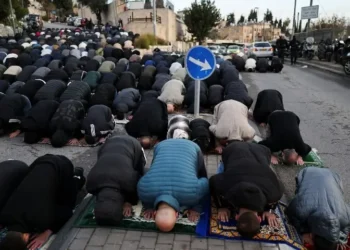
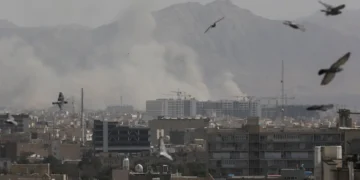
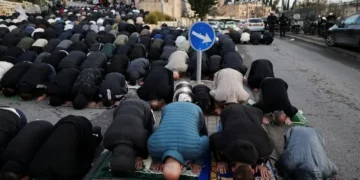
According to the UN experts, the strikes caused damage to civilian infrastructure, including mosques, and resulted in civilian casualties and injuries. They emphasized that the use of force affecting civilians may amount to a violation of the fundamental right to life under international law.
The report also highlights that India failed to present credible evidence linking Pakistan, at the state level, to the Pahalgam incident. The experts stressed that terrorism, regardless of its nature, cannot be used to justify unilateral military action, warning that such illegal use of force significantly heightens the risk of regional escalation.
Referring to Article 51 of the UN Charter, the report acknowledges Pakistan’s right to self-defense if India’s actions are deemed to constitute an armed attack. It underscores that India’s strikes represent a serious breach of Pakistan’s sovereignty and the core principle of non-interference in the affairs of states.
The UN experts also reaffirmed Pakistan’s position on the Indus Waters Treaty, cautioning that any disruption or threat to water flows directly impacts the basic rights of millions of people. They stressed that water cannot be used as political or economic leverage and that no party has the right to unilaterally suspend the treaty.