












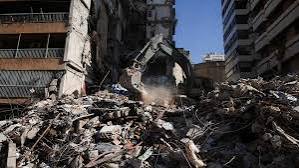


















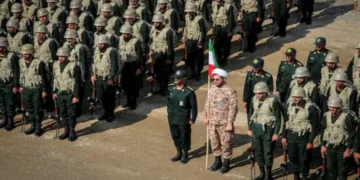









Reuters: A fragile two-week ceasefire between the United States and Iran showed further strain on Friday, a day before scheduled negotiations in Pakistan. Washington accused Tehran of breaching commitments on the Strait of Hormuz, while Israel launched fresh strikes in Lebanon, which Iran says violate the truce.

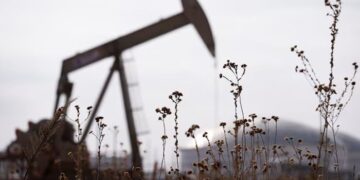
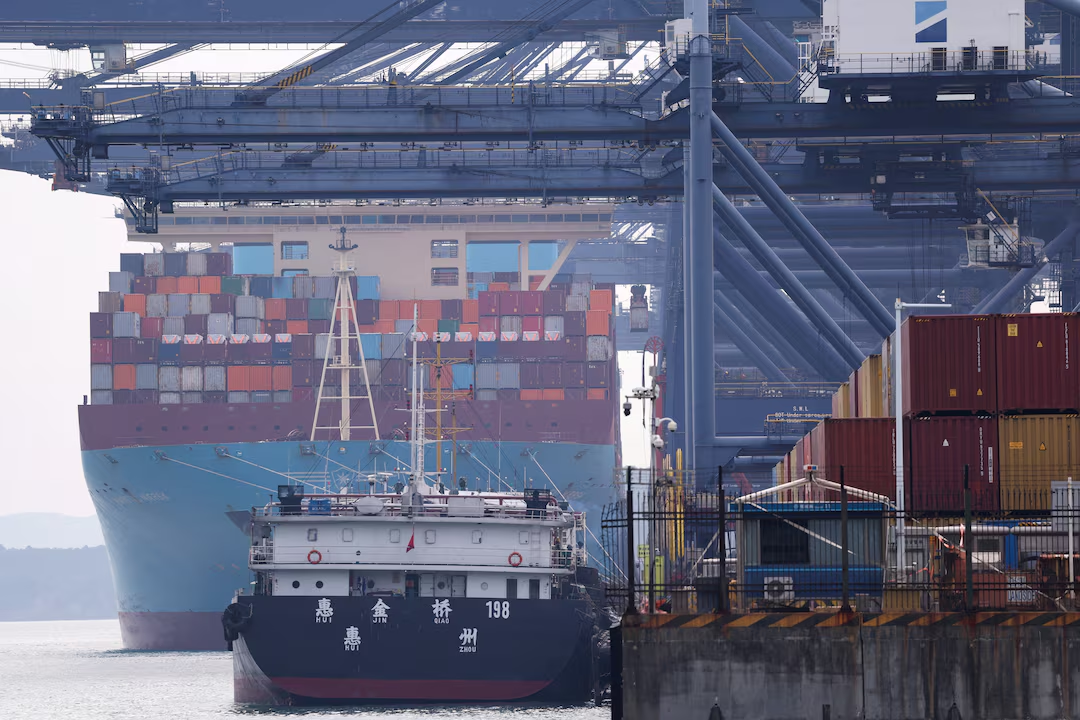
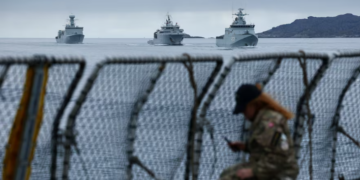
There was no sign Iran was easing its near-total blockade of the strait, a critical route for global energy supplies. Tehran cited Israel’s ongoing attacks in Lebanon as a key reason.
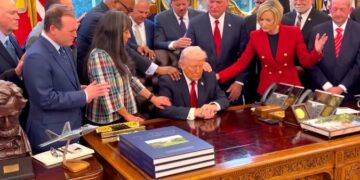
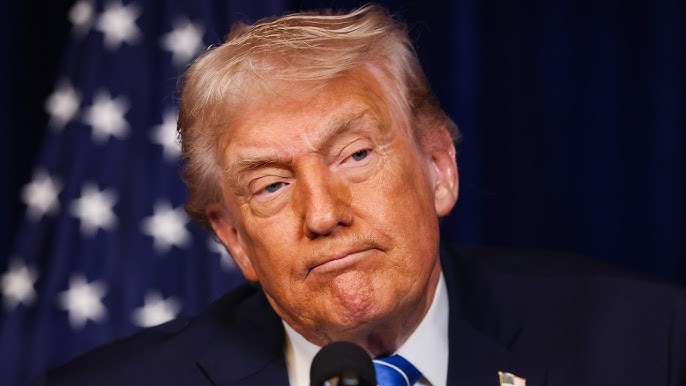
Donald Trump said Iran was doing a “very poor job” of allowing oil to pass through the strait, adding, “That is not the agreement we have.” He also said oil would start flowing again, without specifying how. In the first 24 hours of the ceasefire, only one oil tanker and five dry bulk carriers passed through the strait, compared to around 140 ships daily before the conflict.
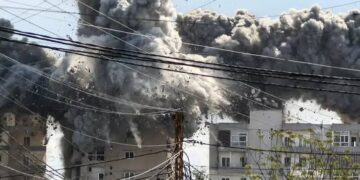
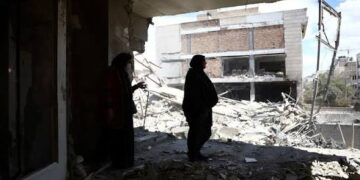
Israel’s military said it struck 10 rocket launchers in Lebanon after missiles were fired toward northern Israel. The Iran-backed group Hezbollah claimed responsibility for targeting Israeli military infrastructure in Haifa. The missile was intercepted.
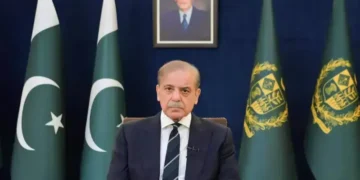
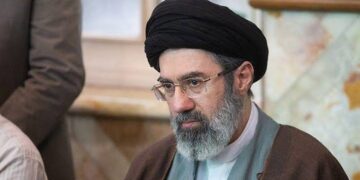
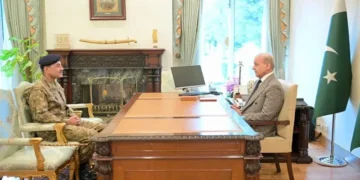
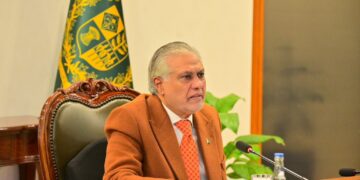
The US and Israel maintain that the ceasefire does not include Lebanon, while Iran and Pakistan — acting as mediator — say Lebanon is part of the agreement. Iran’s Parliament Speaker Mohammad Baqer Qalibaf said Lebanon and Iran’s regional allies are inseparable from any ceasefire. Iran’s Supreme Leader Mojtaba Khamenei said Iran would seek retribution for the war and demand compensation for damages. The two-week truce, mediated by Pakistan, was reached just before a deadline set by Trump, who had warned of potential US attacks on Iranian infrastructure.
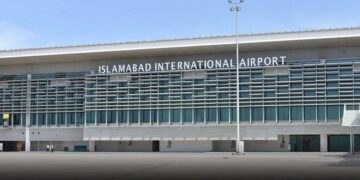
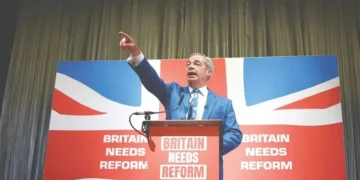
Talks between the US and Iran are scheduled in Pakistan on Saturday, aimed at resolving the conflict that began on February 28. Iran has proposed a 10-point plan that includes maintaining control of the Strait of Hormuz, recognition of its nuclear enrichment rights, lifting sanctions, and ending hostilities, including in Lebanon. Israeli Prime Minister Benjamin Netanyahu said Israel would continue operations against Hezbollah but is open to peace talks with Lebanon focused on disarming the group.
Lebanese officials are pushing for a temporary ceasefire to enable broader negotiations, while the US is expected to host further talks next week. Hezbollah has rejected direct negotiations with Israel, insisting a ceasefire must come first.