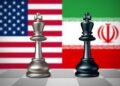

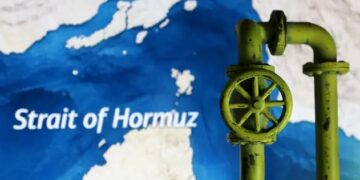





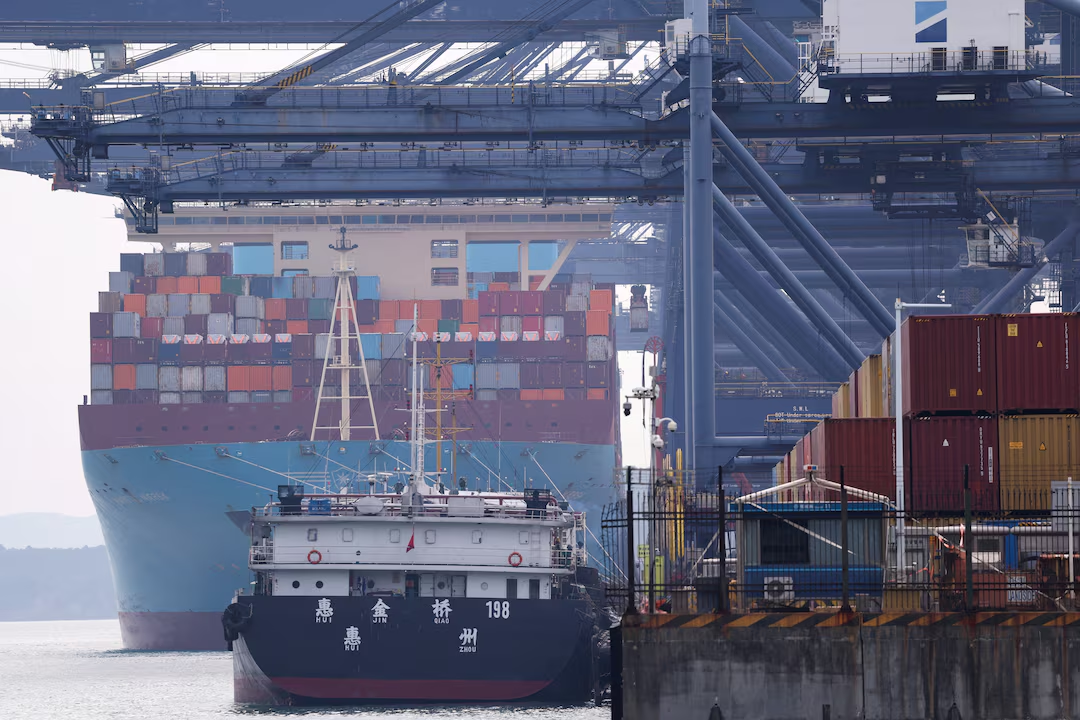


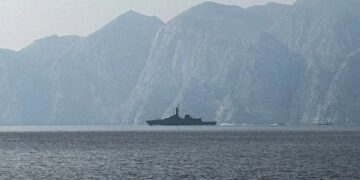
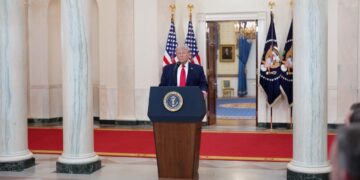

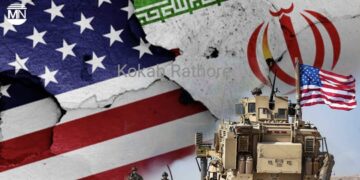

















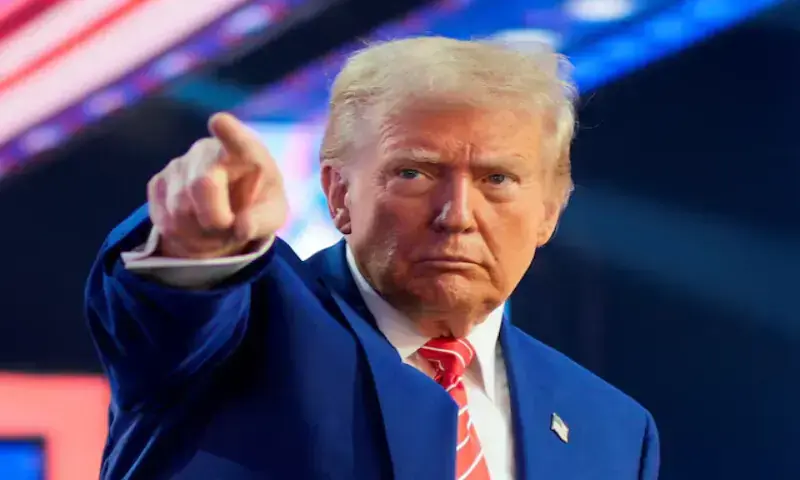
TEHRAN (MNN); US President Donald Trump has warned Iran that it has just 48 hours to reach a deal on opening the strategic Strait of Hormuz or face severe consequences, escalating tensions in an already volatile region.

In a post on his Truth Social platform, Trump said time was running out for Tehran, warning that “all Hell will break loose” if the demand is not met within the deadline. He reiterated his earlier stance, recalling that he had previously given Iran a similar ultimatum to fully open the vital shipping route without threats.
The warning follows a series of shifting deadlines. On March 21, Trump had threatened to “obliterate” Iran’s power infrastructure, including its largest power plants, if Tehran failed to comply. However, he later signaled a softer approach, mentioning “productive conversations” with Iranian officials and temporarily delaying potential strikes. The deadline has since been extended multiple times, now set to expire Monday night.
Experts have cautioned that any attacks targeting civilian energy infrastructure could amount to a war crime, raising concerns over the potential humanitarian impact of further escalation.
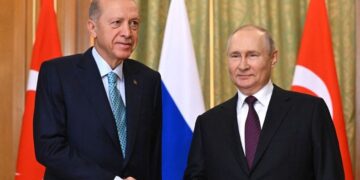
Meanwhile, international diplomatic efforts have intensified to prevent further deterioration of the situation. Turkish President Recep Tayyip Erdogan held talks with NATO Secretary General Mark Rutte, discussing both alliance matters and the broader regional crisis.
According to a statement, Erdogan described the ongoing conflict as a “geostrategic impasse” and urged the international community to step up efforts to end the war. He also highlighted NATO’s support for Türkiye’s air defense, calling it a demonstration of the alliance’s deterrence capability.
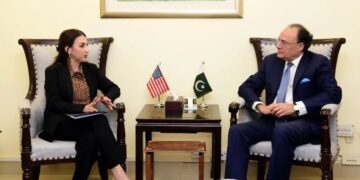
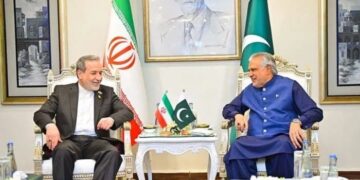
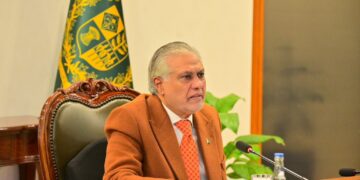
Pakistan has also remained actively engaged in diplomatic outreach. Deputy Prime Minister and Foreign Minister Ishaq Dar held separate telephone conversations with Egyptian Foreign Minister Badr Abdelatty and Bahrain’s Foreign Minister Abdullatif bin Rashid Al Zayani.
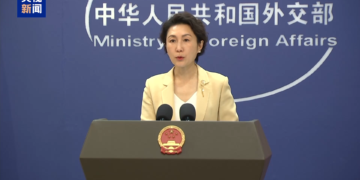
During these discussions, all sides stressed the urgent need for dialogue and de-escalation, agreeing to maintain close coordination amid the rapidly evolving situation. Pakistan also highlighted its joint five-point peace initiative with China aimed at restoring stability in the Middle East and Gulf region.
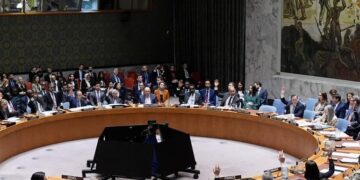
Officials further exchanged views on multilateral peace efforts, including potential engagement at the United Nations Security Council, underscoring the importance of collective action to avoid further escalation.