















































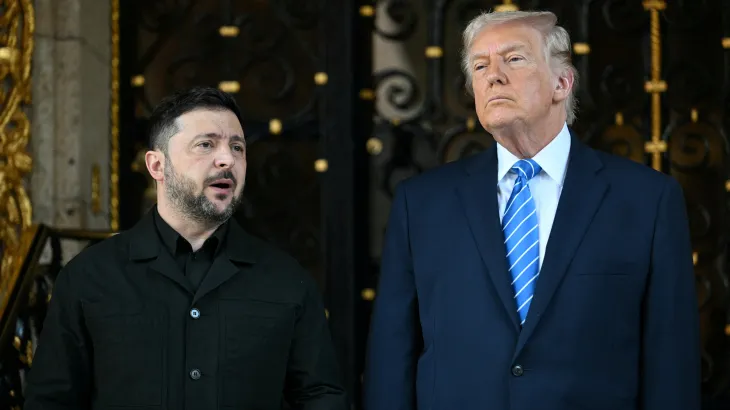
PALM BEACH, FLORIDA (MNN); US President Donald Trump on Sunday said he believed that both Ukrainian President Volodymyr Zelenskyy and Russian President Vladimir Putin genuinely wanted to bring an end to the nearly four-year-long war, as he welcomed the Ukrainian leader to his Mar-a-Lago resort for high-level talks aimed at exploring a possible peace framework.

Speaking to reporters at the outset of the meeting, Trump said that both leaders were interested in stopping the conflict. “The two leaders want it to end,” he said, expressing cautious optimism while acknowledging the immense challenges involved. Trump praised Zelenskyy for his leadership during the war, calling him “very brave” and commending the resilience of the Ukrainian people.
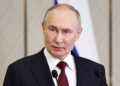
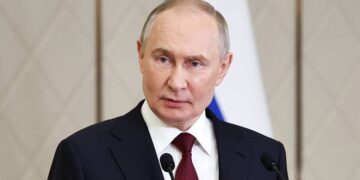
Just before Zelenskyy’s arrival, Trump held a phone conversation with Russian President Vladimir Putin that lasted for more than an hour. According to the Kremlin, the call was initiated by the US side and was described as friendly, constructive and businesslike. Trump indicated that he planned to speak with Putin again soon after his meeting with Zelenskyy and also intended to consult European leaders, whom he described as having played a supportive role in diplomatic efforts.
Standing alongside Trump, President Zelenskyy said the discussions would include sensitive issues such as territorial concessions, which have long been a red line for Ukraine. He noted that negotiators from both sides had already held extensive discussions on how to proceed step by step toward peace and that these efforts would continue during the Florida meeting.
The talks took place against the backdrop of intensified Russian attacks on Ukraine. In the days leading up to the meeting, Russia launched missile and drone strikes on Kyiv, killing at least one person and injuring dozens. Explosions were heard across the Ukrainian capital for hours as air defence systems engaged incoming threats. Despite the escalation, Trump maintained that he believed Putin was serious about ending the war.
Overnight, Russian guided aerial bombs struck residential homes in the eastern city of Sloviansk, killing one man and injuring three others, according to Ukrainian officials. These developments underscored the urgency and complexity of the negotiations underway.
Trump acknowledged that Ukraine had also carried out strong military actions, including strikes inside Russian territory. He said such actions were understandable given the circumstances and did not view them negatively, adding that conflict dynamics often force difficult decisions on all sides.
According to Russian President Putin’s foreign affairs adviser Yuri Ushakov, the Trump-Putin call also touched on the contested Donbas region in eastern Ukraine. Ushakov said that for a complete cessation of hostilities, Kyiv would need to make what he described as a bold and responsible political decision regarding disputed territories. He added that compromise would take time and warned that attempts to reconcile positions could be prolonged.
Trump, however, emphasised that failure to reach an agreement would result in continued bloodshed. “It’ll either end or it’s going to go on for a long time and millions of additional people will be killed,” he warned, stressing the high stakes involved.
The face-to-face meeting between Trump and Zelenskyy highlighted what US officials describe as tangible progress made in recent weeks. Negotiators from both sides have exchanged draft proposals, with Zelenskyy saying a 20-point framework under discussion was about 90 percent complete. US officials echoed this optimism after recent talks in Berlin.
As part of these discussions, the United States has reportedly offered Ukraine security guarantees similar to those enjoyed by NATO members. Zelenskyy has indicated that he would be willing to drop Ukraine’s bid for NATO membership if such guarantees were provided to protect the country from future Russian aggression.
Zelenskyy also held discussions on Christmas Day with US special envoy Steve Witkoff and Jared Kushner, Trump’s son-in-law. He said the talks covered substantive issues but cautioned that sensitive matters remained unresolved and that the coming weeks could prove intensive.
Since returning to the White House, Trump has made ending the war in Ukraine a key foreign policy priority. While he once claimed the conflict could be resolved quickly, he has since acknowledged its complexity and has at times expressed frustration with both Kyiv and Moscow.
Trump previously suggested that fighting should stop along current battle lines, a stance that implied Russia might retain control over territory it has seized. Zelenskyy, however, has said that Ukraine would only consider territorial adjustments if accompanied by Russian withdrawals and the creation of demilitarised zones monitored by international forces.
Russia, for its part, has maintained firm demands. President Putin has insisted that territories captured by Russian forces in four Ukrainian regions, along with Crimea annexed in 2014, be recognised as Russian. He has also demanded limits on Ukraine’s military, rejection of NATO membership and official status for the Russian language. Kyiv has publicly rejected these conditions.
Despite scepticism among analysts and European leaders about Russia’s intentions, Trump said diplomacy was now in its final stages. He expressed confidence that a deal could be reached that would be acceptable to Ukraine and provide strong security guarantees with European involvement.
Ukrainian analysts remain cautious, recalling previous failed ceasefires and peace efforts. They say Kyiv’s immediate goal is a ceasefire as a foundation for broader talks, while acknowledging deep mistrust toward Moscow.
As negotiations continue, the coming weeks are expected to be critical in determining whether diplomacy can finally halt a conflict that has claimed tens of thousands of lives and reshaped global geopolitics.