











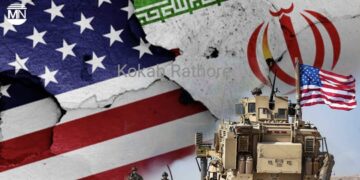













WASHINGTON (MNN); US President Donald Trump has intensified his rhetoric against Iran, warning of widespread destruction of critical infrastructure if Tehran fails to meet a Tuesday deadline to reopen the Strait of Hormuz, as the ongoing conflict in the Middle East continues to escalate.

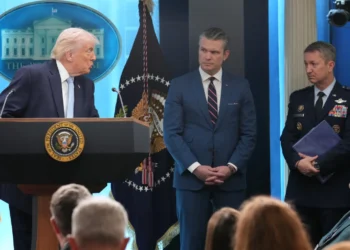
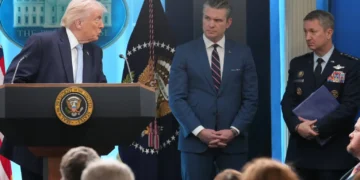
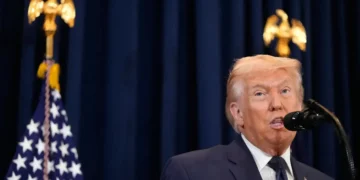
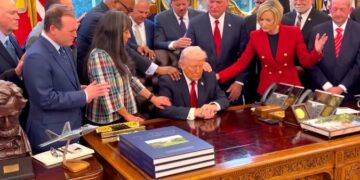
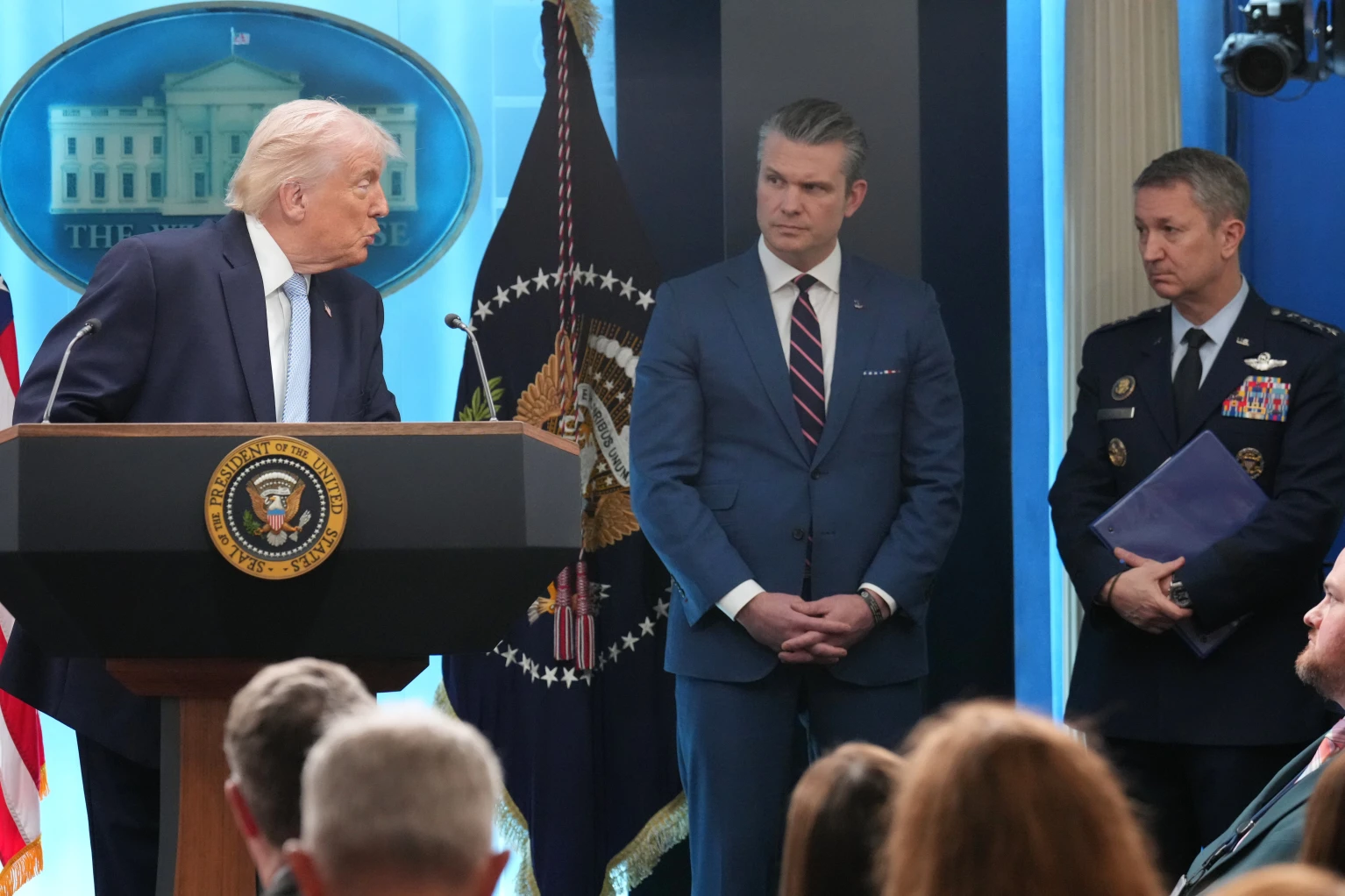
Speaking at a lengthy press conference at the White House, Trump said he was “not at all” concerned about the possibility of committing war crimes while outlining plans to target Iran’s bridges and power plants. He declined to confirm whether civilian infrastructure would be spared in potential US strikes.
“We have a plan where every bridge in Iran could be decimated,” Trump said, adding that power plants would be “burning and destroyed” if no agreement is reached. However, he also remarked that he hoped such action would not be necessary.
The US president criticised both NATO and Pacific allies, including South Korea, Japan and Australia, for not supporting US efforts to reopen the Strait of Hormuz or participating in offensive operations against Iran. He expressed frustration over what he described as a lack of burden-sharing despite the US maintaining military deployments in those regions.
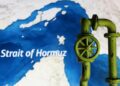
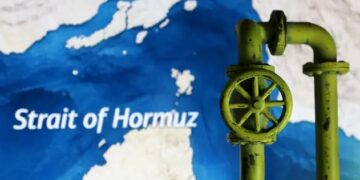
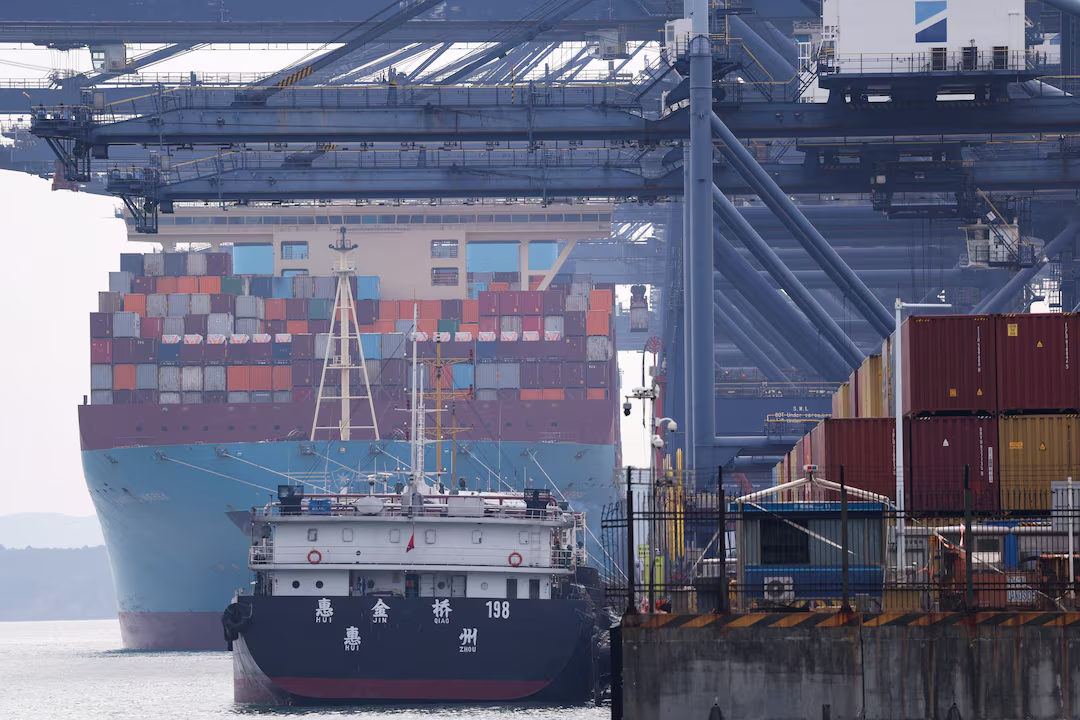
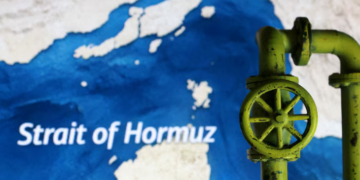
Tensions have sharply risen since Iran restricted movement through the Strait of Hormuz following US-Israeli strikes earlier this year. The strategic waterway handles a significant share of global energy supplies, making it central to the ongoing crisis and global economic stability.
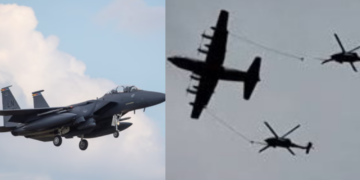
Trump also revealed details of a dramatic search-and-rescue mission after a US F-15 fighter jet was downed in Iran by what he described as a shoulder-fired, heat-seeking missile. The incident triggered a massive military response involving more than 150 aircraft, including bombers, fighter jets, refuelling tankers and rescue units.
According to US officials, one of the pilots managed to evade capture despite being injured, eventually contacting US forces after moving away from the crash site. A second aircraft involved in rescue operations was also hit by enemy fire, but its pilot safely ejected and was later recovered.
Chairman of the Joint Chiefs of Staff General Dan Caine said an A-10 aircraft engaged in intense combat while protecting the downed pilot and maintaining communication. Despite sustaining damage, the pilot continued the mission before safely ejecting in friendly territory.
US Defense Secretary Pete Hegseth described the rescue effort as a continuous 45-hour operation involving constant coordination among national security officials. CIA Director John Ratcliffe said advanced intelligence technologies were used to locate the missing airman, likening the task to “finding a grain of sand in a desert.”
Trump claimed that intercepted communications suggested some Iranian civilians were urging continued US strikes in hopes of achieving freedom, a claim that could not be independently verified.
The president also threatened legal action against a journalist who reported on the downing of the US aircraft, alleging that the leak endangered American personnel. He warned that the reporter could face jail time if sources were not disclosed.
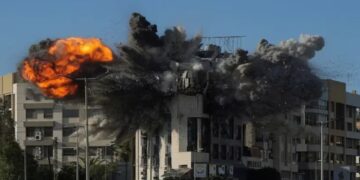
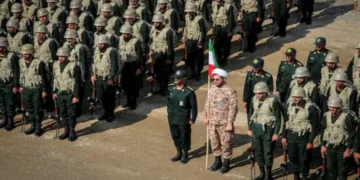
Meanwhile, the regional conflict showed no signs of easing. Iranian state media reported the killing of Revolutionary Guard intelligence chief Maj Gen Majid Khademi, with Israel claiming responsibility. Israeli officials also said strikes targeted Iran’s South Pars petrochemical facilities, while Iran responded with missile attacks on Israel and Gulf Arab states.
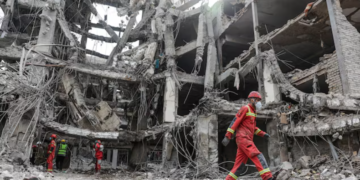
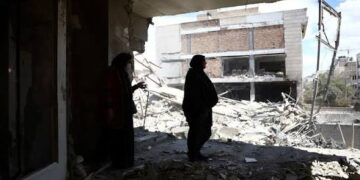
More than 25 people were reportedly killed in fresh US-Israeli strikes on Monday, further intensifying a war that has already caused significant casualties and economic disruption.
The current conflict began with large-scale US-Israeli military strikes on Iran, triggering a broader regional confrontation. Iran responded by restricting access to the Strait of Hormuz, a vital corridor for global oil shipments, significantly impacting energy markets worldwide. The crisis has since evolved into a prolonged and complex conflict involving aerial bombardments, targeted assassinations of key military figures, and disruptions to critical infrastructure.
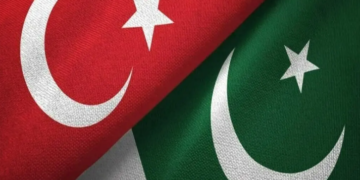
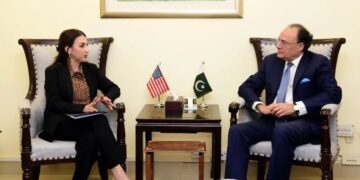
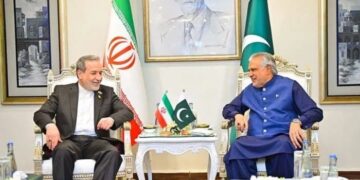
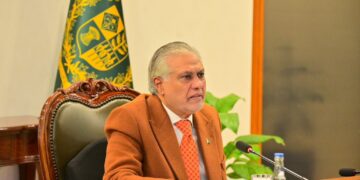
Diplomatic efforts to de-escalate the situation have so far failed. Iran recently rejected a proposed temporary ceasefire, insisting instead on a permanent end to hostilities with guarantees against future attacks. Pakistan has emerged as a key intermediary in relaying messages between Tehran and Washington.
The conflict has also exposed divisions among US allies, with several countries reluctant to engage in direct military operations. Meanwhile, global concerns continue to mount over the risk of further escalation, potential disruptions to energy supplies, and the broader implications for regional and international security.