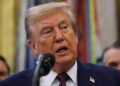








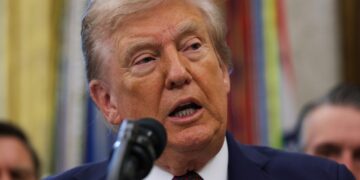





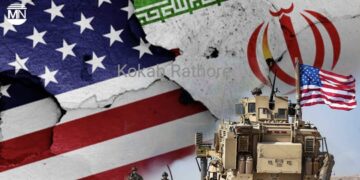

























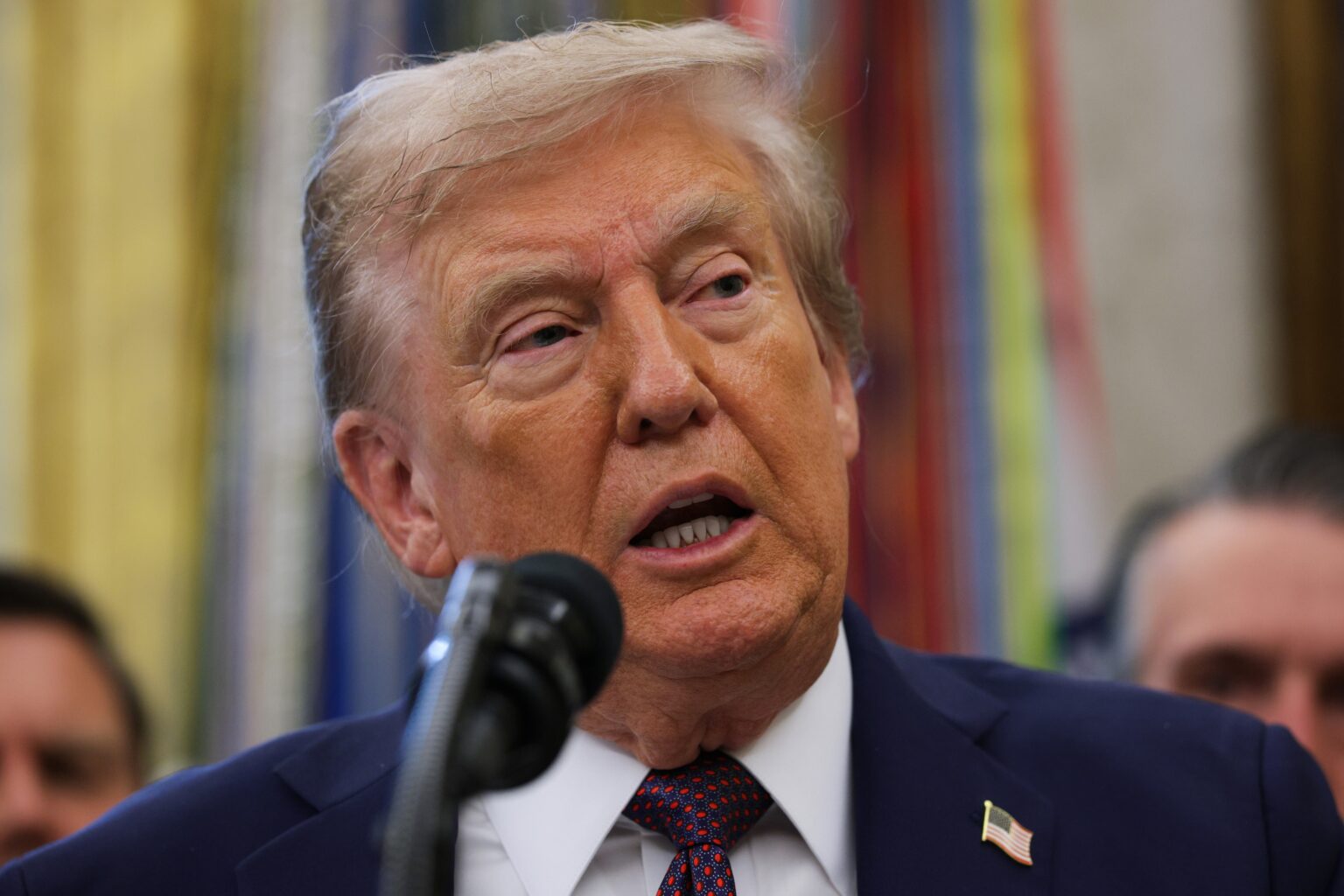
WASHINGTON (MNN); US President Donald Trump said the United States could end its war with Iran without a negotiated settlement, expressing confidence that the conflict is “coming to an end,” though he provided no clear timeline.

Speaking at the White House, Trump claimed progress in the war effort, while also criticising allies for not offering greater support. He urged them to “go get your own oil” as global energy markets remain under pressure following Iran’s continued closure of the Strait of Hormuz.
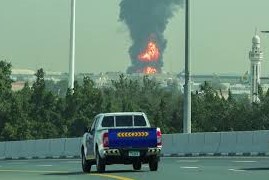
The conflict has intensified, with US strikes targeting Iran’s Isfahan, including the Mobarakeh Steel plant, and Tehran retaliating by attacking a Kuwaiti oil tanker in the Persian Gulf. The war, now in its fifth week, has resulted in over 3,000 deaths and significant disruption to global oil and gas supplies, pushing Brent crude prices to around $107 per barrel.
Israeli Prime Minister Benjamin Netanyahu said Iran’s regional allies no longer pose an existential threat, though he acknowledged Tehran’s continued capability to launch missiles and drones.
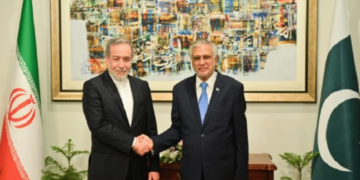
Diplomatic efforts remain uncertain. Pope Pope Leo XIV urged Trump to seek an “off-ramp” to end the conflict, while Iran’s foreign minister stated there is “zero trust” in the US and little hope for successful negotiations.
The war has expanded across the region. Israeli strikes in southern Lebanon killed several people, while Hezbollah claimed rocket attacks on Israeli positions. Tensions also rose in the Gulf, with drone and missile incidents reported near Dubai, Bahrain, and Saudi Arabia.
Trump also criticised allies such as the United Kingdom and France for not joining the war, while Spain and Italy placed restrictions on US military operations.
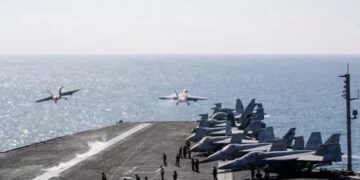
Meanwhile, the US has expanded its military presence, deploying the aircraft carrier USS George H. W. Bush to the region, alongside USS Abraham Lincoln, while USS Gerald R. Ford remains under repair.
US Defense Secretary Pete Hegseth said Washington aims to avoid further escalation but did not rule out additional military steps.
Casualties continue to mount, with over 1,900 reported dead in Iran, dozens in Israel and Gulf countries, and more than 1,200 in Lebanon, alongside widespread displacement and destruction.
US President Donald Trump on Tuesday voiced frustration with key allies, urging them to “go get your own oil” amid escalating conflict with Iran and rising global energy prices following the closure of the Strait of Hormuz.
The remarks came after intensified military exchanges, including US strikes on the Iranian city of Isfahan and an Iranian attack on a Kuwaiti oil tanker in the Persian Gulf. The ongoing conflict, now over a month old, has resulted in more than 3,000 deaths and significant disruptions to global oil and gas supplies.
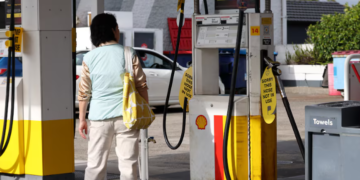
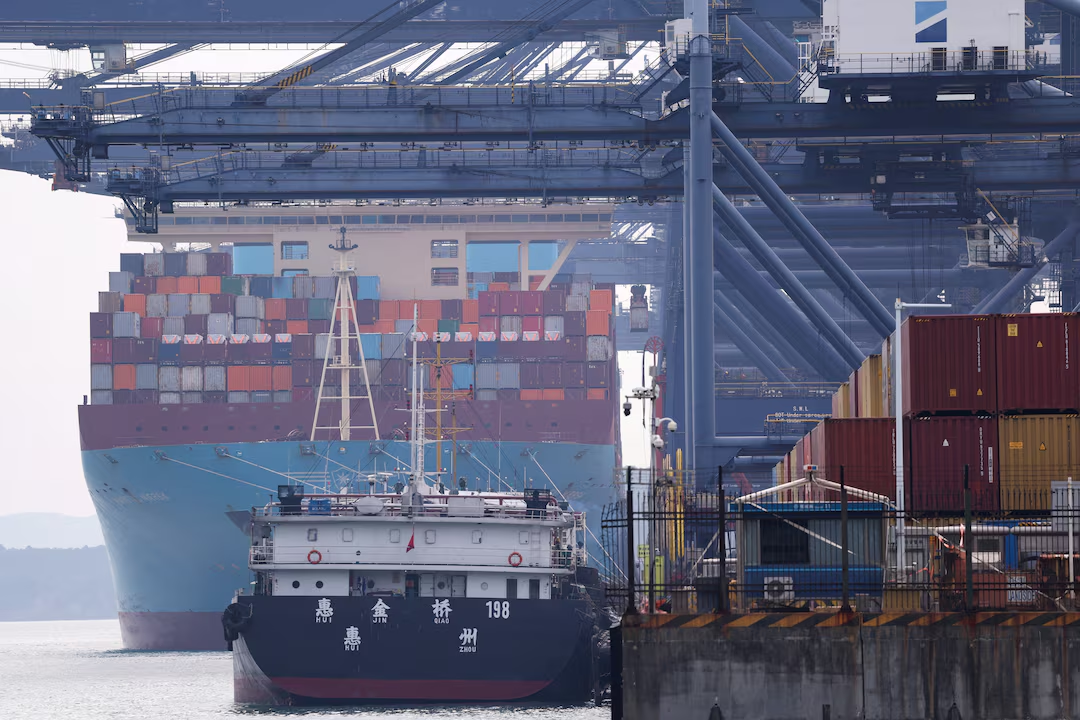
The closure of the Strait of Hormuz — a key route for nearly a fifth of global oil shipments — has driven crude prices sharply higher, with Brent crude reaching around $107 per barrel, a rise of over 45 percent since late February.
Trump criticised allies such as the United Kingdom and France for not offering stronger military support, stating that countries unwilling to participate should not rely on US protection.
Tensions have also emerged within Europe. France limited the use of its territory for military operations, while Spain closed its airspace to US aircraft involved in the conflict. Italy reportedly declined the use of a key air base, although officials later clarified that cooperation continues.
Meanwhile, the US has increased its military presence in the region. The aircraft carrier USS George H. W. Bush has been deployed, joining the USS Abraham Lincoln, while the USS Gerald R. Ford remains under repair.
Trump warned that if a ceasefire is not reached soon and the Strait of Hormuz is not reopened, the US could expand its military campaign, potentially targeting key Iranian oil and infrastructure sites.
US Defense Secretary Pete Hegseth said Washington aims to limit further military escalation but did not rule out additional actions.
The conflict has spread across the region, with Israeli strikes reported in Beirut and continued hostilities involving Hezbollah. Drone and missile attacks have also impacted Gulf countries, including incidents near Dubai and missile interceptions in Saudi Arabia.
Casualty figures continue to rise, with thousands killed in Iran, Israel, Lebanon, and across the region, alongside widespread displacement and infrastructure damage.