























(CNN, News): Hundreds of millions of dollars’ worth of copper, 22,000 tons, was dug out of this mine in Pakistan last year. Pakistan says it has more waiting to be dug up, and US President Donald Trump is interested. Hundreds of millions of dollars’ worth of …US-made M-16s, M-4s, M249 machine guns are falling into the hands of militants.

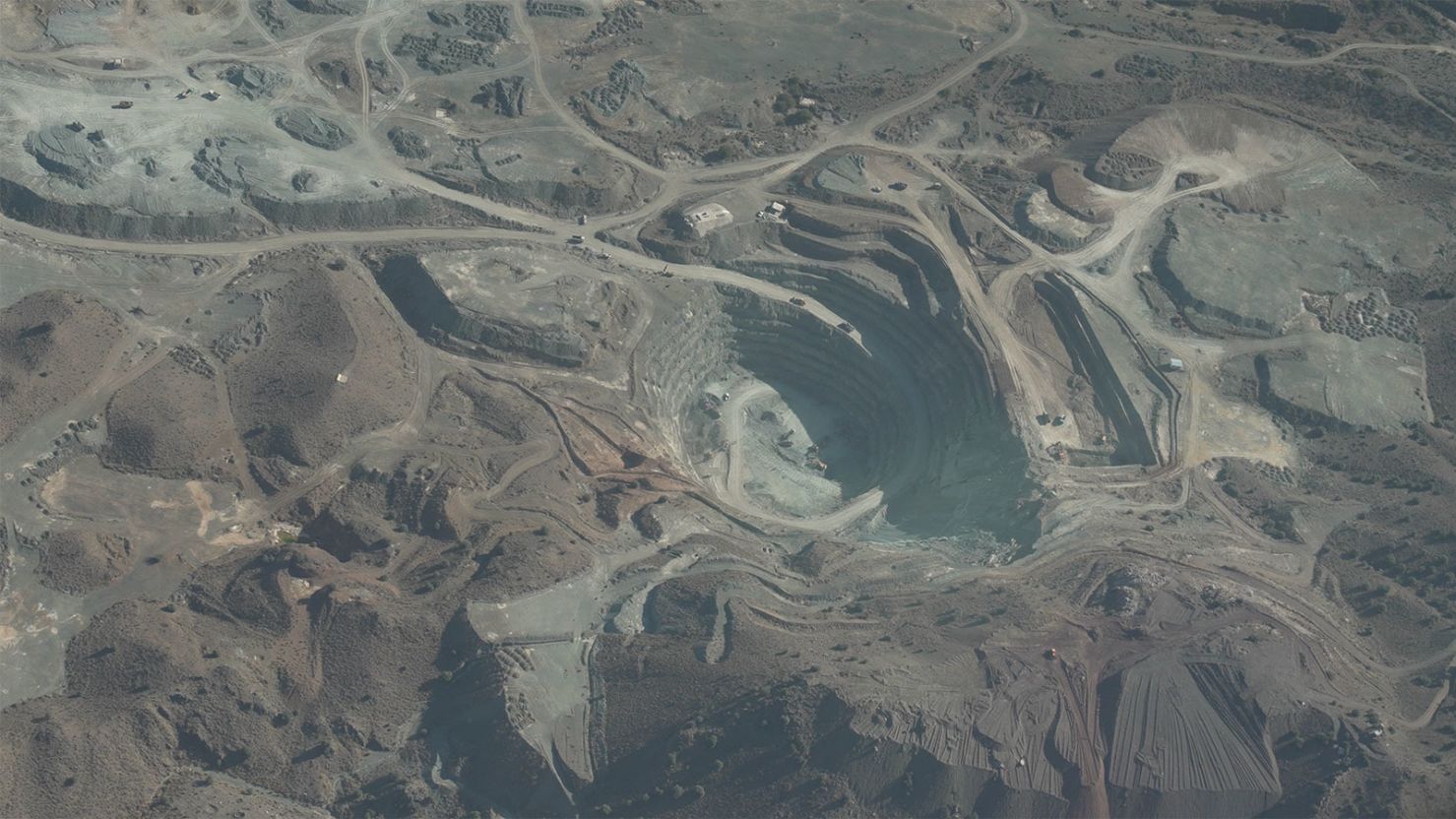
In the sienna-colored curves of Pakistan’s Hindu Kush mountains, one of the most rugged and lawless regions in the world, a cavernous, grooved crater gouged out from a hillside shines in the winter sun, just ten miles from the border with Afghanistan.
Hundreds of millions of dollars’ worth of copper, 22,000 tons, was last year dug out of this crater –– the Muhammad Khel Copper Mine –– and hauled off to China; a nation with a seemingly insatiable appetite for metals and minerals.In a neighboring province lies another copper mine that Pakistan says can yield almost ten times as much, equivalent to a fifth of the copper America uses every year.
The prospect is so appealing to a Washington administration also hungry for resources that it has put up more than a billion dollars to get things moving. Pakistan says there is much more wealth beneath its soil –– an estimated $8 trillion in copper, lithium, cobalt, gold, antimony and other critical minerals.
And that claim has oiled an unlikely friendship with US President Donald Trump, who has put mineral acquisition at the heart of US foreign policy. But the treasure Pakistan claims to be sitting on is located in border areas wracked by decades-long jihadist insurgencies, that have grown more widespread and deadly since the chaotic US withdrawal from Afghanistan in 2021 left behind a cornucopia of hastily abandoned weaponry.
On an exclusive trip to some of Pakistan’s most dangerous areas, a CNN team was shown hundreds of US-made rifles, machine guns and sniper rifles –– all leftovers from Washington’s war next door, and all seized from a new breed of jihadists and insurgents.
Around 50 miles from the Muhammad Khel Copper Mine near the western town of Wana, outside a military cadet college building recently hit by a Pakistani Taliban suicide attack, a colonel laid out a blood-soaked bandana and three M-16 rifles recovered from the militants. Written on the bandana, in Urdu and English, were slogans indicating the wearer’s readiness for martyrdom. And stamped on the rifles were the words: “Property of US Govt. Manufactured in Columbia, South Carolina.”The high-tech arsenal left behind by America is now turbocharging insurgencies in the border region, and its complicating efforts by the US and Pakistan to exploit its vast mineral riches.
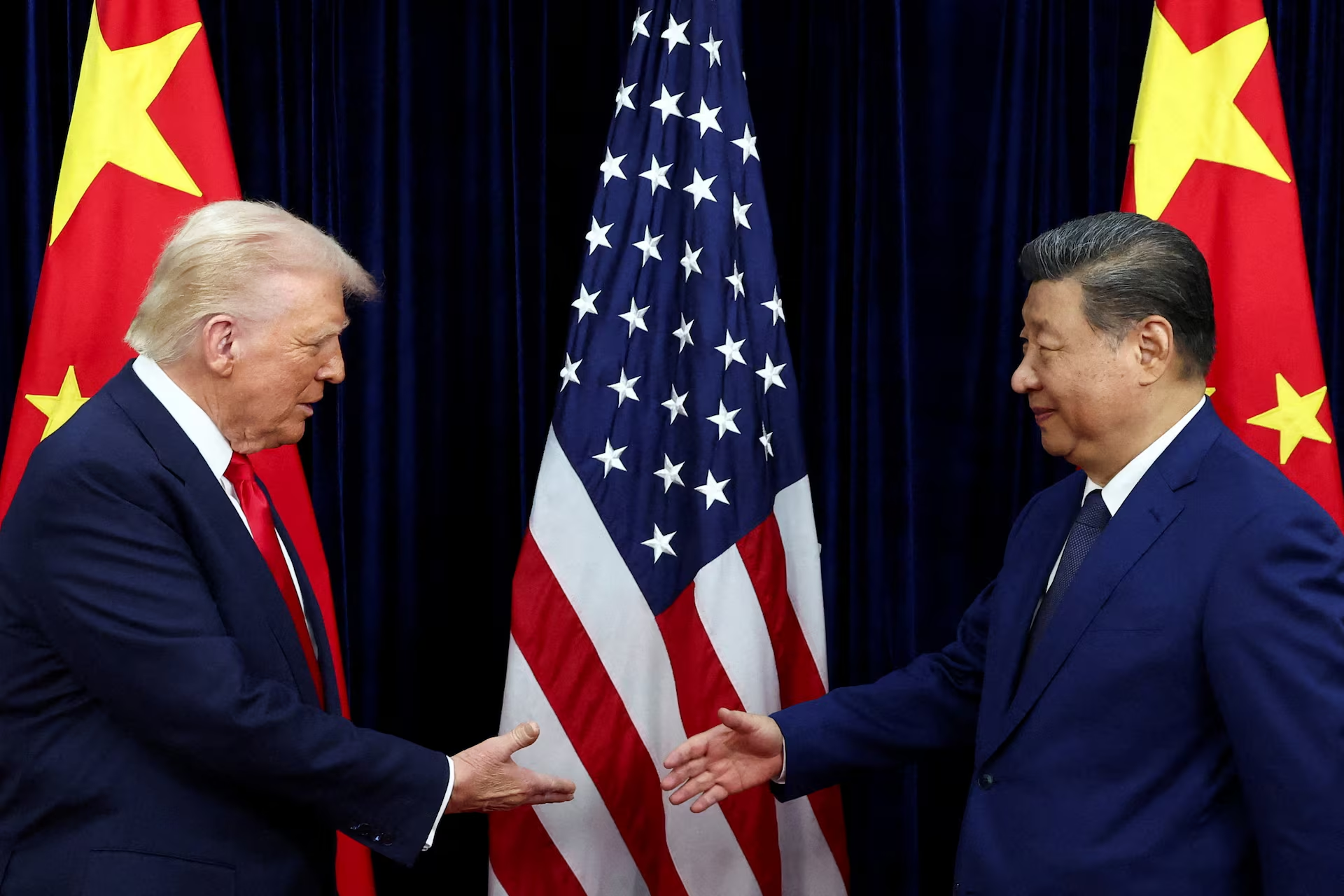
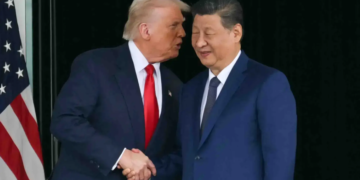
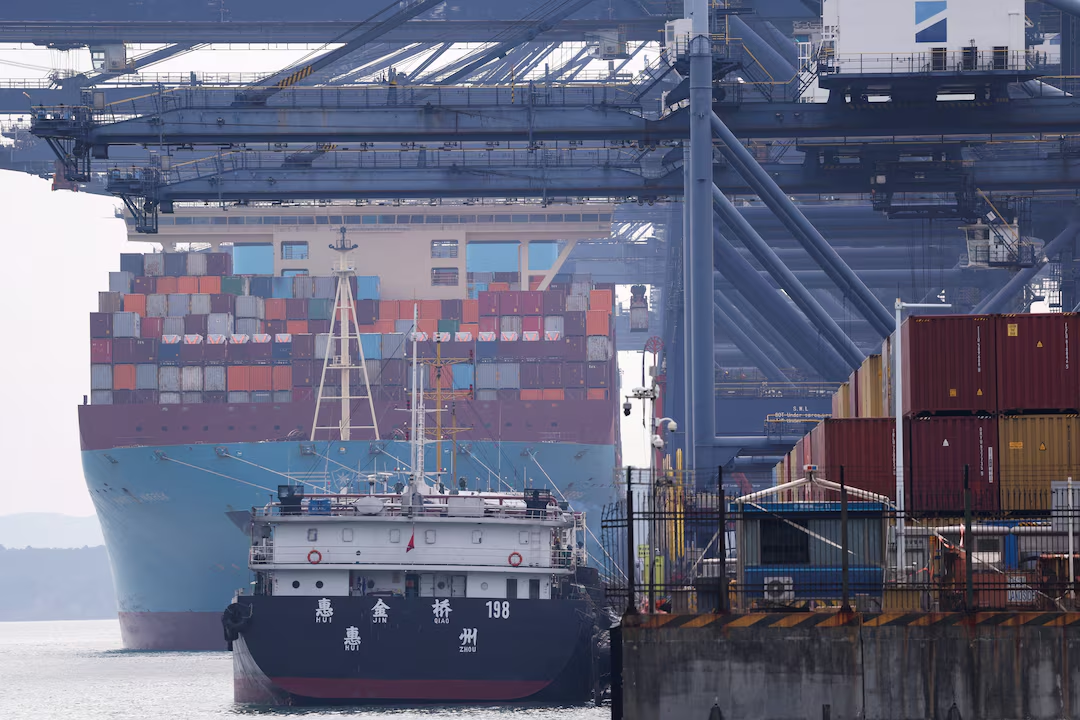
More than 90% of the global output of refined rare earths, which are used to power everything from iPhones to electric vehicles, is controlled by China. That near-monopoly on rare earths, and their processing, has become Beijing’s most potent tools in its trade war with the US, and Trump has set about trying to break it. In his first year in office the US president signed agreements with Australia, Cambodia and Thailand to future-proof US access to the critical minerals. And he promised to secure “more than you’ll know what to do with.”Reading the room, Pakistan’s prime minister Shehbaz Sharif and Field Marshal Asim Munir took an unusual prop on their first joint visit to the White House in September –– a chest containing a trove of rare earths they said had been dug from Pakistan’s soil. Trump was charmed.
The following month he praised Munir in public –– naming him: “My favorite field marshal.”Pakistan also piqued his interest by touting vast reserves of another metal: copper –– needed for the cables that transmit electricity to homes, the semiconductors behind AI development and other tech across the defense industry.
A “copper rush” is underway as the world digitizes and electrifies, say experts, with global demand expected to increase from 30 million tons a year, currently, to 50 million tons by 2050.“Copper will fuel every part of our modern economy, and we’re at a structural shortage,” said Dr.
Gracelin Baskaran, the director of the Critical Minerals Security Program at the Center for Strategic and International Studies.And that shortage makes the US less competitive for the processing of rare earth minerals, she said.
The Muhammad Khel Copper Mine seen from the air Javed Iqbal. In December, the top US diplomat in Pakistan announced that the US Export-Import Bank (EXIM) had approved $1.25 billion in financing to support the mining of critical minerals at Reko Diq in the southwestern Balochistan province. That site is home to the world’s largest undeveloped copper reserves, according to Canadian firm Barrick, which is leading efforts to develop it.
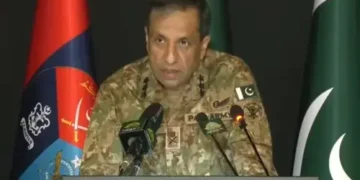
Many in Pakistan –– a country with an economy that has lurched from crisis to crisis, receiving 24 bailouts from the International Monetary Fund since 1958 –– are hoping a cash bonanza can be dug upThe United States “has lot to offer for the people and stability and prosperity of Pakistan,” Pakistan’s military spokesperson, Lt General Ahmed Sharif Choudhry told CNN.
The flurry of activity since Trump came to power has been noticed in Beijing, where officials insist their longstanding allies in Islamabad have given reassurances their business with America will not harm China’s interests. Precious metals may be at the center of a great geopolitical struggle, but getting to them in Pakistan involves a bloody local battle.In a brightly-lit, specially-designated hospital wing in Pakistan’s northwestern city of Peshawar dozens of wounded young men lie under scarlet blankets.
Medical machinery beeps, carers murmur softly. From another ward not too far away, the piercing screams of a patient are audible. In the quiet sits 30-year-old Allah Uddin, whose legs were badly wounded a week before CNN met him, when Pakistani Taliban militants ambushed the convoy he was guarding in the same district as the Muhammad Khel Copper Mine. It was his first experience of combat. Now, he is a double amputee with three children and a family to care for. Describing the encounter in a quiet voice, he says what struck him was how good the guns his enemies had seemed to be.“I don’t know where they were from but the weapons that they had… were different and better.”