















































TAIPEI, (Reuters): Taiwan’s parliament on Friday authorised the government to sign four United States arms sale agreements worth about $9 billion after officials warned that missing the deadline could push Taiwan to the back of the weapons production queue and send the wrong message to Washington.

The decision follows ongoing political disagreements over defence spending. Taiwan’s government has proposed around $40 billion in additional defence spending, but opposition parties controlling the most seats in parliament have delayed approval, saying the proposals lack clarity and should not be passed as “blank cheques”. Parliament Speaker Han Kuo-yu announced the resolution, saying the legislature supports prioritising national security and protecting territorial integrity. He also asked the government to submit a full report on the weapons delivery schedule after signing the agreements.
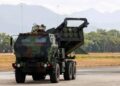
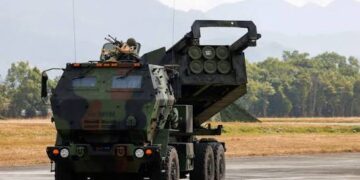
The arms packages include TOW anti-tank missiles, M109A7 self-propelled howitzers, Javelin missiles made by Lockheed Martin, and the HIMARS multiple launch rocket system. The total value is around $9 billion and is part of an $11 billion package announced by Washington in December. Taiwan’s defence ministry had warned that the letters of offer and acceptance for the weapons must be signed by Sunday to secure production and delivery timelines with the United States. Without timely approval, Taiwan risked losing its position in the manufacturing queue.
Parliament’s authorisation came after lawmakers from both the ruling and opposition parties agreed that the government could sign the deals in advance even if the full budget review had not been completed. The defence ministry welcomed the decision and rejected opposition claims that the plans lacked transparency, saying the projects were developed through a rigorous approval process to meet military requirements.
Ruling party lawmakers also supported the move. Wang Ting-yu, a lawmaker from the Democratic Progressive Party and member of parliament’s defence committee, said the advance authorisation was necessary to prevent delays or cancellation of Taiwan’s acquisition of key defence systems. Defence Minister Wellington Koo said earlier that the letters of offer and acceptance for 82 HIMARS systems would expire on March 26 if not signed.
Sources also told Reuters that a second arms package worth about $14 billion could be approved after U.S. President Donald Trump visits Beijing later this month. The United States remains Taiwan’s most important international supporter and primary arms supplier despite the absence of formal diplomatic relations.
The Trump administration has also urged allies to increase defence spending as China continues military drills around Taiwan to reinforce its sovereignty claims. Taiwan rejects Beijing’s claims and maintains that only the people of the island have the right to decide their future.