










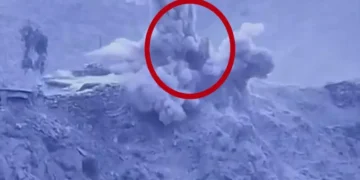














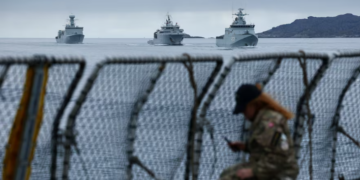












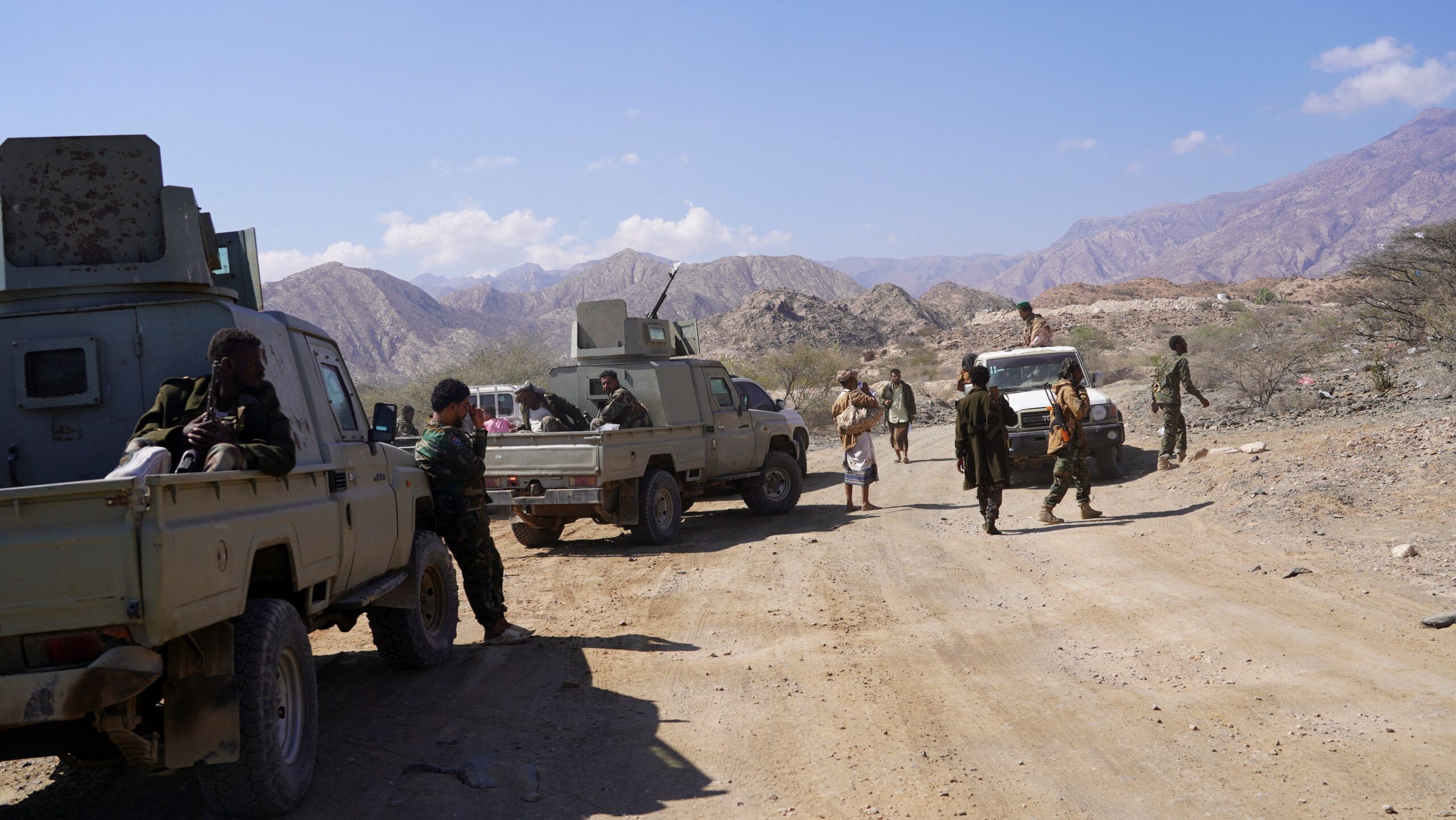
(Reuters): Saudi Arabia has emphasized that its national security is a “red line” it will defend, following a coalition strike on vehicles and cargo in Yemen allegedly supplied by a foreign power to southern separatists. The Saudi-led coalition carried out a “limited military operation” at Mukalla port after warning the Southern Transitional Council (STC) against taking military action in Hadramout province.

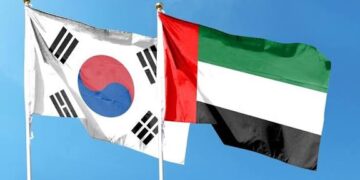
Yemen’s Saudi-backed presidential council identified the United Arab Emirates as the source of the assistance targeted in the strike. In a statement on Tuesday, the Saudi Ministry of Foreign Affairs expressed hope that the UAE would take steps to maintain bilateral relations with Gulf nations.
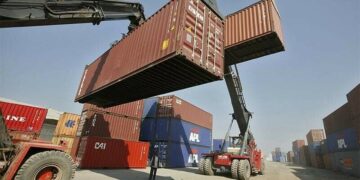
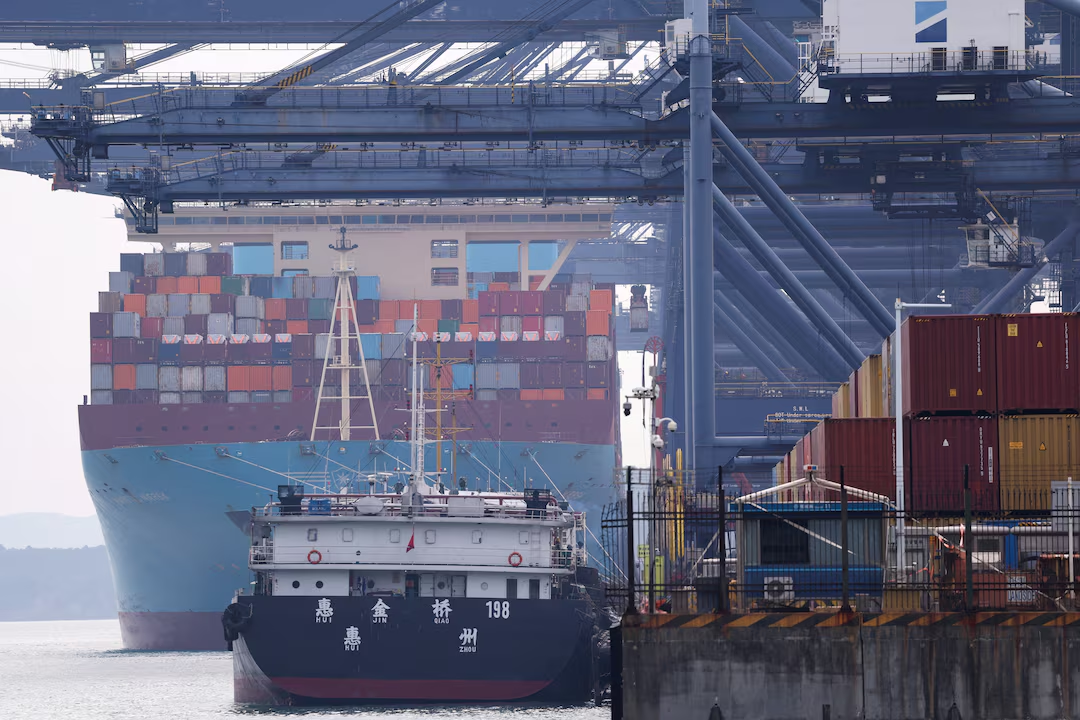
Coalition spokesperson Turki al-Malki said two ships entered Mukalla port over the weekend without authorization, disabled their tracking systems, and unloaded large quantities of weapons and combat vehicles “to support” the STC.
Following the airstrike, Rashad al-Alimi, head of Yemen’s presidential council, demanded the withdrawal of all UAE forces within 24 hours. He framed the move as a sovereign necessity, praised Saudi Arabia and the coalition for their support, canceled the joint defense agreement with the UAE, imposed a 72-hour air, land, and sea blockade, and declared a 90-day state of emergency.
The Saudi Press Agency (SPA) reported that the coalition targeted the dock where the cargo had been unloaded. Officials emphasized there were no casualties or collateral damage, and that the operation complied with international humanitarian law. The strike follows rising tensions after a recent STC offensive against Yemeni government troops backed by the coalition.
Saudi Defence Minister Khalid bin Salman Al Saud urged STC forces to “peacefully hand over” two regional governorates to the government, while U.S. Secretary of State Marco Rubio called for restraint and diplomacy to achieve a lasting solution.The UAE initially joined the Saudi-led coalition in 2015 to counter Houthi control in Sanaa, but relations between the two countries have grown increasingly complex.
Sultan Barakat, professor of public policy at Hamad Bin Khalifa University, noted that the UAE has increasingly pursued independent foreign policy decisions in Yemen, which strengthened the STC’s position. The STC, once part of the Saudi-led coalition, later sought self-rule in southern Yemen and has controlled southern territories under a Saudi-backed power-sharing arrangement since 2022. In recent weeks, the group has expanded its control, expelling government forces and their allies from multiple areas.